
In the United States, it is common to find food delivery businesses making an average of $40,000 to $250,000 yearly, depending on their size, location, and operating model.
Available data shows that solo owner-operators using third-party apps often earn on the lower end, while established local delivery brands, ghost kitchens, or multi-vehicle operators can generate significantly higher annual revenue.
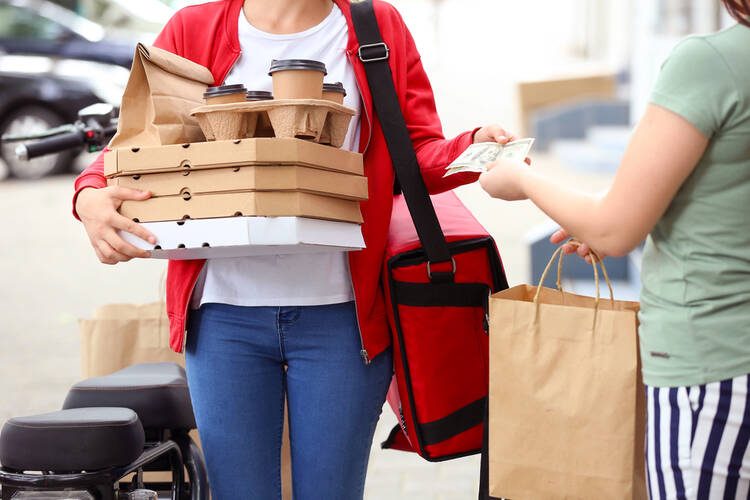
Businesses that combine in-house delivery with app partnerships also tend to see stronger earnings due to wider customer reach and repeat orders.
The amount you are expected to make from a food delivery business is not set on stone because several factors influence earning potential, including service area, pricing strategy, delivery volume, operating costs, marketing efforts, and partnerships with restaurants or platforms.
Other key factors include labor efficiency, fuel costs, customer retention, and the ability to scale operations over time.

Factors That Influence the Income of a Food Delivery Business
-
Location and Service Area
Urban and densely populated areas tend to generate higher order volumes due to larger customer bases, busy lifestyles, and greater demand for convenience.
Cities with strong restaurant cultures, universities, office hubs, and nightlife typically support higher delivery frequency.
In contrast, rural or low-density areas may have limited demand, longer delivery distances, and higher fuel costs, which can reduce profitability.
As well, customers in higher-income neighborhoods are more likely to order frequently, tip well, and pay premium delivery fees, directly impacting overall revenue.
-
Business Model and Structure
Independent delivery services that partner directly with restaurants can earn higher margins by avoiding third-party app commissions.
Conversely, businesses that rely heavily on platforms like DoorDash, Uber Eats, or Grubhub benefit from built-in demand but sacrifice a portion of revenue through fees.
Ghost kitchen delivery, catering-focused delivery, subscription-based meal delivery, or niche services (such as healthy meals or ethnic cuisine) can also influence yearly earnings.
Businesses with scalable models, multiple drivers, fleet operations, or franchising often earn more than single-operator setups.
-
Number of Orders and Delivery Volume
Factors influencing volume include customer demand, operational efficiency, marketing reach, and delivery speed.
Peak times such as weekends, holidays, lunch hours, and dinner periods often contribute a large portion of yearly revenue.
Companies that optimize routing, reduce delivery times, and increase driver availability can complete more orders per day, which compounds into significantly higher yearly earnings.
-
Pricing Strategy and Delivery Fees
Delivery fees, service charges, surge pricing during peak hours, and minimum order requirements all influence profitability.
Businesses that price too low may attract customers but struggle to cover costs, while overly high fees can reduce order volume.
A well-balanced pricing strategy ensures sustainability while remaining competitive.
Some businesses also boost income by offering premium delivery options, express service, or subscription plans that guarantee free or discounted deliveries in exchange for recurring monthly payments.
-
Operating Costs and Expense Management
Operating expenses directly affect how much profit remains at the end of the year.
Key costs include driver wages, fuel, vehicle maintenance, insurance, packaging, technology, marketing, and platform commissions.
Businesses that tightly control expenses through efficient routing software, fuel-efficient vehicles, bulk purchasing, and smart scheduling tend to earn more yearly.
Poor expense management can quickly erode revenue, even with high sales.
Ultimately, a food delivery business with strong cost control can outperform competitors with higher gross revenue but weaker financial discipline.
-
Quality of Customer Service and Retention
Businesses that deliver orders accurately, on time, and with professionalism build trust and loyalty.
Repeat customers are more valuable than one-time users because they reduce marketing costs and provide predictable income.
Positive reviews, word-of-mouth referrals, and high app ratings increase visibility and demand.
On the other hand, late deliveries, missing items, or poor communication can damage reputation and reduce future orders.
High customer retention often translates into steady yearly revenue growth.
-
Marketing and Brand Visibility
Businesses that invest in online advertising, social media promotions, local partnerships, and referral programs tend to attract more customers. Strong branding helps a delivery business stand out in crowded markets.
Email campaigns, loyalty programs, influencer collaborations, and community engagement can significantly boost order volume.
Without consistent marketing, even a well-run delivery business may struggle to grow.
Effective marketing ensures steady demand, higher brand recognition, and increased annual revenue.
-
Partnerships with Restaurants and Vendors
Businesses that partner with popular, high-demand restaurants often see higher order volumes and larger ticket sizes. Exclusive partnerships can also provide a competitive advantage.
Working with restaurants that offer fast preparation times improves delivery efficiency and customer satisfaction.
In addition, businesses that diversify their restaurant network, covering different cuisines, price points, and customer preferences, are better positioned to maintain steady orders year-round, positively influencing yearly income.
-
Technology and Operational Efficiency
Businesses that use advanced ordering systems, GPS tracking, route optimization software, and automated dispatch tools can handle more orders with fewer errors.
Efficient technology reduces delivery times, lowers fuel costs, and improves customer communication.
Mobile apps and seamless payment systems also enhance the user experience, increasing repeat usage.
In contrast, outdated or inefficient systems lead to delays, lost orders, and customer dissatisfaction, which can significantly reduce revenue over time.
-
Ability to Scale and Expand Operations
A food delivery business’s capacity to scale determines its long-term earning potential.
Businesses that expand into new neighborhoods, cities, or service niches often see exponential revenue growth. Adding more drivers, vehicles, or delivery zones increases order capacity.
Some businesses scale through franchising, corporate contracts, catering delivery, or white-label delivery services. Others expand by offering grocery delivery, alcohol delivery, or meal kits.
Businesses that plan for growth and scalability typically earn far more yearly than those that remain small and limited in scope.
Profit Margin of a Food Delivery Business
From available data, we can confidently say that the profit margin for food delivery businesses in the United States typically ranges between 5% and 20%, depending on the business model and scale of operations.
Independent delivery services and in-house restaurant delivery models often achieve higher margins due to lower platform commissions, while businesses that rely heavily on third-party delivery apps usually operate on thinner margins.
Factors such as delivery volume, pricing strategy, and operational efficiency play a major role in determining where a business falls within this range.
Of course, profit margins are not fixed and can improve or decline based on cost control and strategic decisions.
Expenses such as driver wages, fuel, insurance, technology, and marketing significantly impact net profit.
Businesses that optimize routes, reduce delivery times, negotiate better partnerships, and retain loyal customers tend to achieve stronger margins over time.