

If you have an unused garage, you may already have one of the most expensive things a new entrepreneur needs: workspace.
A garage can become a repair shop, woodworking studio, small manufacturing area, inventory room, product-fulfillment center or service studio without immediately paying rent for separate commercial premises.
That does not mean every home business belongs in a garage. You do not need a garage to become a virtual assistant or freelance writer. Those businesses can be operated from a desk almost anywhere.
The best garage businesses are the ones where you genuinely benefit from having room for tools, equipment, inventory or customers.
If you want to start a garage business, here are 50 practical ideas worth considering.
Automotive and Mechanical Garage Businesses
1. Auto Repair Garage

If you are a trained mechanic, an adequately equipped garage can become your first repair workshop.
You can begin with routine servicing, diagnostics, brakes and repairs that fit the space and equipment you have available.
Do not accept jobs simply because a customer is willing to pay. You need proper tools, training, insurance and any licenses required for the work you perform.
2. Mobile Mechanic Business
Your garage can serve as the base for a mobile repair business. Keep tools, diagnostic equipment, parts and supplies there, then travel to customers whose vehicles need service at their homes or workplaces.
This allows you to serve people without turning your home into a busy full-service auto shop.
As your customer base grows, fleet-maintenance contracts can provide more predictable work.
3. Car Detailing Business

A garage provides shelter for detailing cars away from direct sun, rain and dust.
You can offer interior deep cleaning, polishing, waxing and paint-care packages.
You might work on customers’ vehicles at your garage or use it as the storage base for a mobile detailing service.
Recurring maintenance packages can give you steadier revenue than constantly searching for new one-time customers.
4. Tire Repair and Installation Business
If you have sufficient space and the correct equipment, you can provide tire repair, replacement and rotation services. You can also specialize in seasonal tire changes where these are common.
The machinery required makes a garage much more useful than trying to operate this business from an ordinary room. Waste-tire storage and disposal should follow local environmental rules.
5. Vehicle Window Tinting Business
Window tinting benefits from a clean, controlled work area away from excessive wind and dust.
Your garage can provide that environment without immediately renting a commercial bay.
Quality installation matters more than simply buying inexpensive film. You should also understand local rules governing allowable automotive tint levels.
6. Vehicle Wrap and Vinyl Installation Business

Businesses and car enthusiasts pay for vehicle graphics, advertising wraps and color changes.
A clean garage gives you space to prepare and install vinyl properly. You can start with smaller graphics and decals before moving into complete vehicle wraps.
Design skills can also become an additional revenue source if customers need artwork created.
7. Car Audio and Accessories Installation
You can install speakers, dash cameras, lighting, alarms and other permitted automotive accessories.
A garage provides security and shelter while customer vehicles are being worked on.
Modern cars contain increasingly complex electronic systems, so proper training is important. A poor installation can damage expensive vehicle electronics.
8. Motorcycle and Scooter Repair Business
Motorcycles require less floor space than cars, making them particularly suitable for smaller garages.
You can provide servicing, tire changes and appropriate mechanical repairs.
Specializing in a few popular brands can reduce the number of parts and tools you need to stock. You can later add accessories and riding equipment if demand supports it.
9. Bicycle and E-Bike Repair Business

A garage can easily become a bicycle repair workshop. You can provide tire replacement, brake servicing, wheel adjustment, drivetrain repair and routine maintenance.
E-bikes create an additional market, although electrical systems and batteries require appropriate knowledge.
You can also sell commonly requested tubes, chains, brake pads and accessories.
10. Small Engine and Lawn Equipment Repair
Lawn mowers, generators, pressure washers and other small-engine equipment need servicing and repairs.
Customers can drop equipment at your garage instead of you maintaining a large retail workshop.
You should specialize according to your training because modern equipment can contain increasingly sophisticated electrical and electronic systems. Seasonal maintenance packages can help smooth demand.
Woodworking, Furniture and Fabrication Businesses
11. Furniture Making Business
A garage is an excellent starting workshop if you enjoy woodworking. You can build tables, benches, shelves, desks and smaller furniture pieces without immediately opening a factory.
Start with a limited number of repeatable designs. Constantly creating entirely different custom pieces can make estimating and production difficult.
12. Furniture Repair and Upcycling Business
Customers may own solid furniture that needs repairs, refinishing or a more modern appearance.
You can collect pieces, work on them in your garage and return them when completed. You can also purchase inexpensive used furniture, restore it and resell it.
The profit often depends as much on what you pay for the original piece as on what you eventually sell it for.
13. Custom Cabinet Business
If you have stronger woodworking skills, you can manufacture kitchen, bathroom and storage cabinets from a garage workshop.
Installation can be performed at the customer’s property. You should take accurate measurements because errors on fitted cabinetry can become expensive.
Remodeling contractors and interior designers can become useful referral partners.
14. Custom Shelving and Storage Business
Homeowners continually need better storage. You can build floating shelves, garage storage systems, bookcases and customized closet components.
This business works particularly well when mass-produced furniture does not fit the customer’s space. You can charge for both manufacturing and installation.
15. Picture Framing Business
You can turn part of your garage into a clean framing workshop for artwork, photographs and memorabilia.
The business requires accurate cutting and finishing rather than enormous floor space.
Artists, photographers and interior designers can provide repeat business.
Offering custom frame choices can help you compete with ready-made frames sold by large retailers.
16. Laser Engraving Business

Laser engraving can turn your garage into a small personalization workshop. You can engrave approved materials for signs, gifts, awards, promotional products and other customer orders.
The machine you purchase should match the materials and product sizes you plan to sell.
Ventilation and fire safety are particularly important when operating engraving equipment.
17. CNC Routing Business
A CNC router allows you to cut wood and other approved materials repeatedly and accurately from digital designs.
You can make signs, furniture components, decorative panels and custom parts.
Another option is to provide cutting services for other woodworkers who do not own CNC equipment.
Dust extraction and hearing protection deserve serious attention in a home workshop.
18. Wooden Sign and House Number Business
Custom signs are relatively easy to manufacture in a garage and can be sold locally or online.
You can produce family-name signs, address plaques, business signs and event signage. Laser engraving, CNC routing or traditional woodworking can all be used.
Personalization helps reduce direct price competition because each order can be slightly different.
19. Welding and Metal Fabrication Business

A properly equipped detached garage can support small fabrication projects such as brackets, gates, frames and repairs. This requires genuine welding skills and strong fire-safety procedures.
You should consider ventilation, compressed-gas storage and separation from combustible materials before working from a residential property. Local regulations may also restrict this type of operation.
20. Upholstery Business
You can repair and recover chairs, benches and other furniture inside a garage workshop. The business combines sewing, furniture repair and finishing skills.
Customers may bring pieces to you or you can provide pickup and delivery.
Restaurants, hotels and interior designers can produce larger recurring jobs once you have built a reputation.
Small Manufacturing and Personalized Product Businesses
21. 3D Printing Business

A small collection of 3D printers can operate from a garage without requiring a traditional factory.
You can print prototypes, replacement components, models and specialized products.
Avoid producing random novelty objects simply because they are easy to print.
A stronger business solves a specific problem for hobbyists, engineers or local companies.
22. Screen Printing Business
You can print shirts, bags and other merchandise for schools, clubs, events and businesses. A garage provides room for screens, drying racks and printing equipment.
Bulk local orders can be more attractive than attempting to build an entire fashion brand immediately. You should plan carefully for inks, cleanup and ventilation.
23. Custom T-Shirt Printing Business
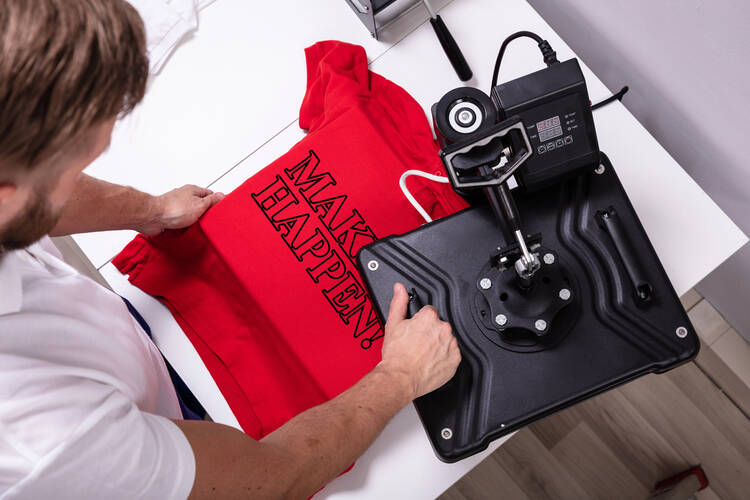
Heat presses and modern garment-printing equipment make it possible to produce small customized clothing orders from home. Customers can include businesses, families, schools and event organizers.
Rather than carrying huge inventories, keep common blank garment sizes and produce items after orders arrive. Good design work can become as important as the printing itself.
24. Custom Decal and Vinyl-Cutting Business

A vinyl cutter allows you to produce window graphics, wall decals, labels and simple signage. Products can be shipped easily or installed locally.
Businesses can become repeat customers when they need branded labels and graphics.
You can combine this with vehicle wraps, garment printing or sign production.
25. Soap Making Business

A dedicated garage workspace can keep soap-production equipment separate from ordinary household activities. You can produce bar soaps and other permitted personal-care products.
Because products come into contact with people’s skin, ingredient control, labeling and manufacturing rules matter.
You should understand the cosmetic or soap regulations in the market where you sell.
26. Candle Making Business

A garage can provide useful production and storage space for candles. You can create container candles, decorative candles and gift sets.
A strong fragrance concept and attractive packaging can help you compete against mass-market brands. Wax heating and open heat sources require appropriate fire precautions.
27. Jewelry Making Business
A workbench in your garage can support small-scale jewelry production. Depending on your skills, you can work with beads, wire, precious metals, wood or other materials.
Personalized pieces can work especially well online. Photographing the products professionally is important because customers cannot inspect craftsmanship in person.
28. Leather Goods Business
You can produce wallets, belts, bags, tool pouches and other leather products.
A garage gives you space for cutting tables, presses and storage. Start with a handful of designs that you can manufacture consistently.
Personalization and repair services can increase the value of each customer.
29. Sewing, Alteration and Custom Clothing Business
A clean converted section of a garage can become a sewing studio. You can provide alterations, repairs and made-to-order clothing.
Alterations can generate steadier local demand than relying entirely on fashion design.
If customers visit the garage for fittings, provide adequate privacy and a professional changing area.
30. Small-Batch Assembly and Kitting Business
Small companies sometimes need products assembled, packaged or combined into kits but do not need a large contract manufacturer.
You can provide light assembly and packaging from a well-organized garage.
Examples might include subscription-box preparation, promotional kits or product bundles.
Avoid products requiring regulated manufacturing conditions unless your facility is properly approved.
Repair, Resale and Storage Businesses
31. Computer Repair Business
Your garage can become a secure repair workshop for desktop computers and other equipment. You can provide diagnostics, upgrades and appropriate repairs.
Business customers can become more valuable than occasional household jobs because they may have several machines. Protect customer data carefully whenever you work on storage devices.
32. Phone and Tablet Repair Business

Screen replacement, battery replacement and other common device repairs can be handled from a compact workstation.
You do not need a large garage, but the extra storage is useful for parts and tools. Start with a manageable number of device models.
Trying to carry replacement parts for everything can tie up too much money.
33. Appliance Repair Workshop
Customers can bring smaller appliances to your garage, while you can travel to their homes for equipment that is difficult to move.
You might specialize in vacuum cleaners, small kitchen appliances or another category. Your technical training determines which products you should accept.
Keeping access to reliable replacement parts can become a competitive advantage.
34. Power Tool Repair Business
Contractors and homeowners need drills, saws and other equipment repaired.
You can operate a garage workshop specializing in particular brands or tool categories.
Commercial customers can provide repeat business because their tools experience much heavier use. You can also refurbish suitable used tools for resale.
35. Electronics Repair Business
If you understand electronic diagnostics and soldering, you can repair selected equipment from a garage bench. Specialization is advisable.
Trying to fix every electronic product that enters the door will require too many parts and too much technical knowledge. Choose devices for which repairs are economically worthwhile.
36. Antique and Vintage Restoration Business
Old furniture, decorative items and collectibles sometimes need careful restoration.
A garage gives you room to work on pieces over several days without occupying the house.
The value lies in preserving the piece rather than simply making it look new.
Research materials and restoration methods carefully before working on valuable antiques.
37. Used Furniture Resale Business
You can use your garage to store several carefully selected used furniture pieces.
Clean, repair or refinish them and sell through online marketplaces or local customers. Avoid filling the entire garage with items merely because they are free.
Choose pieces with obvious resale demand and enough potential margin to justify transportation and labor.
38. Small E-Commerce Fulfillment Business
A well-organized garage can provide fulfillment services for one or two small online sellers.
You receive inventory, store it, pack orders and arrange shipping. This works best for compact products with predictable order volume.
Once the number of orders exceeds the capacity of a residential property, moving into a dedicated warehouse should become part of the growth plan.
39. Online Resale and Marketplace Business
Your garage can become an inventory and photography area for products you resell online.
You might specialize in tools, collectibles, furniture, sporting equipment or another category you understand.
The advantage of specialization is that you become better at recognizing undervalued items.
Organize inventory carefully so you do not spend more time searching for sold items than listing them.
40. Tool and Equipment Rental Business
Homeowners may need equipment for only one weekend and prefer renting to purchasing it.
You can keep pressure washers, landscaping tools and other suitable equipment in your garage and rent them locally.
Deposits, identification, maintenance and insurance require clear procedures.
Start with equipment that has obvious local demand rather than buying everything you personally find interesting.
Service Businesses That Can Use a Garage as a Base
41. Pressure Washing Business

Your garage provides a secure place to store pressure washers, hoses and cleaning equipment between jobs. The actual service takes place at customers’ properties.
You can clean driveways, patios and appropriate exterior surfaces. Commercial properties and property managers can provide recurring work.
42. Lawn Care Business
Mowers, trimmers and other lawn equipment require considerable storage space.
That makes a garage an ideal base for a lawn-care company. You can build recurring weekly or biweekly service routes.
Try to cluster customers geographically so you spend more time working and less time driving.
43. Junk Removal Business
A garage can hold hand trucks, protective equipment, tools and other supplies needed for junk-removal jobs.
You can serve homeowners, landlords and businesses clearing unwanted items. You will still need a suitable truck or trailer and approved disposal options.
Where practical, separate reusable or recyclable items instead of treating everything as waste.
44. Event Equipment Rental Business

Tables, chairs, backdrops, portable décor and other event items need somewhere to be stored.
A garage can serve as your first inventory room. Customers can collect items or you can charge for delivery and setup.
Start with equipment that can be rented repeatedly and withstand frequent transportation.
45. Pet Grooming Studio
A properly converted garage can become a grooming room if zoning and animal-care rules permit it.
You can provide bathing, trimming and grooming services for dogs and other suitable pets.
Drainage, ventilation, sanitation and animal safety all need to be considered during conversion.
Recurring appointments every few weeks can make this a predictable service business.
46. Garage Gym and Personal Training Studio

If you have appropriate qualifications, you can convert a garage into a small private training studio.
One-on-one and small-group sessions require much less space than a commercial gym.
You can specialize in strength training, mobility or another area within your expertise.
Check zoning, insurance and occupancy requirements before regularly receiving clients at home.
47. Garage Barber Studio

A professionally converted garage can provide enough room for one or two barber chairs. The business works particularly well by appointment.
You should create a proper finished environment rather than expecting customers to sit beside lawn equipment and storage boxes.
Barber licensing and home-salon rules vary by jurisdiction, so verify them before converting the space.
48. Product Photography Studio
Online sellers constantly need clean photographs and videos of their products.
You can install lights, backgrounds and shooting tables inside a garage. Small local brands can send or bring products to you.
This can be combined with e-commerce video production and short-form social-media content.
49. Music Lesson and Rehearsal Studio
A converted garage can provide separation from the main house for music lessons.
You can teach guitar, drums, keyboard or another instrument you know well.
Soundproofing may be necessary to avoid creating problems for neighbors. Scheduled private lessons can provide predictable recurring revenue.
50. Woodworking, Craft and Maker Classes

If you already have a well-equipped workshop, you can earn additional income teaching other people how to use it.
You might offer beginner woodworking, furniture refinishing, engraving or other craft workshops. Keep classes small enough for safe supervision.
Insurance, protective equipment and clearly defined safety procedures become particularly important when students operate tools.
Before You Convert Your Garage Into a Business
A garage may save you rent, but you should not treat it as free business space.
First, make sure the activity is permitted at your home. Then calculate what the conversion actually requires. You may need better:
- Lighting
- Electrical capacity
- Ventilation
- Heating or cooling
- Fire protection
- Security
- Dust extraction
- Storage
- Customer parking
- Business insurance
You should also separate business inventory and tools from ordinary household storage.
A garage full of bicycles, Christmas decorations, boxes and lawn furniture is not automatically a workshop simply because you put a workbench in the middle.