
If you love cooking and want to turn that skill into a business, you should know that starting a full-service catering company is only one of your options.
The catering industry is much broader than preparing food for large weddings.
You can specialize in corporate lunches, meal-prep subscriptions, private dinners, barbecue events, dessert tables, mobile bars, school meals, charcuterie boards or even businesses that rent equipment to caterers.
That variety is important because different catering models require very different amounts of capital.
You may be able to begin a small drop-off catering or personal-chef service using a licensed commercial kitchen and a limited menu, while airline catering or institutional food service can require substantial equipment, staff and contracts.
You should therefore choose the business model before buying equipment.

If you intend to start a catering business, pay particular attention to three things: who you want to serve, how often those customers can buy from you and how complicated each order will be to produce profitably.
A caterer handling one wedding every Saturday has a completely different business from one delivering 150 office lunches five days every week.
Neither model is automatically better. You should choose the one that matches your skills, available kitchen capacity and the customers you can realistically reach.
Are Catering Businesses Still Worth Starting?
Yes, especially if you avoid trying to serve everybody. Catering customers increasingly expect more than large trays of generic food.
They may need vegetarian and allergen-conscious options, individually packaged office meals, attractive grazing tables, interactive food stations, premium drinks or menus built specifically around an event.

You should also look for recurring customers.
- A wedding can produce a large invoice once.
- A company ordering lunch every Tuesday can produce revenue throughout the year.
- A school, factory or office cafeteria contract can be even more valuable if you have the capacity to handle it.
The best catering businesses often combine both: high-value events and dependable recurring work.
Wedding and Social Event Catering Ideas
1. Wedding Catering Business
Wedding catering remains one of the most attractive niches because couples often allocate a substantial portion of their event budget to food and drinks.
You can provide plated dinners, buffets, cocktail receptions, food stations or family-style meals.
You should develop packages around different guest counts and service levels rather than creating every quotation completely from scratch.
Wedding planners and venues can become especially important sources of referrals.
You should also calculate labor carefully. A wedding requiring cooks, servers, setup staff and cleanup can look highly profitable until all of those hours are included.
2. Micro-Wedding and Intimate Event Catering
Not every couple wants a reception for 200 people. You can specialize in weddings and celebrations with perhaps 10 to 50 guests and provide a more personalized dining experience.
Smaller events can allow you to offer premium menus, attractive table presentation and chef-led service without maintaining an enormous staff.
You can also work with vacation rentals, private homes and boutique event venues.
The opportunity is to charge for quality and personalization rather than volume alone.
3. Social Event Catering
Birthday parties, anniversaries, graduation celebrations, baby showers and family reunions all need food.
You can build several menu packages according to event size and budget. Customers may want anything from simple buffet trays to a fully staffed service.
You should avoid accepting every style of event immediately. Develop a few menus you can execute consistently and expand after you understand your costs.
4. Children’s Party Catering
Parents frequently want children’s parties to be enjoyable without spending the entire event cooking and serving food.
You can provide child-friendly meals, snacks, desserts and drinks in appropriate portions. Presentation can become part of your advantage.
Food boxes, themed tables and colorful dessert displays can make the service feel more special than ordinary catering.
You should also be particularly careful about allergy information when serving children.
5. Funeral and Memorial Catering
Families arranging a funeral may need simple food and refreshments for relatives and guests without having the time or emotional energy to organize them personally.
You can provide sandwiches, finger foods, pastries, hot meals, tea, coffee and other suitable options. Your service should be dependable, discreet and easy to arrange.
Relationships with funeral homes, churches and community organizations can provide referrals.
You should keep packages straightforward because families often need to make decisions quickly.
6. Romantic Dinner Catering
You can create private dining experiences for anniversaries, proposals and other occasions.
Instead of serving a large crowd, you may prepare a multi-course dinner for two and provide table setup, flowers, candles or other agreed presentation elements.
This business depends heavily on experience. Customers are paying for the atmosphere and convenience as much as the food.
You can work in customers’ homes, vacation rentals or approved private venues.
7. Picnic Catering Business
Luxury picnics have created another way to combine food with an event experience.
You can provide baskets, grazing foods, sandwiches, desserts and drinks along with tables, cushions and décor.
Customers may book picnics for birthdays, dates, bridal events and family gatherings.
You should develop clear weather and cancellation policies if most events take place outdoors.
The model also works well in scenic areas and tourist destinations.
8. Holiday Catering Business
Thanksgiving, Christmas, Easter and other holidays can create large short-term demand for prepared food.
You can offer full meals, side dishes, desserts or family-sized packages customers collect or have delivered. Pre-orders are essential.
You should set an order deadline and maximum capacity rather than continuing to accept orders until your kitchen becomes impossible to manage.
Holiday catering can also generate customers who later hire you for private events.
9. BBQ Catering Business

Barbecue works well for weddings, company picnics, festivals, family reunions and outdoor parties.
You can serve ribs, chicken, brisket, pulled meat, sausages and appropriate side dishes.
The preparation method matters because smoked meats may require many hours before an event begins. You should therefore build your production schedule carefully.
BBQ can also become a strong drop-off catering product because it travels relatively well and customers can serve it buffet-style.
10. Festival and Public Event Catering
Festivals, fairs and community events can place thousands of potential customers in one location.
You can operate a catering stall, mobile kitchen or food truck. The challenge is estimating demand.
Too little food means missed revenue, while overestimating attendance can leave you with expensive unsold inventory.
You should examine vendor fees, expected attendance, competing food operators and weather risk before committing to an event.
Corporate and Recurring Catering Ideas
11. Corporate Catering Business
Corporate catering can be especially attractive because companies hold meetings, training sessions, client events and employee celebrations throughout the year.
You can provide breakfast, lunch, snacks, buffets and event catering. Reliability matters enormously.
A company ordering lunch for a 12:30pm meeting cannot accept delivery at 1:15pm.
You should make ordering simple and provide clear packages for common group sizes.
One satisfied office can become a recurring customer rather than a one-time event.
12. Office Lunch Subscription Service
Instead of waiting for companies to call whenever they remember to order lunch, you can sell scheduled meal plans.
A business might receive lunch every Tuesday and Thursday or a catered staff meal every Friday.
Recurring schedules allow you to plan purchasing and production more accurately.
You should offer enough menu rotation to prevent employees from becoming bored while maintaining enough ingredient overlap to control costs.
This model can create much more predictable revenue than individual event catering.
13. Boxed Lunch Catering
Boxed lunches work for meetings, conferences, field crews, training sessions and school or sporting events.
Each person receives an individually packed meal containing a sandwich, wrap or entrée together with sides and perhaps a dessert.
The model is relatively easy to distribute because clients do not necessarily need buffet equipment or serving staff.
You can create standard, vegetarian and other appropriate dietary options. Efficient assembly and labeling are critical when producing hundreds of boxes.
14. Breakfast Catering
Business meetings do not only happen at lunchtime. You can specialize in breakfast catering with pastries, breakfast sandwiches, fruit, coffee, juices and hot breakfast trays.
Early delivery can become a competitive advantage if other caterers prefer later events.
Corporate offices, medical practices, real estate meetings and training events can provide customers.
You should design food that travels well and remains attractive after transportation.
15. Brunch Catering Business
Brunch can command more premium pricing than a basic breakfast while remaining suitable for weddings, showers, birthdays and corporate gatherings.
You can serve waffles, eggs, pastries, fruit, breakfast meats and brunch beverages.
Interactive stations can add value. For example, you might provide a waffle station or made-to-order egg service where the venue permits it.
Presentation is particularly important because brunch events are often social and highly photographed.
16. Conference and Seminar Catering
Conferences may require several catering services during the same day. You can provide arrival coffee, morning refreshments, lunch, afternoon snacks and drinks.
The business can generate significant revenue because one booking may involve hundreds of attendees over several days. You should be very good at logistics.
Break times are often short, so food needs to be ready before hundreds of people arrive at once. Large conferences may also require detailed dietary labeling.
17. Employee Cafeteria Management

Companies with large workforces sometimes outsource their cafeterias rather than manage food service internally.
You can operate the kitchen, plan menus, employ staff and serve employees under a contract.
This business requires substantially more operational discipline than occasional events because service may take place every working day.
You should understand the expected meal volume and contract terms before purchasing equipment or hiring staff.
18. Industrial Catering Business
Factories, mines, construction projects and other industrial facilities may need meals for large numbers of workers.
Some sites operate around the clock, creating demand for breakfast, lunch, dinner and night-shift meals.
You should focus on nutritious, filling food that can be produced consistently at volume.
Long-term contracts can make this attractive, but clients may have strict requirements regarding safety, delivery and food handling.
19. Construction Crew Catering
Large construction projects may employ dozens or hundreds of workers who cannot easily leave the site for meals.
You can provide scheduled breakfast and lunch deliveries or operate a mobile food service nearby where permitted.
The menu should prioritize food that is filling, portable and reasonably priced.
Recurring weekday service can produce dependable income if you secure major projects.
You should also account for the fact that construction sites eventually finish, so continue building relationships with contractors.
20. Film and Production Catering
Film, television, advertising and photography productions may require food for cast and crew during long working days. Schedules can start extremely early and change with little notice.
You need flexibility, reliable transportation and the ability to feed people with different dietary requirements.
Production companies may also need snacks and drinks available throughout the day.
Once you build relationships with producers and production coordinators, successful jobs can lead to repeat bookings.
Meal Delivery and Personal Catering Ideas
21. Meal Prep Business

Meal prep can give you recurring weekly revenue rather than depending entirely on events.
Customers order several prepared meals at once and refrigerate or freeze them for later.
You can target busy professionals, families, fitness customers or another clearly defined group.
You should standardize portion sizes and production because consistency is essential to controlling food costs.
Subscriptions can make demand easier to forecast and reduce the amount of unsold food.
22. Family Meal Delivery Business
Some families do not need individual meal-prep containers. They want a complete dinner that can feed four or six people.
You can prepare family-sized dishes and deliver them on selected days each week.
Lasagna, casseroles, curries, rice dishes and other foods that travel and reheat well can work effectively.
You should take orders in advance so you know exactly how many portions to prepare.
23. Personal Chef Business
A personal chef prepares meals for individual households rather than large events.
Depending on the arrangement, you may shop for ingredients, cook several meals in the client’s home and store them for later use. This can suit busy professionals, families and higher-income households.
You should ask detailed questions about preferences, allergies and kitchen facilities before accepting a client. Recurring weekly customers can make this a very stable service business.
24. Private Dinner Chef
Private dining is more event-oriented than ordinary personal-chef work. You can prepare restaurant-style multi-course meals inside a customer’s home for birthdays, anniversaries and small gatherings.
Customers may pay a premium because they receive a private restaurant experience without leaving home.
You can also include menu consultation, plating and cleanup. Your portfolio and presentation will have a major effect on how much you can charge.
25. Catered Food Delivery Service

You can focus on delivering larger food orders from caterers, restaurants and commercial kitchens rather than preparing the food yourself.
The business can solve a real problem because transporting trays, insulated containers and large orders requires more space and care than an ordinary meal delivery.
You should build relationships with several food businesses rather than depending entirely on individual consumers. Timeliness and proper handling are critical.
26. Freezer Meal Business
Freezer meals allow customers to stock meals that can be reheated when needed.
You can sell casseroles, soups, sauces, prepared entrées and family-sized meals.
This model can reduce some of the pressure associated with same-day delivery.
You should provide clear storage and reheating instructions and comply with local food-production and labeling requirements.
Weekly pickup locations can also reduce delivery costs.
27. Mobile Catering and Food Truck Business
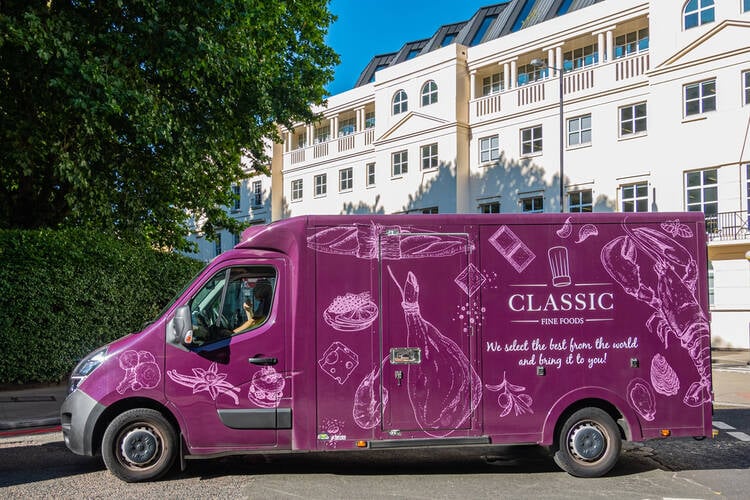
A mobile catering operation allows you to serve offices, festivals, private events and other locations using a food truck, trailer or appropriately equipped mobile unit.
You should keep the menu focused because mobile kitchens have limited storage and preparation space.
Private bookings can be especially useful because you know the number of guests before arriving.
A truck can therefore earn from street sales during some periods and booked catering during others.
Specialty and Dietary Catering Ideas
28. Vegan and Plant-Based Catering
You can specialize in events where customers want high-quality plant-based menus rather than a token vegetarian option.
Serve dishes that are attractive in their own right instead of trying to imitate every meat-based item.
Weddings, corporate events, retreats and health-focused gatherings can provide customers.
You should also be clear about ingredients because vegan customers may have specific expectations regarding preparation.
29. Halal Catering Business
A halal catering company can serve weddings, corporate events, religious gatherings and community celebrations.
You should source ingredients properly and understand the standards your customers expect before describing food as halal.
Trust is extremely important in this niche. Developing relationships with community organizations and event venues can help generate referrals.
You can specialize in a particular cuisine or provide broader halal event menus.
30. Kosher Catering Business
Kosher catering can serve religious celebrations, weddings, corporate events and institutions. This is not simply a matter of removing particular ingredients.
You need to understand the applicable preparation requirements and, where necessary, work with appropriate certification or supervision.
If your local market has sufficient demand, the specialist nature of the service can reduce direct competition. You should research the community before investing in dedicated facilities.
31. Gluten-Free Catering Business
You can develop catering menus for customers avoiding gluten, but you need to take cross-contact seriously.
A kitchen that handles ordinary flour everywhere may not be appropriate for customers with medical needs.
You should be precise about what your business can guarantee and train staff accordingly.
Weddings and corporate events increasingly need suitable options for guests with different dietary requirements.
32. Allergen-Aware Catering Business
Some customers need menus designed around particular food allergies. A specialized caterer can create carefully documented offerings and provide clear ingredient information.
This is an expertise-based niche. You should have rigorous procedures covering purchasing, storage, preparation and labeling.
Never promise an allergen-free environment unless your operation can genuinely meet that standard.
33. Health and Wellness Catering
You can serve gyms, wellness retreats, corporate wellness programs and customers who want balanced meals.
Menus might emphasize vegetables, lean proteins, whole grains and appropriate portion sizes.
Avoid making medical claims about the food. Instead, sell convenience, quality and clearly described ingredients.
Nutrition professionals can become useful partners where formal nutritional advice is involved.
34. Senior Meal Catering
Older customers may need convenient meals delivered to their homes or residential communities.
You can provide easy-to-reheat portions and menus developed around the preferences of your target customers.
You should distinguish ordinary meal delivery from medically prescribed diets, which may require qualified professionals.
Partnerships with senior communities and care organizations can provide recurring customers.
35. School and Daycare Catering
Schools and childcare facilities may outsource meal preparation to qualified food-service companies.
You need to be able to produce consistent meals on schedule and meet the institution’s nutrition, allergy and food-safety requirements.
Contracts can provide predictable weekday demand. You should understand payment terms because institutional clients may pay more slowly than private event customers.
36. Healthcare Facility Catering
Hospitals, clinics and care facilities may require specialized food service for patients, visitors or employees. This is much more demanding than ordinary event catering.
You may need qualified dietetic input, strict sanitation controls and the ability to produce large numbers of meals consistently.
Smaller operators may find opportunities catering staff meetings or outpatient facilities before attempting major hospital contracts.
Premium Food and Beverage Catering Ideas
37. Charcuterie and Grazing Table Business
Charcuterie boards and grazing tables combine food with presentation. You can create displays using cheeses, cured meats, fruit, breads, nuts and other appropriate items.
The service works particularly well for weddings, corporate receptions and private parties.
You should price the labor involved in setup, not merely the cost of the ingredients.
Presentation is a major part of what customers are purchasing.
Smaller boxed charcuterie products can also generate orders outside large events.
38. Dessert Catering Business
A dessert caterer can provide cakes, pastries, cookies, pies and other sweets without handling the entire meal.
This allows you to specialize in a part of the event where presentation can justify premium pricing.
You can create dessert tables for weddings, birthdays and corporate events.
The business can also work alongside traditional caterers that would rather outsource dessert production.
39. Wedding Cake Business
Wedding cakes combine baking skill with design. You can sell tiered cakes, dessert cakes and smaller celebration cakes.
You should build a strong photographic portfolio because couples often choose cake designers visually.
Tastings can help convert enquiries into bookings. You can also form referral relationships with wedding planners, venues and caterers.
40. Candy and Dessert Buffet Business
Candy tables remain useful for weddings, children’s parties, showers and corporate celebrations.

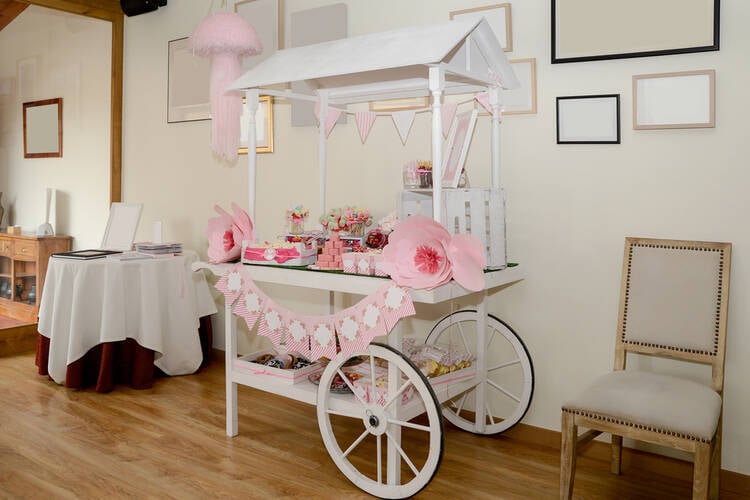
You can provide jars, stands, themed colors, sweets and setup. The customer is partly paying for presentation.
You should therefore invest in reusable display equipment that can work across many events.
Personalized packaging and take-home favor bags can create additional revenue.
41. Coffee Cart and Mobile Café Catering

A mobile coffee cart can cater weddings, conferences, offices and private events.
You can serve espresso drinks, tea, hot chocolate and selected pastries.
The service can become particularly attractive for morning events and conferences.
You should design the setup so drinks can be produced quickly during sudden rushes.
Corporate branding on cups or menus can also be offered for business events.
42. Mobile Bartending Business

You can provide bartenders, portable bar equipment and beverage service at weddings, corporate events and private parties.
Depending on local law and your licensing, the client may provide alcohol or your company may supply it.
You should understand liquor regulations before advertising particular packages. Signature cocktails can help differentiate your service.
You can also sell premium upgrades such as custom menus, bar décor and additional bartenders for larger events.
43. Mocktail and Non-Alcoholic Bar Service
Not every customer wants alcohol. You can build an event beverage business around professionally prepared mocktails, flavored waters, specialty sodas and other non-alcoholic drinks.
This can work for corporate functions, school events, religious celebrations, wellness events and weddings.

Presentation matters here just as much as with cocktails. Fresh garnishes, attractive glassware and signature drinks can turn an ordinary beverage station into part of the event experience.
44. Juice and Smoothie Catering
You can cater gyms, sporting events, corporate wellness days and outdoor functions with fresh juice and smoothies.
A mobile setup allows drinks to be prepared in front of guests where appropriate.
You should keep the menu manageable because customized drinks can slow service considerably.
Fruit cups and other light foods can be added to increase average order value.
Large Contract and Catering Support Business Ideas
45. Airline and Transportation Catering
Airline catering can involve producing and supplying meals for flights, while other transport operators may need food for long-distance journeys.
This is not an easy entry-level business. Clients can require substantial capacity, strict food-safety systems, secure facilities and reliable delivery schedules.
You should build experience in commercial catering before pursuing major transport contracts.
Smaller opportunities may exist with charter operators and private aviation.
46. Hotel and Venue Catering Contractor
Some hotels and event venues prefer outsourcing part or all of their catering operation.
You can provide food production, banquet service or specialist menus under contract. Venues can become valuable because they host events repeatedly.
You should demonstrate that you can meet service standards consistently rather than treating each booking as an independent party. A strong portfolio will be important before pursuing larger contracts.
47. Catering Equipment Rental Business
You can earn from catering without preparing food yourself. Caterers and event organizers frequently need chafing dishes, beverage dispensers, serving equipment, coolers and other items they do not want to purchase for occasional use.
You should buy equipment that has strong local rental demand rather than purchasing everything imaginable.
Storage, cleaning and transportation should all be included when setting rental prices.
Repeatedly renting the same equipment allows you to recover the original purchase cost over time.
48. Tables, Chairs and Linen Rental Business

Tables, chairs and linens are needed for weddings, parties, conferences and outdoor events.
You can rent directly to customers or partner with caterers and event planners.
Delivery and collection can become significant costs, so you should set geographic service areas and minimum-order values.
As the business grows, you can add tents, tableware and other event equipment.
49. Catering and Event Staffing Agency

Caterers sometimes need additional servers, bartenders, kitchen assistants and setup staff for large events. You can build an agency that supplies trained temporary personnel.
Your value comes from having dependable workers available when clients need them. Screening, training and scheduling will be central to the business.
You should understand employment laws and insurance requirements because the people you supply may legally be your employees rather than independent contractors.
50. Catering Training and Consulting Business
If you already have extensive catering experience, you can make money helping other food businesses improve their operations.
You might teach menu costing, event pricing, production planning, staffing, food presentation or kitchen workflow.
You can also operate practical cooking and catering courses for people entering the industry.
If you issue certificates, you should clearly distinguish your own course-completion certificates from qualifications requiring government or professional accreditation.
Consulting works best when you have genuine operating experience and results clients can verify.
Which Catering Business Should You Start?
You should choose according to your experience, startup capital and preferred type of customer.
If You Have Limited Startup Capital
You should look at businesses such as personal-chef services, meal prep, dessert catering, candy buffets, boxed lunches or small drop-off catering.
These allow you to begin with a relatively focused product and rent equipment or licensed kitchen space when necessary.
You should avoid buying a warehouse full of catering equipment before you have customers.
If You Want Recurring Revenue
Corporate lunches, meal-prep subscriptions, school catering, industrial catering and cafeteria management deserve closer attention.
The contracts may be less glamorous than weddings, but predictable weekly orders can make running the business much easier.
You should work out production capacity before signing large contracts.
Recurring revenue becomes a problem rather than an advantage if your kitchen cannot consistently produce the required meals.
If You Prefer Premium Events
Wedding catering, private-chef dinners, grazing tables, mobile bars and luxury event catering can allow higher pricing.
Customers expect stronger presentation and personalized service, so your photographs, uniforms, equipment and customer communication need to reflect that positioning.
If You Do Not Want to Cook
You can still participate in the catering industry through equipment rental, table and chair rental, staffing, delivery or other business-to-business services.
Those opportunities can be particularly attractive where many caterers operate but support services are limited.