If you own an RV park, renting campsites should not be your only source of revenue.
Your guests will need food, laundry, supplies, entertainment, pet care, internet access and help maintaining their RVs while they are staying with you.
Every time they have to leave your property to buy one of those things, another business gets money that could potentially have been spent inside your park.

That is where additional RV park businesses become interesting. The best ideas are not random attractions added simply because they sound good.
You should focus on businesses that either solve a problem for your guests, make their stay more enjoyable or give them a reason to remain at your park longer.
Location still matters. An RV park next to a lake can make good money from kayaks and fishing equipment.

A park near a national park may benefit from outdoor gear and tours, while a park serving long-term guests may earn more from laundry, workspace and RV maintenance.
You should therefore study who actually stays at your park before deciding which additional businesses to start.
Are Additional Businesses in an RV Park Worth Starting?

Yes, because an RV park already gives you something many entrepreneurs spend heavily trying to acquire: a captive group of potential customers.
Your guests are physically located on your property for one or more nights.
If they need ice, firewood, coffee, laundry detergent, breakfast, a dog sitter or an RV repair technician, convenience can strongly influence where they spend their money.
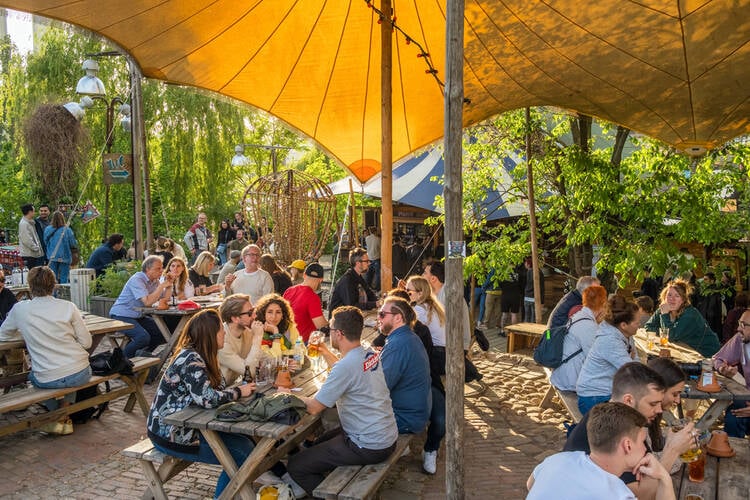
Some businesses can also be operated through partnerships. For example, you do not necessarily need to purchase a food truck, hire a mechanic and employ a dog groomer.
You could allow reliable local businesses to operate inside your park on selected days and earn through rent, commissions or revenue-sharing arrangements. That approach can help you test demand before investing heavily.
Best RV Park Business Ideas
1. RV Park Convenience Store

A convenience store is one of the first businesses you should consider because RV travelers repeatedly need small items they would rather buy without driving into town.
You can sell bottled water, snacks, drinks, bread, milk, basic groceries, toiletries, batteries, bug spray and other everyday products.
But you should stock the store specifically for RV and camping customers. Useful products can include:
- Firewood and fire starters
- Ice
- Propane where permitted
- S’mores kits
- RV toilet chemicals
- Electrical adapters
- Water hoses and fittings
- Camping supplies
- Pet products
- Fishing bait and basic tackle
You can also sell local souvenirs, maps and products from businesses in the surrounding area.

The important thing is not to turn your store into an undersized supermarket filled with slow-moving inventory. Track what guests actually buy.
If firewood and ice sell every day while canned vegetables sit on the shelf for months, give more space to firewood and ice.
You can make the store even more convenient by allowing guests to order selected items by phone or online and have them delivered directly to their site.
2. RV Repair and Mobile Maintenance Service
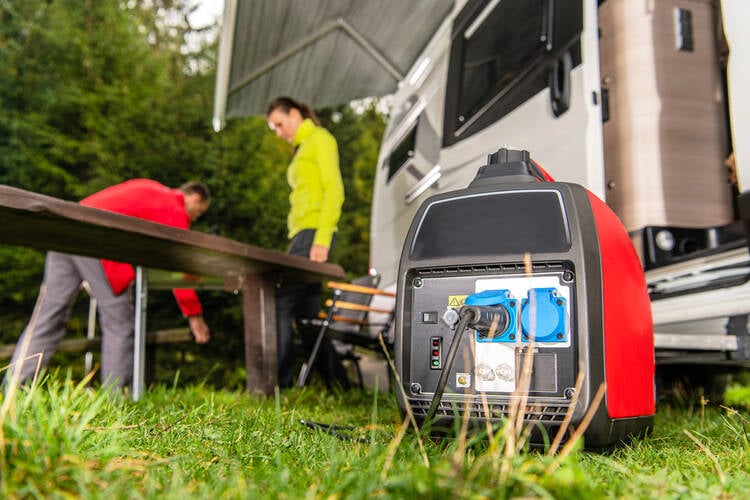
An RV experiencing a mechanical, electrical or plumbing problem can quickly ruin someone’s trip. That creates an opportunity to provide on-site maintenance.
Depending on the qualifications of your technicians, services might include battery replacement, tire service, minor plumbing repairs, electrical troubleshooting, appliance servicing and other permitted maintenance.
You should not attempt repairs that require expertise your staff does not possess.
Instead, you can partner with qualified mobile RV technicians and make your park one of their regular service locations.
This arrangement can be particularly attractive in areas where the nearest RV service center is far away. You can also offer scheduled inspections for long-term guests.
A guest staying for several months may be willing to pay for preventive maintenance rather than waiting until something fails.
If you operate a larger park, you could eventually create a dedicated service bay.
3. Laundry and Wash-and-Fold Service

Laundry becomes increasingly important the longer guests remain at your park.
Self-service washers and dryers can generate recurring income while giving travelers a service they would otherwise have to leave your property to find.
You should make the laundry room somewhere guests actually want to use. Keep it clean, well-lit and secure.
Card or mobile payment can be more convenient than forcing travelers to find coins.
You can also sell detergent and other laundry products through a vending machine.
If your customer base contains long-term guests, families and retirees, consider a wash-and-fold service.
Guests drop off their clothes and collect them later or have them delivered to their RV.
That allows you to earn more from the same laundry facility while providing a higher-convenience option. Free Wi-Fi and seating can also make waiting for laundry less frustrating.
4. Bike, E-Bike and Golf Cart Rental Business

Many RV travelers do not want to disconnect and drive their entire RV every time they need to move around the park or visit somewhere nearby.
That gives you an opportunity to rent bicycles, e-bikes, golf carts or appropriate scooters.
Which vehicles you choose should depend on your property and surrounding area. Golf carts can work well inside large parks.
Bicycles and e-bikes make more sense if guests can safely access trails, beaches or nearby attractions. You should create hourly, daily and multi-day rental rates.
A guest staying for a week may happily pay for an e-bike for several days if it means leaving the motorhome parked.
You also need clear safety rules, rental agreements and insurance appropriate for the vehicles you provide.
Do not add electric scooters merely because they are fashionable if local roads, trails or regulations make them unsuitable.
5. Outdoor Adventure Rental Business

If your RV park is close to natural attractions, you should consider making outdoor recreation part of the business rather than simply telling guests where to find it elsewhere.
You can rent kayaks, canoes, paddleboards, fishing equipment, ATVs, bicycles or other gear appropriate for your location.
An RV park beside a lake has a very different opportunity from one beside mountain trails, so let your surroundings determine your inventory.

You can sell packages combining accommodation and equipment. For example:
- Two-night stay plus kayak rental
- Weekend fishing package
- Family bike package
- RV site plus guided hiking excursion
Those packages help you compete on the overall experience rather than campsite price alone. You can also partner with local guides instead of employing your own.
A good partnership could allow you to sell fishing trips, wildlife tours, rafting or guided hikes and receive a commission without purchasing specialized equipment yourself.
6. Coffee Shop, Café or Breakfast Bar

Not every RV traveler wants to cook breakfast immediately after waking up.
A small café can sell coffee, breakfast sandwiches, pastries, juice and simple meals to guests before they start the day’s activities. You do not necessarily need a full restaurant.
A compact counter-service operation can be easier to manage and still generate useful revenue. You should focus particularly on morning convenience.
Allow guests to place breakfast orders in advance and collect them on the way out of the park.

A small coffee truck or trailer can also work if you do not want to build a permanent café immediately. Your café can become a social space as well.
Good Wi-Fi, comfortable seating and charging outlets give guests somewhere outside their RV to drink coffee, talk or work.
You can also host pancake breakfasts or other weekly food events that encourage guests to socialize.
7. Food Truck and Guest Dining Business
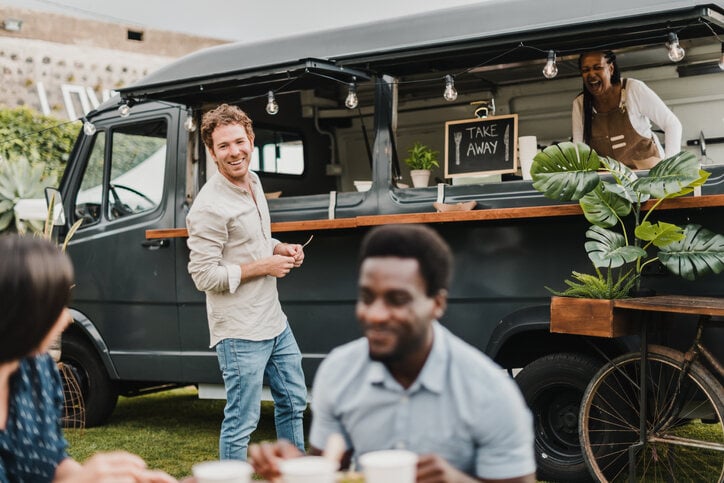
Many guests enjoy cooking while camping, but they do not necessarily want to prepare every meal.
A food truck gives them another option without requiring you to build a full restaurant.
You can operate your own truck or invite different local food trucks to your park on scheduled evenings.
The second approach can be especially useful if you want to test demand. For example, you could establish:
- Taco Tuesday
- Friday barbecue night
- Saturday pizza night
- Sunday breakfast truck
Guests know food will be available on particular evenings, while local vendors gain access to a concentrated customer base.

You can charge food vendors a site fee or negotiate another arrangement. An outdoor dining area with picnic tables and lighting can turn these food nights into social events rather than simple transactions.
If alcohol is involved, you should comply with all applicable licensing and service requirements.
8. Pet Sitting, Dog Walking and Pet Wash Service

Pets are an important part of RV travel for many guests. That creates opportunities beyond simply allowing dogs inside the park.
You can provide pet sitting for guests who want to visit attractions where animals are not permitted, along with dog walking and pet grooming services.
A self-service dog wash can be another good addition. Guests who have spent the day hiking, swimming or exploring muddy trails may appreciate somewhere to wash the dog before allowing it back into the RV.

You can also add a fenced dog park and sell treats, waste bags, leads and other basic pet supplies through your store.
If you do not want to employ groomers or sitters directly, partner with trustworthy local providers and schedule service days inside the park.
The important thing is to make pet owners feel that bringing their animal makes the trip easier rather than more complicated.
9. RV Cleaning and Detailing Business
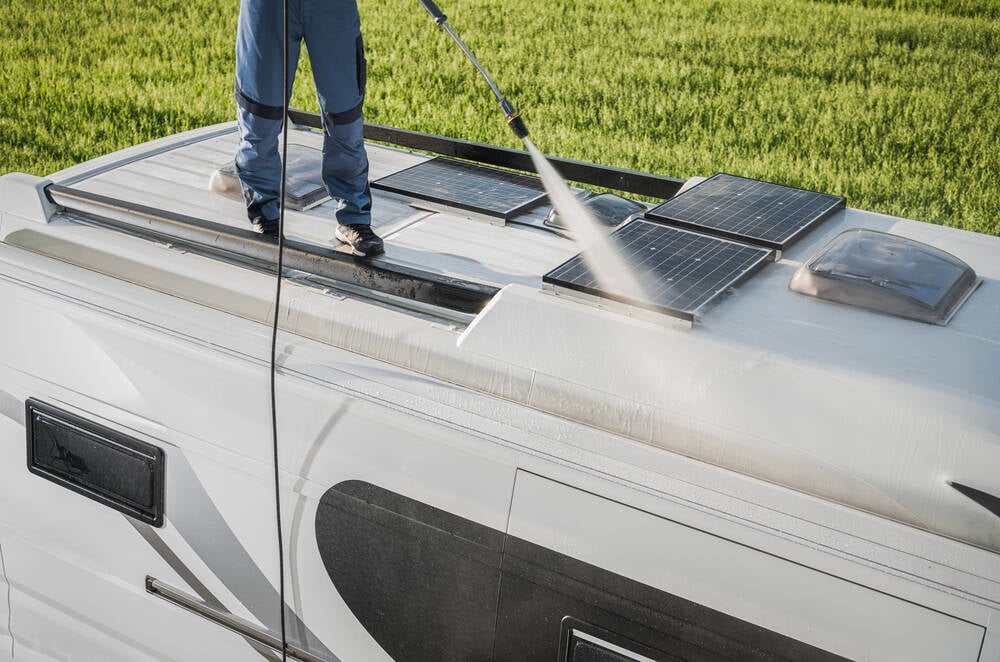
RVs accumulate dust, mud, insects and road grime quickly. Many travelers have neither the equipment nor the desire to spend part of their vacation cleaning a large vehicle.
You can offer exterior washing, interior cleaning and detailing directly at appropriate sites or inside a designated service area. Possible services include:
- Exterior wash
- Bug and road-grime removal
- Wheel cleaning
- Interior vacuuming
- Bathroom and kitchen cleaning
- Upholstery cleaning
- Waxing and detailing
You should price according to vehicle size because cleaning a small travel trailer is not equivalent to detailing a large motorhome. Arrival and departure packages can work particularly well.
A long-term guest might book a complete cleaning before leaving, while someone arriving after a long road trip may want the exterior washed shortly after check-in.
You should also manage water use and wastewater according to local environmental regulations.
10. Remote Work Lounge and Premium Wi-Fi Business
RV travel and remote work increasingly overlap, which creates an opportunity many traditional parks overlook.
Your guests may have beds, kitchens and bathrooms inside their RVs but still lack a comfortable professional environment for working several hours.
You can provide a quiet workspace with strong Wi-Fi, desks, ergonomic chairs, charging outlets and perhaps small private booths for calls.
You do not need to build an enormous coworking center. A modest room inside an existing clubhouse may be enough.
You can provide basic Wi-Fi throughout the park and charge for premium high-speed packages or workspace access where appropriate. Possible paid services include:
- Day passes
- Weekly workspace passes
- Private call-room reservations
- Printing and scanning
- Premium internet packages
- Meeting-room rental
Reliable internet is critical. Do not advertise a workspace specifically to remote workers if the connection becomes unusable whenever the park is full.
This service may also encourage some travelers to extend their stays because they can continue working without leaving the campground.