
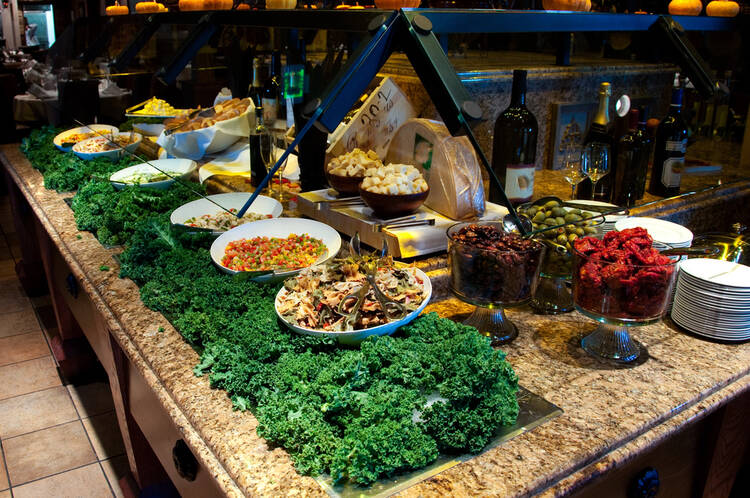
Organizing an event where you offer a salad bar is indeed a brilliant way to impress your guests and promote healthy eating.
Salad bars provide guests with the freedom to customize their meals, choosing from a colorful variety of fresh vegetables, fruits, toppings, and dressings.
They are also visually appealing and add a touch of sophistication to any gathering, whether it is a wedding, corporate function, or casual celebration.

A well-organized salad bar encourages guests to enjoy nutritious food. There are several creative ways to present salad bars.
We are going to explore some of the best salad bar design ideas, plus floor plan and layout tips.
Best Salad Bar Design Ideas
-
Modern Minimalist Salad Bar

A modern minimalist salad bar focuses on clean lines, simple layouts, and a sleek appearance.
Stainless steel, glass, and neutral colors like white or gray dominate the design, creating a fresh, hygienic atmosphere.
Keep the layout open, with clear divisions for greens, toppings, and dressings.
Use LED lighting to highlight vibrant ingredients and enhance visual appeal. A central island layout allows guests to move freely around all sides.
This design is perfect for corporate events or upscale restaurants seeking a sophisticated, clutter-free presentation that emphasizes freshness, simplicity, and quality ingredients.
-
Rustic Farmhouse Style Salad Bar
Rustic farmhouse design brings warmth and charm to your salad bar setup.
Use natural wood, wicker baskets, and chalkboard labels to create a cozy, organic atmosphere.
The layout can feature long wooden tables or crates arranged in tiers for easy access to ingredients.
Add mason jars for dressings and galvanized metal bowls for a homely touch. Incorporate fresh greenery or small potted herbs as decorations.
This setup works perfectly for outdoor events, weddings, or country-themed gatherings.
-
Circular Island Salad Bar
A circular island design allows guests to access ingredients from all sides, reducing congestion and improving flow.
This setup works best in spacious venues or restaurants with open layouts.
Place leafy greens and base items in the center, followed by toppings and dressings arranged outward in layers.
The 360-degree access ensures continuous movement and prevents long queues. Incorporate tiered trays or glass dividers for organization.
Bright lighting enhances visibility and freshness. This design promotes interaction among guests while maintaining efficiency.
-
Tiered Display Salad Bar
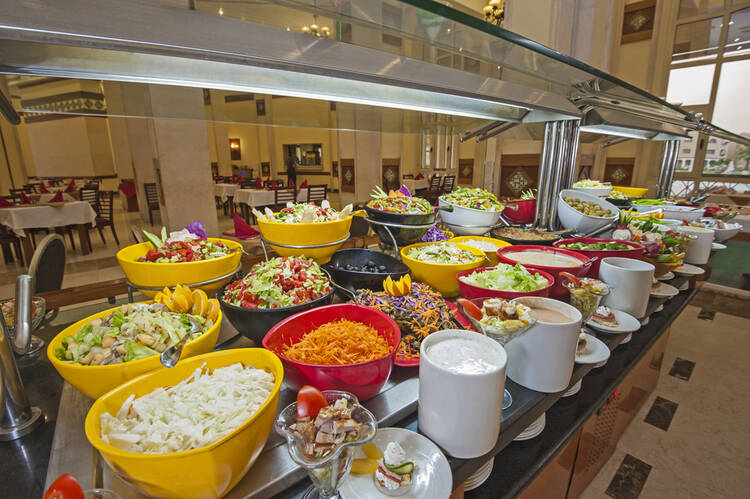
A tiered salad bar adds visual interest and maximizes limited space. Using multi-level shelves, crates, or risers, you can present a wide variety of ingredients without overcrowding the table.
Place larger bowls or greens on the bottom tier, with toppings and smaller items on the upper levels.
The vertical design makes every ingredient easily visible and accessible. Use different textures like wood, glass, and metal to add depth.
This setup works great for small venues or catering events where space is limited but presentation still needs to look organized.
-
Build-Your-Own Bowl Station
This interactive design focuses on customization and efficiency. Guests move along a linear layout where they choose their base, toppings, proteins, and dressings.
Organize the station with labeled sections for greens, grains, proteins, and extras.
Use clear sneeze guards for hygiene and visual appeal. Incorporate refrigerated compartments to keep ingredients fresh throughout the event.
The flow should be intuitive from start to finish, culminating in a cashier or checkout point, particularly in commercial settings.
This concept is ideal for corporate cafeterias, food courts, or large gatherings, offering convenience and a fun, engaging way to build personalized salads.
-
Outdoor Garden Salad Bar
An outdoor garden salad bar blends nature with fresh dining. Set up under a canopy, pergola, or tent to protect ingredients from the sun while maintaining an open-air ambiance.
Use rustic wooden tables, floral arrangements, and baskets of fresh produce for decoration.
Organize sections for greens, toppings, and dressings in wide, shallow bowls for easy serving.
Place chilled containers or ice trays beneath perishable items. This layout works beautifully for weddings, picnics, or summer parties.
It allows guests to enjoy freshness and scenery while emphasizing a farm-fresh, natural dining experience.
-
Compact Mobile Salad Bar Cart
A mobile salad bar cart is perfect for events with limited space or venues that require easy setup and transport.
Use a stainless-steel or wooden cart with built-in compartments, cooling trays, and sneeze guards.
The design should include wheels for mobility and shelves for storage underneath.
Ingredients can be organized in shallow containers for quick access. Bright signage and organized compartments make it visually appealing.
Ideal for outdoor markets, food trucks, or small catering events, this setup provides convenience, flexibility, and functionality without compromising freshness or customer experience.
-
Eco-Friendly Salad Bar
An eco-friendly salad bar design focuses on sustainability and green materials.
Use bamboo serving trays, biodegradable utensils, and glass containers instead of plastic. LED lighting and energy-efficient refrigeration reduce energy use.
Decorate with potted plants, recycled wood, or reclaimed furniture. Ensure waste segregation bins are nearby for composting and recycling.
The floor plan should allow for easy movement while maintaining cleanliness and hygiene.
This design appeals to environmentally conscious guests and businesses seeking to promote eco-values.
-
Mediterranean-Inspired Salad Bar
This design draws inspiration from Mediterranean cuisine and decor. Use terracotta bowls, ceramic dishes, and blue-and-white color themes reminiscent of coastal Greece or Italy.
Offer fresh olives, feta cheese, chickpeas, and olive oil as core ingredients. The layout should include a central serving counter surrounded by small accent tables featuring bread and dips.
Hanging herbs and lemon baskets enhance authenticity. Warm lighting creates an inviting, sun-kissed ambiance.
Perfect for themed restaurants or events, this design balances visual beauty with flavorful, health-focused ingredients inspired by the Mediterranean lifestyle.
-
Buffet-Style U-Shape Layout
A U-shaped buffet design encourages smooth traffic flow and efficient serving.
Place greens at the starting point, followed by toppings, proteins, and dressings, ending with napkins and utensils.
The inward-facing layout allows staff to refill ingredients easily from behind the counter.
It maximizes visibility and accessibility for guests. Use sleek counters or tables with sneeze guards and proper lighting to enhance the look. This layout suits hotels, cafeterias, and event halls.
The U-shape encourages organized movement, reduces waiting time, and provides ample space for multiple guests to serve themselves simultaneously.
-
Tropical-Themed Salad Bar
A tropical-themed salad bar infuses color, freshness, and vacation vibes into your event or restaurant. Use bright tablecloths, bamboo displays, and palm leaves as décor.
Incorporate fruits like mangoes, pineapples, and papayas into your salad ingredients. Wooden or coconut-shell bowls add authenticity and charm.
The layout can follow a linear design with colorful signage separating toppings by category:
Fruits, greens, and proteins. Soft lighting and tropical music enhance the overall mood.
This fun, vibrant setup works beautifully for summer events, beach parties, or tropical-themed restaurants aiming to create a refreshing dining experience.
-
Industrial Chic Salad Bar

This design blends urban elegance with functionality, ideal for modern restaurants or city events.
Use materials like black metal, glass, and reclaimed wood for a bold, contemporary look.
Exposed light fixtures, pipe shelving, and matte finishes enhance the industrial vibe.
Organize the layout in a straight line or along a wall, ensuring visibility of all ingredients.
Include clear labeling and small metal bowls for consistency. Keep refrigeration units subtly built into the counter.
The overall feel should be sleek yet warm, combining the raw appeal of industry with the freshness of nature.
-
Open Kitchen Salad Bar
An open kitchen salad bar gives guests a behind-the-scenes view of salad preparation, emphasizing freshness and transparency.
Design the counter with a glass barrier, allowing customers to watch chefs chop, mix, and serve ingredients in real time.
Arrange stations for greens, proteins, toppings, and dressings in a visible, linear format. Incorporate stainless steel counters for hygiene and efficiency.
The layout should prioritize accessibility and staff movement while maintaining visual appeal.
This design builds trust, creates an engaging experience, and works perfectly in upscale restaurants or health-conscious eateries.
-
Grab-and-Go Salad Bar
A grab-and-go salad bar caters to busy customers who want healthy meals quickly.
Use compact, refrigerated shelves stocked with pre-packed salads and toppings in clear, eco-friendly containers.
Place the counter near entrances for easy access, with a linear layout guiding customers through choices efficiently.
Clear labeling of ingredients, nutritional facts, and prices is essential. Bright lighting enhances visibility and freshness. This setup works perfectly for cafes, offices, airports, and supermarkets.
Emphasize speed, hygiene, and freshness, ensuring customers can conveniently grab a salad without sacrificing quality or flavor in their fast-paced routines.
-
Vintage Deli-Style Salad Bar
Bring a nostalgic touch to your event or eatery with a vintage deli-inspired salad bar.
Use checkered tablecloths, glass jars, and antique metal trays for display. Chalkboard menus and old-fashioned scales add authenticity.
The layout should follow a classic counter style where guests move along in one direction, selecting ingredients.
Include warm lighting and subtle background music for ambiance. This design creates a cozy, familiar experience reminiscent of traditional diners.
It is ideal for family gatherings, themed restaurants, or community events where warmth, simplicity, and retro charm appeal to diverse audiences.
-
Corporate Office Salad Bar
A corporate salad bar focuses on convenience, speed, and professional presentation.
Use a modular, linear layout with separate sections for bases, toppings, and proteins. Incorporate refrigerated counters and sneeze guards for hygiene.
Neutral colors, stainless steel finishes, and clean signage fit perfectly in office environments.
Offer a self-service or staff-assisted option during lunch breaks. Include space-efficient seating or high tables nearby.
This design promotes healthy eating at work while enhancing employee satisfaction.
With weekly rotation of ingredients and efficient traffic flow, it becomes a functional and appealing feature for any workplace cafeteria.
-
Kid-Friendly Salad Bar
A kid-friendly salad bar encourages healthy eating among children by making it fun and accessible.
Use colorful bowls, low-height tables, and playful signage to attract attention.
Organize ingredients in small, easy-to-reach containers labeled with fun names like “Super Spinach” or “Magic Carrots.”
The layout should be simple, with step-by-step sections guiding kids through building their salad.
Incorporate creative toppings like fruit cubes, cheese stars, or mini croutons.
Bright colors, cartoon-themed décor, and cheerful staff make the experience enjoyable.
This design works great for schools, family restaurants, or children’s birthday events.
-
Self-Cleaning Smart Salad Bar
A self-cleaning smart salad bar integrates technology to enhance hygiene and efficiency.
Equipped with automated cooling, UV sterilization, and touchless dispensers, this futuristic setup minimizes contamination risks.
Digital screens can display ingredient details, freshness status, or calorie information.
The layout follows a sleek, modern design using stainless steel and glass surfaces.
Ideal for hospitals, airports, or corporate cafeterias, this setup combines safety and innovation. Staff can monitor supply levels via sensors, ensuring timely refills.
-
Seasonal Salad Bar Display
A seasonal salad bar celebrates the freshest ingredients each season has to offer.
Rotate the menu and décor based on the time of year: vibrant greens in spring, colorful fruits in summer, root vegetables in fall, and hearty grains in winter.
Use themed table settings and seasonal decorations like pumpkins, flowers, or citrus displays.
The layout can follow a modular format, easily adjusted for new ingredients.
This design keeps your presentation dynamic, engaging, and locally inspired.
It is perfect for restaurants or catering businesses emphasizing freshness, creativity, and seasonal dining experiences.
-
Interactive Chef’s Salad Bar
The interactive chef’s salad bar transforms dining into an engaging culinary experience. Guests can request personalized salads prepared live by a chef.
Design the station with a clean, open counter and transparent glass partition for safety and visibility.
Arrange ingredients in a semi-circle around the chef for easy access.nInclude built-in refrigeration and cutting boards.
The setup encourages conversation, customization, and entertainment. Bright task lighting ensures visibility of every colorful ingredient.
Perfect for upscale restaurants, weddings, or live catering events, this design combines artistry, freshness, and customer interaction beautifully.