
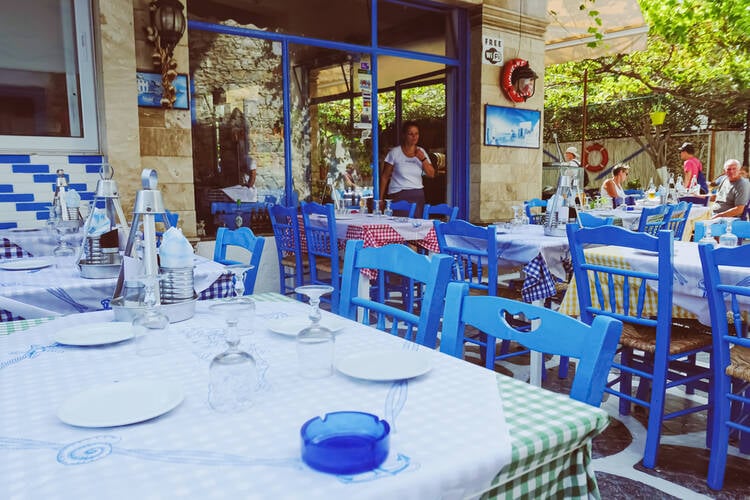
Seafood restaurants are known for creating a fresh, relaxing, and coastal dining experience that evokes the ocean and seaside living.
This is why most seafood restaurant owners pay close attention to their interior design.
The truth is that the atmosphere of a seafood restaurant plays a major role in attracting customers and encouraging them to stay longer.

A well-designed space can instantly communicate freshness, quality, and authenticity.
From nautical décor and ocean-inspired color schemes to comfortable seating and efficient dining layouts, the design of a seafood restaurant should reflect its theme and brand.
The right floor plan can also improve staff movement, enhance customer comfort, and maximize seating capacity.
Best Seafood Restaurant Interior Design ideas
-
Coastal and Nautical Theme Design
One of the most popular interior design ideas for seafood restaurants is adopting a coastal or nautical theme.
This design style uses elements that remind customers of the ocean, beaches, and fishing culture.
Owners can decorate the space with items such as fishing nets, ropes, anchors, ship wheels, and framed ocean photographs.
Wooden furniture, weathered finishes, and marine colors like navy blue, sea green, and sandy beige also help reinforce the theme.
This type of design creates a relaxing seaside atmosphere that complements seafood dishes perfectly.
When customers feel like they are dining near the ocean, the experience becomes more memorable and authentic.
-
Ocean-Inspired Color Palette
Choosing the right color palette plays a key role in shaping the atmosphere of a seafood restaurant.
Ocean-inspired colors such as turquoise, aqua blue, deep navy, white, and soft sand tones help create a refreshing and calming environment.
These colors reflect the natural beauty of the sea and reinforce the seafood concept of the restaurant.
Walls, furniture, table linens, and decorative elements can all incorporate these tones to create a consistent look.
Lighter colors can make the dining area feel more spacious and clean, which is important when serving seafood.
A thoughtful color scheme can make the restaurant visually appealing and inviting to guests.
-
Open Kitchen Concept
An open kitchen layout can be an excellent design choice for seafood restaurants because it builds transparency and trust with customers.
Guests can see how their meals are prepared, which highlights freshness and cleanliness—two important factors when serving seafood.
Watching chefs grill fish, steam shellfish, or plate dishes can also create an engaging dining experience.
This layout often includes a counter or bar-style seating near the kitchen where customers can interact with chefs.
In addition to enhancing customer confidence, an open kitchen can make the restaurant feel lively and energetic while showcasing the skills of the culinary team.
-
Efficient Kitchen-to-Dining Flow
Seafood restaurants often handle fresh ingredients that must be served quickly to maintain quality and flavor.
The layout should ensure that servers can easily pick up dishes and deliver them to customers without unnecessary delays.
Wide walkways, clearly defined service paths, and strategically placed service stations can improve efficiency.
When staff can move freely without congestion, service becomes faster and more organized.
A thoughtful layout not only improves operations but also enhances the overall dining experience for guests.
-
Comfortable and Flexible Seating Arrangements
Seating arrangements play a major role in customer comfort and space utilization.
Seafood restaurants should provide a mix of seating options, including booths, tables for small groups, and larger tables for families or celebrations.
Flexible seating layouts allow staff to rearrange tables depending on group size and reservation needs.
Comfortable chairs and adequate spacing between tables help customers relax and enjoy their meals.
Overcrowded dining areas can make guests feel uncomfortable and rushed.
By creating a balanced seating plan that maximizes capacity while maintaining comfort, restaurant owners can improve both customer satisfaction and profitability.
-
Seafood Display or Raw Bar Feature
Adding a seafood display or raw bar can significantly enhance the visual appeal of a seafood restaurant.
Fresh fish, oysters, lobster, and other seafood items can be displayed on ice in a clean and well-lit area.
This feature allows customers to see the freshness of the ingredients before ordering.
A raw bar where chefs prepare oysters or seafood platters in front of guests can also create an exciting focal point within the restaurant.
Not only does this design element reinforce the seafood theme, but it also adds an interactive aspect to the dining experience that attracts curious diners.
-
Natural Lighting and Waterfront Feel
Natural lighting can dramatically improve the ambiance of a seafood restaurant.
Large windows, glass doors, or skylights allow sunlight to brighten the dining space, creating a fresh and welcoming atmosphere.
Even if the restaurant is not located near the ocean, designers can create a waterfront feel by incorporating large windows, airy curtains, and light-colored materials.
Bright spaces often make customers feel more comfortable and relaxed. Natural lighting also highlights the colors and presentation of seafood dishes, making them look more appetizing.
Restaurants that maximize natural light often appear more inviting and visually appealing.
-
Durable and Easy-to-Clean Materials
Seafood restaurants deal with moisture, oils, and strong food aromas, so using durable and easy-to-clean materials is very important.
Floors made from sealed wood, tile, or polished concrete are often ideal because they can handle spills and heavy foot traffic.
Tables and countertops should also be made from materials that resist stains and are easy to sanitize.
In addition, using high-quality ventilation systems helps control cooking odors.
Choosing practical materials ensures that the restaurant remains clean, safe, and attractive over time.
-
Themed Lighting Fixtures
Lighting plays an important role in creating the right dining mood. Seafood restaurants can use themed lighting fixtures such as lantern-style lights, rope pendant lamps, or fixtures shaped like fishing baskets or shells.
Warm lighting helps create a cozy and relaxing dining atmosphere, especially during evening hours.
Proper lighting should also highlight key areas such as the bar, seafood display, and dining tables.
Combining decorative lighting with functional lighting ensures that the space looks attractive while still allowing guests to see their meals clearly.
-
Outdoor Patio or Deck Seating
If space allows, adding an outdoor patio or deck seating area can significantly enhance the dining experience at a seafood restaurant.
Outdoor dining creates a casual and relaxed atmosphere that many customers enjoy, especially during warm weather.
The space can be decorated with wooden tables, umbrellas, string lights, and plants to create a beachside vibe.
Patio seating can also increase the restaurant’s total capacity and attract customers who prefer open-air environments.
Even in urban locations, an outdoor seating area can provide a refreshing change from indoor dining and make the restaurant feel more vibrant and inviting.
-
Aquarium or Marine Life Feature
Adding an aquarium or marine life feature can create a unique and memorable atmosphere in a seafood restaurant.
A large fish tank filled with colorful fish, coral decorations, or even live lobsters can serve as a striking focal point that captures customers’ attention as soon as they enter the restaurant.
Aquariums not only enhance the ocean-themed environment but also create a relaxing visual experience for diners. Families with children often find this feature especially appealing.
When positioned near the entrance or dining area, an aquarium can become part of the restaurant’s identity and make the space feel lively and engaging.
-
Well-Designed Bar or Beverage Station
A stylish and functional bar area can significantly improve the layout and appeal of a seafood restaurant.
Many customers enjoy pairing seafood with beverages such as cocktails, mocktails, sparkling water, or fresh juices.
Designing a dedicated bar space with attractive shelving, comfortable stools, and good lighting can create an inviting social area.
The bar can also serve as a waiting area for guests during busy hours. A well-placed beverage station helps improve service efficiency while encouraging additional sales.
By incorporating the bar seamlessly into the restaurant’s layout, owners can enhance both the customer experience and overall profitability.
-
Clear Entrance and Waiting Area
A well-planned entrance and waiting area is essential for managing customer flow, especially during peak hours.
Seafood restaurants that attract large crowds should create a welcoming entry space where guests can comfortably wait to be seated.
This area may include a host stand, benches, decorative elements, and menu displays that allow customers to preview available dishes.
A clearly defined entrance also helps staff manage reservations and walk-in guests more efficiently.
When designed properly, the waiting area can reduce congestion near the dining space and create a positive first impression for customers entering the restaurant.
-
Strategic Placement of Service Stations
Service stations are essential for efficient restaurant operations. These stations typically include areas to store utensils, napkins, condiments, trays, and cleaning supplies.
In seafood restaurants, service stations should be strategically placed so servers can quickly access what they need without disrupting guests.
Proper placement helps reduce unnecessary walking and improves overall service speed.
These stations can also include drink refill areas or small preparation spaces for sauces and garnishes.
When thoughtfully integrated into the floor plan, service stations help staff maintain a smooth workflow, ensuring customers receive prompt and attentive service throughout their dining experience.
-
Themed Artwork and Decorative Elements
Decorative artwork can help reinforce the identity and atmosphere of a seafood restaurant.
Wall art featuring ocean landscapes, fishing boats, sea creatures, and coastal villages can add character and visual interest to the dining space.
Owners can also incorporate decorative elements such as driftwood sculptures, seashell displays, or framed maps of famous fishing regions.
These design touches create storytelling opportunities and give customers the feeling of dining in a place connected to the sea.
When carefully selected and arranged, themed artwork can transform a simple dining space into a visually engaging environment that complements the seafood dining experience.