
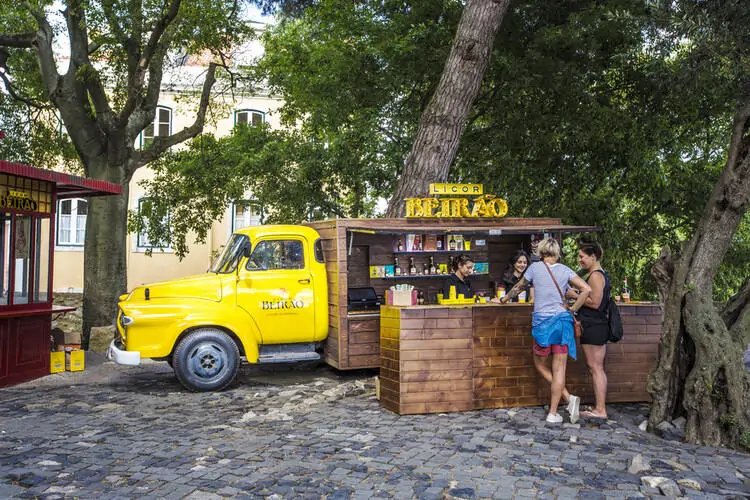
A mobile bar trailer business is a hospitality venture in which entrepreneurs use a converted trailer, van, or portable setup to serve drinks at events such as weddings, corporate functions, and festivals.
Instead of operating from a fixed location, the business travels to clients, offering customized beverage services, including cocktails and non-alcoholic drinks.
This model has become a growing segment of the event and catering industry, driven by demand for unique, on-site experiences and flexible service options.
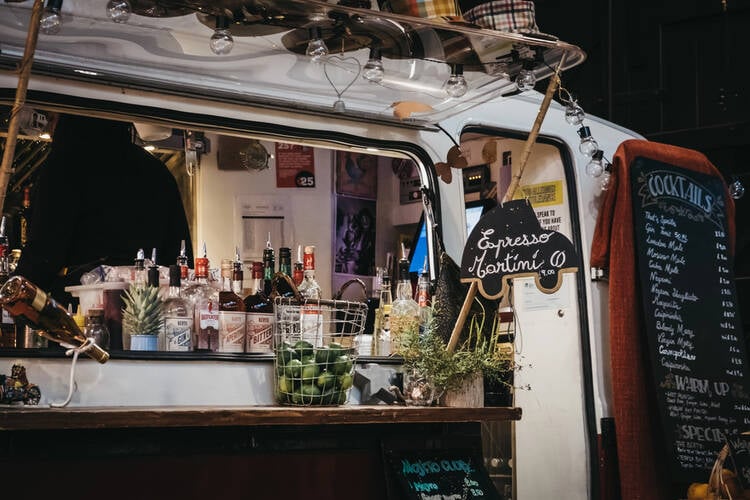
From a data perspective, the industry is attractive due to relatively low startup costs, often as little as $2,000 to $5,000 for basic setups, while custom trailers can cost $15,000 to $50,000+.
Annual revenues typically range from $50,000 to $250,000, with profit margins of around 20%-40%.
There are over 92,000 mobile food and beverage businesses in the U.S., reflecting strong market demand.

Growth is also fueled by trends like premium cocktail services and rising demand for non-alcoholic options, which already account for about 28% of revenue in the sector.
Steps on How to Start a Mobile Bar Trailer Business
-
Conduct Market Research
Conducting market research is an essential step when starting a mobile bar trailer business.
First, you are expected to identify who your potential customers are, such as wedding planners, event coordinators, or individuals hosting private parties.
Determine their demographic characteristics, such as age, income, and location.
Next, analyze their pricing, services, and marketing strategies to determine how you can differentiate your business.
Conduct surveys or focus groups to understand what customers are looking for in a mobile bar trailer service. Ask about their preferences for drinks, pricing, and customer service.
You should also determine the cost of goods sold for each drink recipe and the overhead costs associated with running the business.
Analyze pricing strategies used by competitors to determine what pricing structure will be most competitive and profitable for your business.
Lastly, based on your research, you should develop a workable marketing plan that targets your ideal customers and highlights your unique selling points.
a. Who is the Target Market for the mobile bar trailer business?
- Event planners who specialize in organizing social and corporate events in open spaces.
- Venue owners
- People who are hosting events such as birthday parties, anniversaries, and housewarming parties
- Corporate clients
- Wedding planners
- Non-profit organizations
b. Is Mobile Bar Trailer Business a Profitable Business?
Yes, a mobile bar trailer business can be profitable, especially with proper pricing and consistent bookings.
Industry data shows average annual revenues ranging from about $52,000 to $260,000, with profit margins typically between 20% and 40% for full-service models.
As a matter of fact, some operators earn $50,000 – $250,000 yearly, and well-managed businesses can generate strong returns due to low overhead and flexible operations.
In some cases, a single event can bring in $1,500 – $3,000 or more, highlighting strong income potential.
c. Are There Existing Niches in the Industry?
Yes, there are existing niches when it comes to the mobile bar trailer business, and here are some of them;
- Craft Cocktail Specialists
- Mixology Classes and Workshops
- Wedding and Special Events
- Corporate Events and Brand Activations
- Non-Alcoholic and Mocktail Bars.
- Outdoor and Festival Bar trailer
- Sustainable and Eco-Friendly Bars
- Theme Party Specialists.
d. Who are the Major Competitors?
- Bar Car Mobile
- Moab Bar Trailers
- Bubbles and Brews
- Mary J Lounge LLC
- The Tipsy Gypsy Mobile Bar Co.
- The Rusty Nail Mobile Bar
- Tap Truck USA
- The Boozy Trailer
- The Rolling Pour
- Happy Camper Cocktail Company
- The Wandering Pour
- The Thirsty Nomad Mobile Bar
- The Vintage Pour Mobile Bar
- Sip & Saddle Mobile Bar
- The Copper Still Mobile Bar
- The Trailer Bar Co.
- Tipsy Traveler Mobile Bar
- The Mobile Mixologist
- The Party Trailer Bar
- The Rolling Tap Mobile Bar.
e. Are There County or State Regulations or Zoning Laws for mobile bar trailer businesses in the United States?
Yes, there are regulations, licenses, and zoning laws that mobile bar trailer businesses must comply with in the United States.
However, it is important to note that specific regulations can vary by state, county, and even city.
If your mobile bar trailer business serves alcohol, you will likely need to obtain the appropriate liquor license.
The specific type of license required will depend on the state and local regulations.
Mobile bar trailer businesses must adhere to health and safety regulations to ensure food and drink preparation, handling, and service meet sanitation standards.
This may include obtaining food handler certifications, maintaining proper storage and refrigeration, and following safe handling practices.
Zoning laws may restrict operating in residential areas, require specific permits for outdoor events, or impose limitations on noise levels or hours of operation.
It is highly recommended to have appropriate insurance coverage for your mobile bar trailer business.
This may include general liability insurance, liquor liability insurance (if serving alcohol), and workers’ compensation insurance for your staff.
Understand and fulfill your tax obligations, including registering for a tax identification number, collecting and remitting sales tax (if applicable), and paying income taxes for your business and employees.
f. Is There a Franchise for Mobile Bar Trailer Business?
Yes, there are a few mobile bar trailer–related franchise or franchise-like opportunities in the U.S. (including licensing models that function similarly to franchises). Here are 10:
- Tapville Mobile Taproom
- Hub Tap Franchise
- With A Twist Bartending Service
- Tap Truck USA
- Bubbles and Brews
- Tapster
- The Tap Trailer Co.
- Pour Decisions Mobile Bar Franchise
- The Rolling Tap Franchise
- Vintage Tap Mobile Bar Franchise
Note: Some operate as licensing models rather than strict franchises, but they function similarly in providing branding, training, and territory support.
g. What Do You Need to Start a Mobile Bar Trailer Business?
- Mobile Bar Trailer or Vehicle (A converted trailer, van, or cart equipped to serve drinks professionally).
- Business Registration and Licensing.
- Insurance Coverage.
- Bar Equipment and Tools.
- Reliable Power and Water Supply.
- Beverage Inventory.
- Menu and Pricing Structure.
- Staff or Bartenders.
- Branding and Marketing Materials
-
Choose a Memorable Business Name
When looking to start a business, before you can begin to file the necessary documents with the constituted authorities or start your website, it is necessary that you come up with a name that you will be recognized with.
It is essential that the name you come up with can easily be pronounced, is unique and easily memorable.
Some of the catchy business name ideas suitable for a mobile bar trailer business are:
- Pricilla Godstone® Mobile Bar Trailer, Inc.
- Benny Fellas® Mobile Bar Trailer, Co.
- Karis White® Mobile Bar Trailer, Inc.
- Jennie Madison® Mobile Bar Trailer, Co.
- David Tammy® Mobile Bar Trailer, Inc.
- Doris Kelvin® Mobile Bar Trailer, Inc.
- Alicia Zeds® Mobile Bar Trailer, LLC
- Hannah Bucksaw® Mobile Bar Trailer, Inc.
- Isabella Brown® Mobile Bar Trailer, LLC
- Grace Pickstock™ Mobile Bar Trailer, Inc.
- Thelma Annan® Mobile Bar Trailer Company
- Théodore Filipe® Mobile Bar Trailer, Inc.
- Doris Rowland™ Mobile Bar Trailer, Inc.
- Drink Court® Mobile Bar Trailer, Inc.
- Zara McPherson® Mobile Bar Trailer, LLC
- Cocktail Empire® Mobile Bar Trailer, Inc.
- Barry Greene® Mobile Bar Trailer, Inc.
- Drink Station™ Mobile Bar Trailer, Inc.
- Lizzy Marcos® Mobile Bar Trailer, Inc.
- Pius Geoffrey® Mobile Bar Trailer, Inc.
-
Register Your Business
a. What Type of Business Structure is Best for a Mobile Bar Trailer Business?
The ideal business structure for a mobile bar trailer company is determined by a variety of factors, including the size of the company, the number of owners, the level of personal liability the owners are ready to accept, and the tax consequences of the various business structures.
However, we normally recommend that you start the business with minimal liability.
An LLC is a hybrid corporate form that provides the flexibility of a partnership while also providing its owners with limited liability protection.
An LLC can have one or more owners, and the owners are not personally accountable for the debts or liabilities of the business.
This business form is frequently used for small to medium-sized organizations.
b. Steps to Form an LLC
- Choose a Name for Your LLC.
- File Articles of Organization.
- Choose a registered agent.
- Decide on member vs. manager management.
- Create an LLC operating agreement.
- Comply with other tax and regulatory requirements.
- File annual reports.
c. What Type of License is Needed to Open a Mobile Bar Trailer Business?
- Business License
- Liquor License
- Catering Permit.
- Temporary Event Permit.
- Food Handler’s Permit.
- Health Department Permit
- Seller’s Permit (Sales Tax License).
d. What Type of Certification is Needed to Open a Mobile Bar Trailer Business?
You don’t need any certifications to open a mobile bar trailer business; the business is open to all and sundry as long as you have the business expertise and finance.
e. What Documents are Needed to Open a Mobile Bar Trailer Business?
- Business Plan
- Business Registration Certificate
- Employer Identification Number (EIN) Confirmation
- Operating Agreement (for LLC)
- Business License
- Liquor License
- Catering Permit
- Temporary Event Permit
- Sales Tax Permit (Seller’s Permit)
- Health Department Permit
- Food Handler’s Certification
- Insurance Policy Documents
- Vehicle Registration and Title for Trailer
- Vehicle/Trailer Inspection Certificate
- Client Contracts and Service Agreements.
f. Do You Need a Trademark, Copyright, or Patent?
A mobile bar trailer business may or may not need a trademark, copyright, or patent, depending on the specific products, services, and branding associated with the business.
Be that as it may, a mobile bar trailer business may want to consider obtaining a trademark for its business name or logo to prevent others from using similar names or logos.
A mobile bar trailer business may want to consider obtaining a copyright for its original recipes, marketing materials, or other creative content that it produces.
It can consider obtaining a patent if it has invented a unique piece of equipment or technology that is used in its business operations.
-
Cost Analysis and Budgeting
a. How Much Does It Cost to Start a Mobile Bar Trailer Business?
The cost to start a mobile bar trailer business can vary widely depending on factors such as the size of the business, location, equipment, and supplies needed, staffing costs, marketing expenses, and more.
However, a rough estimate could range from $70,000 to $150,000 or more, depending on the size and scope of the business.
b. What are the Costs Involved in Starting a Mobile Bar Trailer Business
- Mobile Bar Trailer/Vehicle – $10,000 to $70,000+ (custom trailers can reach $50,000–$68,000+)
- Bar Equipment (tools, coolers, taps, glassware) – $500 to $15,000
- Initial Beverage Inventory – $2,000 to $5,000
- Business Registration & Licensing – $400 to $3,000
- Liquor License / Alcohol Permit – $50 to $1,000+ (varies by state)
- Insurance (General + Liquor Liability) – $750 to $3,000 per year
- Marketing & Branding (website, logo, ads) – $1,000 to $5,000
- Website & Software Tools – $200 to $500 per year
- Utilities & Power Setup (generator, water system) – $500 to $2,000+
- Training / Courses / Consulting – $0 to $2,000+.
c. What Factors Determine the Cost of Opening a Mobile Bar Trailer Business?
- Type and Quality of Trailer
- Level of Equipment and Setup
- Licensing and Permit Requirements
- Inventory Size and Drink Menu
- Branding and Marketing Investment.
- Insurance Coverage Needs
- Business Location and Operating Area.
d. Do You Need to Build a Facility? If YES, How Much Will It Cost?
No, you typically don’t need to build a physical facility for a mobile bar trailer business since operations are fully mobile.
However, you may need a small storage or prep space, which can cost about $200 to $1,500 per month to rent.
If you choose to build a dedicated workspace or garage, costs can range from $5,000 to $30,000+, depending on size, location, and setup requirements.
e. What are the Ongoing Expenses of a Mobile Bar Trailer Business?
- Alcohol and Beverage Restocking – Regular purchase of spirits, mixers, beer, wine, and non-alcoholic drinks
- Ice and Consumables – Ice, napkins, straws, cups, garnishes, and disposable supplies
- Fuel and Transportation Costs – Gas, towing, and vehicle maintenance for the trailer or truck
- Insurance Premiums – Ongoing general liability and liquor liability insurance payments
- Staff Wages – Payments for bartenders, servers, and support staff per event or hourly
- Licensing Renewals – Annual or periodic renewal of permits and liquor licenses
- Marketing and Advertising – Social media ads, website upkeep, and promotional materials
- Storage Fees – Rent for storing the trailer, equipment, or inventory when not in use
- Maintenance and Repairs – Trailer upkeep, equipment repairs, and replacements
- Utilities and Software Tools – Booking systems, payment processors, and communication tools
- Miscellaneous Expenses.
f. What is the Average Salary of your Staff?
- Chief Executive Officer (Owner) – $56,000 per year
- Event Coordinator – $45,000 per year
- Bookkeeper or Accountant – $42,000 per year
- Bartenders – $38,000 per year
- Truck Driver -$35,000 per year
g. How Do You Get Funding to Start a Mobile Bar Trailer Business
- Raising money from personal savings and the sale of personal stocks and properties
- Raising money from investors and business partners
- Sell shares to interested investors
- Applying for a loan from your bank/banks
- Pitching your business idea and applying for business grants and seed funding from the government, donor organizations, and angel investors
- Source for soft loans from your family members and your friends.
-
Write a Business Plan
a. Executive Summary
Benny Fellas™ Mobile Bar Trailer, Inc. in Silver City, New Mexico, is a mobile hospitality business designed to deliver premium beverage services directly to events, including weddings, private parties, festivals, and corporate gatherings.
The company operates a fully equipped mobile bar trailer that provides cocktails, mocktails, and customized drink menus tailored to client preferences.
Its goal is to combine convenience, mobility, and high-quality service to create memorable drinking experiences in any location.
The business leverages the growing demand for experiential event services, where clients seek unique and personalized entertainment options.
By eliminating the need for a fixed location, Benny Fellas™ reduces overhead costs while maximizing flexibility and event reach.
The company focuses on strong branding, professional bartending services, and compliance with all alcohol licensing and safety regulations in New Mexico.
Financially, the business aims for strong profitability through event-based pricing packages, with industry trends showing potential revenues ranging from $50,000 to over $200,000 annually depending on scale and bookings.
With low fixed costs and high demand during peak seasons, Benny Fellas™ Mobile Bar Trailer, Inc. is positioned for sustainable growth and expansion within the regional event services market.
b. Products and Service
Benny Fellas™ Mobile Bar Trailer, Inc. offers mobile cocktail service, custom drink menus, full bartending, mocktails, beer and wine packages, signature cocktails, and mobile draft systems. It serves weddings, corporate events, private parties, and festivals.
The business also provides bar equipment rental, ice and mixers supply, themed setups, and event planning support, delivering a flexible, premium beverage experience directly to client locations.
c. Mission Statement
Benny Fellas™ Mobile Bar Trailer, Inc. is committed to delivering high-quality, mobile beverage experiences that bring people together through exceptional service, creative cocktails, and unforgettable event moments.
We aim to provide professional, reliable, and fully customized bar services that elevate every celebration we serve.
Vision Statement
Our vision is to become a leading mobile bar trailer brand in New Mexico and beyond, recognized for innovation, outstanding customer experiences, and premium event hospitality.
We aspire to redefine mobile bartending by combining convenience, creativity, and excellence while expanding our reach to major event markets across the United States.
d. Goals and Objectives
The goals and objectives of a mobile bar trailer business are to provide high-quality, convenient beverage services at events, build a strong and recognizable brand, achieve consistent profitability, and expand client reach.
It also aims to deliver exceptional customer experiences, maintain compliance with licensing laws, grow repeat business, and increase bookings through effective marketing and seasonal event opportunities.
e. Organizational Structure
- Chief Executive Officer
- Event Coordinator
- Bookkeeper or Accountant
- Bartenders
- Truck Driver.
Marketing Plan
a. SWOT Analysis
Strengths:
Benny Fellas™ Mobile Bar Trailer, Inc. benefits from a highly flexible business model that allows it to operate across multiple event types and locations without the overhead costs of a fixed bar or restaurant.
The mobile structure significantly reduces rent and utility expenses while increasing service reach.
The business can offer fully customizable drink menus, themed bar setups, and personalized customer experiences, which strongly appeal to weddings, private parties, and corporate clients.
Its ability to adapt quickly to different event sizes and customer preferences creates a strong competitive advantage in the growing experiential hospitality market.
Weaknesses:
Despite its flexibility, the business faces challenges related to seasonal demand, with peak revenue often concentrated in warmer months and holiday seasons.
Operations rely heavily on consistent event bookings, meaning income can fluctuate significantly during slower periods.
Licensing and alcohol compliance requirements can also be complex and vary by jurisdiction, creating administrative burdens.
Additionally, the mobile nature of the business limits storage capacity for beverages, equipment, and supplies, requiring careful logistics planning and potentially increasing off-site storage costs.
Opportunities:
There is strong growth potential in the expanding event services industry, especially as consumers increasingly seek unique, Instagram-worthy experiences.
Benny Fellas™ can expand partnerships with wedding planners, corporate event organizers, and festival coordinators to secure consistent contracts.
The business can also introduce premium service tiers, such as craft cocktail experiences, luxury mobile lounges, or non-alcoholic wellness bars.
Over time, it may explore franchising opportunities or scaling by adding multiple trailers to serve wider geographic regions.
Threats:
The business operates in a highly regulated environment where alcohol laws and licensing requirements can change frequently, potentially increasing compliance costs.
Competition from other mobile bar services, catering companies, and traditional venues offering in-house beverage packages is also growing.
Economic downturns or inflation may reduce consumer spending on events and celebrations, directly impacting bookings.
Rising costs of insurance, fuel, alcohol, and supplies can further reduce profit margins, while liability risks associated with alcohol service remain an ongoing concern.
b. How Do Mobile Bar Trailer Businesses Make Money?
Mobile bar trailer businesses make money by charging clients for event-based beverage services such as weddings, parties, and corporate gatherings.
Revenue comes from package pricing (hourly or per event), custom cocktail menus, premium add-ons like signature drinks, and equipment rentals.
Additional income may come from bar staffing services, travel fees, and upselling upgraded drink options.
High-demand seasons and repeat bookings significantly increase overall profitability.
c. Payment Options
- Cash
- Credit Cards
- Debit Cards
- Mobile Payment Apps (e.g., PayPal, Venmo)
- Checks
- Gift Cards
- Bank Transfers
d. Sales & Advertising Strategies
- Partner with wedding planners and event coordinators
- Build relationships with venues and event spaces
- Use Instagram, Facebook, and TikTok marketing
- Run targeted online ads (Google and social media)
- Maintain a professional website with a booking system
- Offer seasonal promotions and discounts
- Use referral and word-of-mouth incentives
- Collect and showcase customer reviews and testimonials
- Network with photographers, DJs, and vendors for collaborations.
Financial Projection
a. How Much Should You Charge for your Product/Service?
- Basic Hourly Bartending Service – $75 to $150 per hour
- Full-Service Mobile Bar Package (Small Events) – $500 to $1,500 per event
- Wedding Bar Package (Standard) – $1,500 to $4,000 per event
- Premium Wedding/Luxury Package – $4,000 to $8,000+ per event
- Corporate Event Package – $1,000 to $5,000 per event
- Private Party Package (Birthdays, Anniversaries) – $600 to $2,500 per event
- Festival/Event Vendor Fee Setup – $300 to $2,000 per day
- Signature Cocktail Menu Upgrade – $150 to $500 extra per event
- Mobile Bar Trailer Rental (Dry Hire Only) – $500 to $2,000 per day
- Travel & Delivery Fee – $1 to $3 per mile or $50 to $300 flat rate.
b. How Much Profit Do Mobile Bar Trailer Business Owners Make a Year?
According to industry estimates, some mobile bar trailer businesses may generate annual revenues of $120,000 to $200,000 or more, depending on the size and scope of their operations.
c.. What Factors Determine the Amount of Profit to Be Made?
- Number of Bookings per Month: More events directly increase total revenue and overall profitability.
- Pricing Strategy: Higher-value packages (luxury weddings, premium cocktails) significantly boost profit margins.
- Operating Costs: Expenses like alcohol inventory, fuel, insurance, and staff wages reduce net profit.
- Seasonality of Events: Peak seasons (summer and holidays) generate higher income, while off-seasons may lower profits.
- Location and Market Demand: Areas with strong wedding, tourism, or event industries typically produce higher earnings.
- Brand Strength and Reputation: Strong reviews and branding lead to repeat clients and higher-paying referrals.
- Upselling and Add-On Services: Extra services like signature cocktails, bar rentals, and premium setups increase per-event profit.
d. What is the Profit Margin of a Mobile Bar Trailer Business?
In general, a profitable mobile bar trailer business may have a profit margin ranging from 15% to 25% or more.
However, this can vary widely depending on the specific business and market.
e. What is the Sales Forecast?
- First Fiscal Year (FY1): $240,000
- Second Fiscal Year (FY2): $320,000
- Third Fiscal Year (FY3): $400,000
-
Set Up your Shop/Office
a. How Do You Choose a Perfect Location for a Mobile Bar Trailer Business?
- The demography of the location
- The demand for mobile bar trailer services in the location
- The purchasing power of businesses in the location
- Accessibility of the location
- The number of mobile bar trailer businesses and related food truck businesses in the location
- The local laws and regulations in the community/state
- Traffic, parking, and security et al
b. What State and City is Best to Open a Mobile Bar Trailer Business?
- Los Angeles, California
- Las Vegas, Nevada.
- Miami, Florida
- Hoboken, New Jersey
- Washington, D.C.
- New York City, New York
- Nashville, Tennessee
- Fort Worth, Texas
- Seattle, Washington
- Chicago, Illinois
c. What Equipment is Needed to Operate a Mobile Bar Trailer Business?
- Mobile bar trailer or converted vehicle
- Portable bar counters and serving stations
- Beverage refrigeration units or coolers
- Ice bins and ice makers
- Cocktail shakers, strainers, jiggers, and muddlers
- Glassware or high-quality disposable drinkware
- Draft beer system (kegs, taps, CO₂ tanks)
- Generators or portable power supply
- Water tanks and handwashing station (if required)
- Storage racks and shelving units
- POS system or mobile payment device
- Serving trays and garnish tools
- Waste disposal bins and recycling containers
- Lighting and decorative setup for events
- Safety and cleaning supplies (sanitizers, towels, gloves).
-
Hire Employees
The decision to hire or not to hire employees for a mobile bar trailer business depends on the size and scale of the operation.
If the business is small and operates on a small scale, it may be possible for the owner to handle all aspects of the business.
However, as the business grows and the sales increases, it may become necessary to hire employees.
-
Launch the Business Proper
Launching a new business is key to how successful the business can gain traction in the market space.
So, you must make sure you organized a launch party that will attract key players such as event planner, venue managers, wedding planners and corporate organization in your target market locations.
a. What Makes a Mobile Bar Trailer Business Successful?
- Choose a good location and unique style to launch the business
- Make sure your services are top-notch
- Throw an open house grand party before officially opening the business
- Be deliberate with your marketing sales approach
- Encourage the use of word of mouth to promote your mobile bar trailer business
- Leverage on all available online and offline platforms to promote your mobile bar trailer business
b. What Happens During a Typical Day at a Mobile Bar Trailer Business?
A typical day at a mobile bar trailer business begins with preparation and setup.
The team reviews event details, loads the trailer with beverages, ice, glassware, mixers, and equipment, and travels to the event location.
Upon arrival, they set up the bar station, arrange decorations if needed, test equipment, and ensure all licensing and safety requirements are met.
Staff also confirm the drink menu, prep garnishes, and prepare for guest flow to ensure smooth service.
During the event, bartenders serve drinks, manage customer orders, and maintain a clean and efficient workspace.
They may upsell premium cocktails or signature drinks while ensuring responsible alcohol service.
After the event, the team cleans the bar area, packs equipment, counts inventory, and returns unused supplies.
Post-event duties also include checking payments, reviewing customer feedback, and preparing for the next booking.
c. What Skills and Experience Do You Need to Build a Mobile Bar Trailer Business?
- Bartending and mixology skills
- Customer service and hospitality experience
- Event planning and coordination knowledge
- Sales and marketing skills
- Business management and budgeting skills
- Knowledge of alcohol laws and licensing regulations
- Inventory and supply chain management
- Strong communication and interpersonal skills
- Time management and organizational skills
- Basic mechanical or operational knowledge of trailers and equipment setup.