
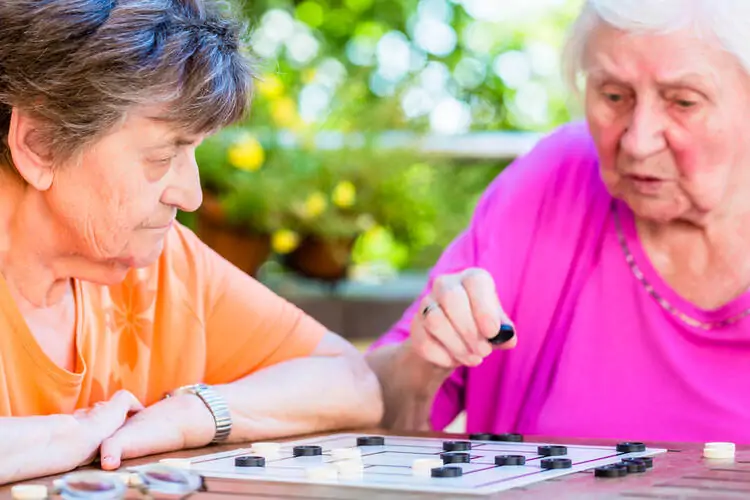
Trust me, nursing homes can be boring for residents, especially when daily routines feel repetitive or when social interaction is limited.
This is why you will find some nursing homes coming up with what is known as “bored board activity,” a simple but effective way to keep residents mentally engaged, socially active, and emotionally uplifted.
When residents are stimulated through fun and meaningful activities, it improves their overall mood and quality of life.
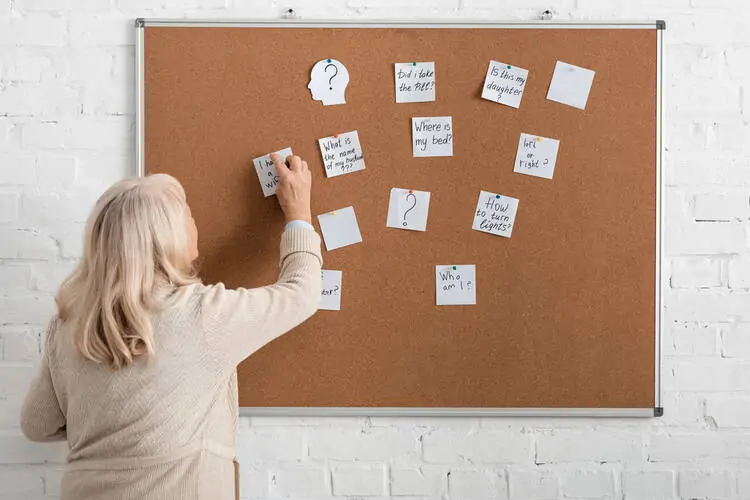
Today, we are going to look at some of the best bored activity ideas designed to reduce boredom, encourage participation, and spark creativity among residents.
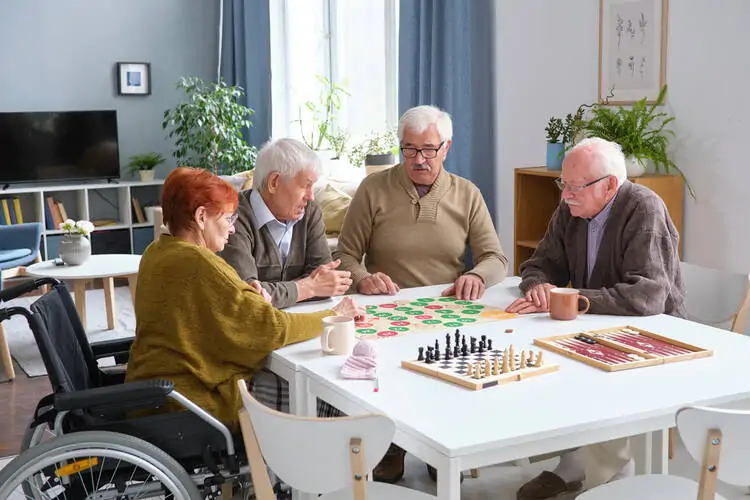
From interactive games and memory challenges to creative crafts and group discussions, these activities help build connection and joy within the community.
Best Bored Board Activity Ideas for Nursing Home Residents
-
Daily Trivia Challenge Board
A daily trivia board keeps residents mentally active by posting fun questions on general knowledge, history, or pop culture from their younger years.
Residents can write answers on sticky notes or discuss them in groups. This encourages memory recall, conversation, and friendly competition.
You can rotate categories each day to maintain interest. Trivia boards are especially helpful in reducing boredom because they stimulate the brain.
Small rewards or recognition can be added to increase participation and excitement among residents.
-
Word Puzzle and Crossword Board
A word puzzle board provides printed or pinned crossword puzzles, word searches, or scrambled words for residents to solve.
Large print versions ensure readability for seniors. Residents can work individually or in groups, making it both a quiet and social activity.
Staff can update puzzles weekly to keep things fresh. This activity helps improve cognitive function, focus, and vocabulary recall.
It also offers a calming and satisfying way to pass the time while keeping the mind engaged and active.
-
“Finish the Sentence” Board
This interactive board invites residents to complete simple prompts like “My favorite memory is…” or “I feel happiest when…”.
Participants can write answers on cards or sticky notes and attach them to the board.
It encourages self-expression and storytelling, which can reduce feelings of loneliness or boredom.
Sharing responses often leads to meaningful conversations among residents.
It is also a great way for staff to learn more about residents’ personalities, preferences, and life experiences in a fun and engaging format.
-
Riddle of the Day Board
A riddle board presents a daily brain teaser or puzzle for residents to solve.
The riddles can be easy or moderately challenging, depending on the group. Answers are revealed the next day to maintain anticipation.
This activity encourages critical thinking and group discussion, as residents often work together to solve the puzzles.
It adds excitement to daily routines and gives residents something to look forward to.
Over time, it helps improve mental alertness while keeping boredom at bay.
-
Memory Matching Board
A memory matching board uses paired images, words, or objects that residents must match.
Items can include pictures of everyday objects, famous landmarks, or familiar household items. Residents can participate individually or in teams.
This activity strengthens memory recall, attention to detail, and concentration. It is especially beneficial for residents with mild cognitive challenges.
The board can be updated regularly with new sets of images to keep the activity fresh and engaging.
-
“Would You Rather” Board
A “Would You Rather” board presents fun choice questions such as “Would you rather travel by train or plane?”
Residents can vote, discuss their answers, or explain their choices. This activity sparks conversation, laughter, and social bonding.
It is easy to set up and highly engaging because it invites opinions without right or wrong answers.
It also helps residents express preferences and share stories related to their choices. Updating questions regularly keeps the activity lively and enjoyable.
-
Coloring and Art Prompt Board
This board provides printed coloring pages or creative prompts such as “Draw your dream home” or “Color your favorite season.”
Residents can contribute their artwork and display it on the board. It encourages creativity, relaxation, and emotional expression.
Coloring is also known to reduce stress and improve focus. Displaying completed works builds pride and confidence among residents.
Rotating themes keeps the activity fresh and ensures ongoing participation from both artistic and non-artistic residents alike.
-
Joke of the Day Board
A joke board displays lighthearted jokes, puns, or funny quotes to bring humor into daily life.
Residents can also contribute their own jokes, making it interactive. Laughter helps reduce stress, improve mood, and strengthen social bonds.
This simple activity can brighten even dull days and encourage positive interactions among residents and staff. Updating jokes frequently ensures the content remains fresh and engaging.
-
Story Starter Board
A story starter board provides the beginning of a sentence, such as “One day I traveled to…” or “The funniest thing that ever happened to me was…”.
Residents complete the story in their own words, either verbally or in writing.
This encourages imagination, memory recall, and storytelling skills. Sharing completed stories can lead to group discussions and laughter.
It also helps residents reflect on personal experiences while keeping their minds active and engaged creatively.
-
Music Memory Board
A music board features song titles, lyrics, or famous artists from different decades.
Residents can identify songs, share memories connected to music, or request favorites for group listening sessions.
Music is strongly linked to memory and emotion, making this board especially powerful for engagement.
It reduces boredom by triggering nostalgia and encouraging participation. You can also include weekly themes like “60s hits” or “classic jazz.”
This creates excitement and helps residents connect through shared musical experiences.
-
Name That Object Board
A “Name That Object” board displays pictures or real-life items partially covered or zoomed in, and residents are asked to guess what they are.
It can include everyday household objects, old-fashioned tools, or nostalgic items from past decades.
Residents write or call out their guesses, encouraging participation and discussion.
This activity improves observation skills, memory recall, and social interaction.
It is especially engaging because it taps into familiar experiences while still providing a fun challenge. Updating the objects regularly keeps the game fresh and exciting.
-
This or That Voting Board
A voting board presents simple choices like “Tea or coffee?”, “Beach or mountains?”, or “Morning or evening?”
Residents place stickers or marks under their preferred option. This encourages easy participation, even for those with limited mobility or cognitive challenges.
It sparks conversation and helps residents learn more about each other’s preferences. Staff can change questions daily or weekly to keep interest high.
The simplicity of this activity makes it highly inclusive and a great boredom buster in daily routines.
-
Hidden Picture Reveal Board
A hidden picture board starts with an image covered by flaps or sticky notes. Residents slowly reveal sections by removing pieces and try to guess the picture before it is fully uncovered. It builds anticipation and excitement while encouraging teamwork.
This activity improves visual recognition, patience, and group engagement. It can feature animals, landmarks, or seasonal themes.
Once revealed, residents can discuss the image and share related memories, making it both entertaining and emotionally meaningful.
-
Compliment and Kindness Board
A kindness board invites residents and staff to write positive messages, compliments, or encouraging words to each other.
These notes are displayed for everyone to see. It helps build a warm, supportive environment where residents feel valued and appreciated.
This activity promotes emotional well-being and reduces feelings of loneliness. It also strengthens relationships within the facility.
Regularly refreshing messages keeps the board active and uplifting, making it a source of daily positivity and connection.
-
Finish the Picture Board
A creative drawing board starts with incomplete sketches, and residents are invited to finish them in their own style.
It could be a half-drawn animal, landscape, or object. Residents can add details, color, or imaginative elements.
This activity encourages creativity, fine motor skills, and self-expression. It is enjoyable for all skill levels because there is no right or wrong way to complete the image.
Displaying finished pieces gives residents pride and helps brighten shared spaces.
-
Seasonal Word Association Board
This board features a seasonal word like “summer” or “winter,” and residents add related words or memories.
For example, “summer” may bring words like “ice cream,” “sunshine,” or “vacation.” It encourages memory recall and group discussion.
Residents can also share personal stories connected to the season. This activity is simple but mentally stimulating and helps keep residents engaged.
Changing the seasonal theme regularly ensures ongoing participation and freshness throughout the year.
-
Guess the Sound Board
A sound-based board activity challenges residents to identify familiar sounds such as birds chirping, doorbells, or old household appliances.
Sounds can be played during group sessions, and residents guess what they are hearing.
This strengthens auditory memory and attention skills. It is also highly engaging because it stimulates senses beyond sight.
Many sounds may trigger nostalgic memories, leading to storytelling and conversation.
It is a fun and interactive way to reduce boredom and encourage participation.
-
Famous Faces Guessing Board
A board displays partially covered images of famous personalities from different eras, and residents guess who they are.
This can include actors, musicians, or historical figures familiar to older generations.
Residents enjoy recalling names and sharing memories associated with these individuals.
It encourages conversation and mental stimulation while also sparking nostalgia.
The difficulty level can be adjusted depending on the group, making it suitable for a wide range of cognitive abilities.
-
Daily Reflection Question Board
A reflection board posts simple daily questions such as “What made you smile today?” or “What is one thing you are grateful for?” Residents write their answers or share them verbally.
This activity encourages mindfulness, emotional expression, and positive thinking.
It helps reduce boredom by focusing attention on meaningful personal thoughts.
Group discussions often follow, creating deeper connections among residents. Regular updates keep the activity fresh and emotionally engaging.
-
Pair and Match Game Board
A matching board displays pairs of related items such as animals and their babies, countries and flags, or objects and uses. Residents are asked to connect the correct pairs.
This improves cognitive skills, memory, and concentration. It can be played individually or as a group activity.
The board can be updated frequently with new categories to maintain interest.
It is both educational and entertaining, making it a strong tool for reducing boredom and encouraging mental activity.