
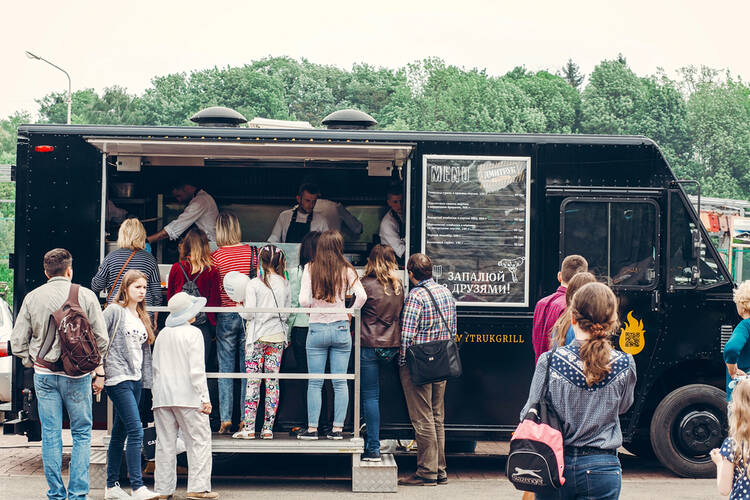
Box truck to food truck conversion is an increasingly popular way for entrepreneurs to start a mobile food business without the high cost of a traditional brick-and-mortar restaurant.
Of course, transforming a standard box truck into a fully functional food truck requires careful planning, attention to regulations, and thoughtful design.
The layout must accommodate cooking equipment, refrigeration, storage, and service counters while ensuring safety and efficiency.

Choosing durable, easy-to-clean materials and optimizing workflow can make daily operations smoother and more profitable.
In this article, we are going to explore important factors and tips to consider when doing a box truck to food truck conversion.
By following these tips, aspiring food truck owners can create a safe, functional, and appealing mobile food business that maximizes productivity and customer satisfaction.

Important Factors to Consider When Doing a Box Truck to Food Truck Conversion
-
Choosing the Right Box Truck Size

Selecting the appropriate box truck size is the foundation of a successful food truck conversion.
Smaller trucks (12–16 feet) are easier to maneuver, park, and maintain, but may limit kitchen space and equipment.
Larger trucks (18–26 feet) provide ample room for appliances, prep stations, and storage, but can be more difficult to drive and more expensive to operate.
Consider ceiling height for standing space, the truck’s payload capacity, and the type of cuisine you will serve.
The right size balances functionality, safety, and mobility, ensuring your operations run efficiently without compromising comfort or customer service.
-
Compliance with Health and Safety Codes

Food trucks must adhere to strict local, state, or provincial health and safety codes.
These regulations govern food handling, sanitation, waste disposal, ventilation, and fire safety. Failure to comply can result in fines, closure, or license revocation.
Before starting your conversion, research the rules in your area and ensure your design allows for inspections.
Plan for sinks, handwashing stations, refrigeration, and proper waste storage.
Using food-safe surfaces and materials also helps meet regulatory standards.
Compliance not only ensures legal operation but also protects customer health, builds credibility, and avoids costly modifications after the conversion is complete.
-
Efficient Kitchen Layout
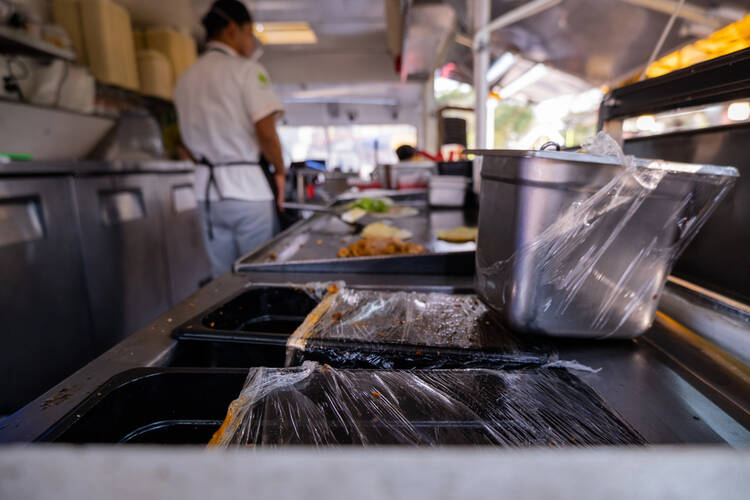
The kitchen layout is crucial for workflow efficiency in a food truck. A well-planned design ensures that cooking, prep, storage, and serving areas are logically arranged to minimize movement and maximize productivity.
Consider the “kitchen triangle” principle, placing cooking appliances, prep areas, and storage in a convenient triangular workflow.
Ensure adequate counter space for prep and plating, and leave room for movement without bumping into equipment.
An efficient layout helps staff work safely and quickly, reduces stress during peak hours, and improves service speed, directly influencing customer satisfaction and profitability.
-
Proper Ventilation System

Ventilation is critical in a food truck to maintain air quality, control temperature, and reduce grease buildup.
A commercial-grade hood with exhaust fans ensures smoke, odors, and heat are effectively removed from the cooking area.
Proper ventilation reduces fire risks, prevents condensation, and creates a safer and more comfortable working environment.
Depending on your menu, you may need additional vents or filtration systems.
A well-ventilated food truck keeps the interior cooler during high-heat cooking, extends the life of your appliances, and ensures compliance with health and fire regulations.
-
Electrical System Design
A reliable electrical system is essential for operating cooking equipment, refrigeration, lighting, and point-of-sale systems.
Plan your power needs carefully by calculating the wattage of all appliances. Decide between shore power, generator, solar panels, or a combination.
Use professional-grade wiring, breakers, and outlets to prevent overloads or fire hazards.
Consider placing outlets strategically for efficiency and easy access. A properly designed system ensures smooth operations, reduces downtime, and avoids costly repairs.
-
Plumbing and Water Systems
Food trucks require properly installed plumbing to maintain hygiene and comply with health codes.
Plan for fresh water storage, grey water tanks, and handwashing stations. Water heaters may be necessary for cleaning or cooking.
Ensure all plumbing is insulated and securely mounted to prevent leaks during movement.
A well-designed plumbing system supports safe food preparation, improves staff efficiency, and prevents contamination risks.
Efficient water management is critical to maintaining sanitation standards, keeping operations legal, and providing a safe environment.
-
Refrigeration and Storage
Choose commercial-grade refrigerators and freezers that fit your truck layout without obstructing movement.
Plan dry storage for non-perishable items, and secure shelving to prevent items from shifting during transit.
Proper temperature control is crucial to comply with health codes and prevent spoilage.
Storage planning also includes considering inventory rotation, accessibility during service, and safety, ensuring staff can work quickly while maintaining high-quality food standards.
-
Equipment Selection and Placement
Select appliances that fit your menu, space, and power capacity, such as fryers, grills, ovens, or steamers. Ensure equipment is easy to clean, maintain, and operate safely.
Placement should allow staff to move efficiently without obstruction, with prep areas and storage nearby.
Heavy or frequently used equipment should be securely anchored. Proper planning reduces accidents, improves speed, and enhances food quality.
Equipment choices directly impact the overall functionality of your food truck and its ability to serve customers effectively.
-
Weight Distribution and Vehicle Safety
Distribute heavy appliances, water tanks, and storage evenly across the truck’s chassis.
Avoid overloading any axle or corner, which can affect braking, handling, and tire wear.
Consider using lightweight materials where possible and securely mounting all equipment to prevent movement during transit.
Proper weight distribution enhances stability, reduces wear on the vehicle, and ensures staff safety.
Neglecting this aspect can lead to accidents, increased maintenance costs, or damage to both the truck and your investment.
-
Workflow and Staff Efficiency
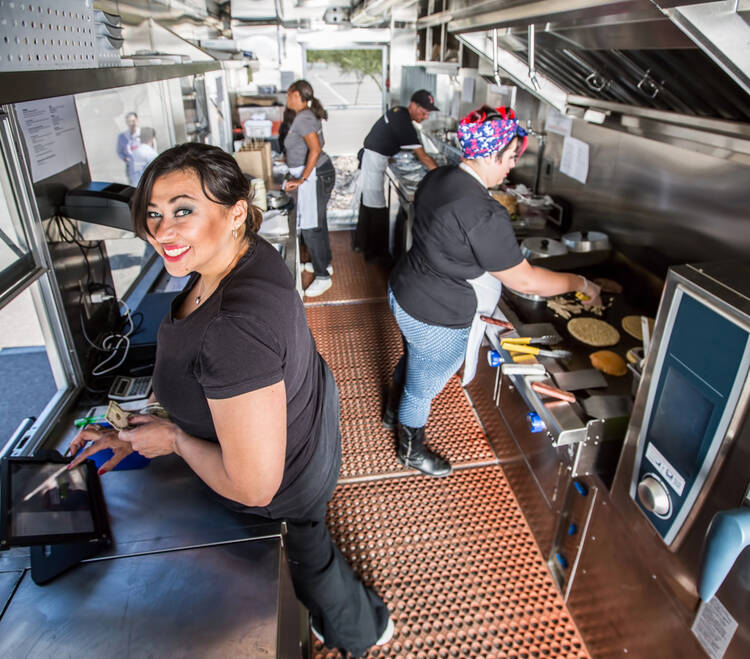
Ensure that cooking, prep, plating, and service areas are logically arranged, minimizing unnecessary movement.
Incorporate adequate counter space, handwashing stations, and easy access to storage and equipment.
Plan for at least two staff members to work comfortably without crowding.
Efficient workflow reduces service times, prevents mistakes, and maintains food quality.
By anticipating staff movements and peak activity patterns, you create a safer, more productive environment that can handle high customer volume and improve overall operational performance.
-
Lighting and Visibility

Bright, energy-efficient lighting ensures staff can see clearly when cooking, chopping, and plating food.
Consider task lighting over prep areas, cooking stations, and serving windows.
Exterior lighting near the service window improves visibility for customers and draws attention to your truck during evening events.
Well-placed lighting enhances safety, reduces mistakes, and improves the overall customer experience.
Both interior and exterior lighting should be energy-efficient and durable, designed to withstand heat, moisture, and vibrations from truck movement.
-
Flooring and Surface Materials
Non-slip, easy-to-clean materials such as stainless steel, commercial vinyl, or sealed epoxy reduce the risk of accidents and simplify daily cleaning.
Smooth, food-safe counters and prep surfaces prevent contamination and comply with health codes. Durable flooring withstands heavy foot traffic, spills, and dropped equipment.
Proper surface selection enhances staff efficiency and safety while ensuring the truck maintains a professional appearance.
Choosing high-quality, low-maintenance materials reduces long-term maintenance costs and ensures compliance with sanitation regulations.
-
Service Window Placement and Customer Interaction

Position windows for easy access and visibility while allowing staff to move efficiently inside.
Consider multiple windows for larger trucks to serve more customers simultaneously.
Ensure windows are at a comfortable height for both staff and customers, and consider incorporating sneeze guards if necessary.
Properly designed windows contribute to operational efficiency, better customer satisfaction, and a professional, approachable appearance for your food truck business.
-
Storage for Utensils and Small Equipment
Install shelves, hooks, and compartments to keep items secure during transit and easy to access during service.
Label storage areas for efficiency and safety. Proper storage prevents clutter, reduces prep time, and minimizes the risk of accidents.
Efficient organization also ensures compliance with health codes by keeping food and equipment separated.
Thoughtful storage planning allows staff to work quickly, maintain cleanliness, and focus on customer service without wasting time searching for necessary tools.
-
Budgeting and Cost Planning
Budgeting is critical when converting a box truck into a food truck. Costs include purchasing the truck, kitchen equipment, plumbing, electrical systems, ventilation, permits, insurance, and unexpected modifications.
Include a contingency fund for unforeseen expenses such as repairs or design adjustments.
Careful financial planning prevents project delays and overspending. A realistic budget ensures the conversion is completed efficiently while maintaining high operational standards.