

One of the biggest mistakes you can make when starting a food truck is trying to sell too many different foods.
A menu with 30 unrelated dishes might look impressive, but it can leave you struggling with expensive ingredients, wasted stock, slow service and a kitchen that is too small to handle everything.
The better approach is to choose a few food items that customers already enjoy, give them a distinctive twist, and prepare them consistently well.
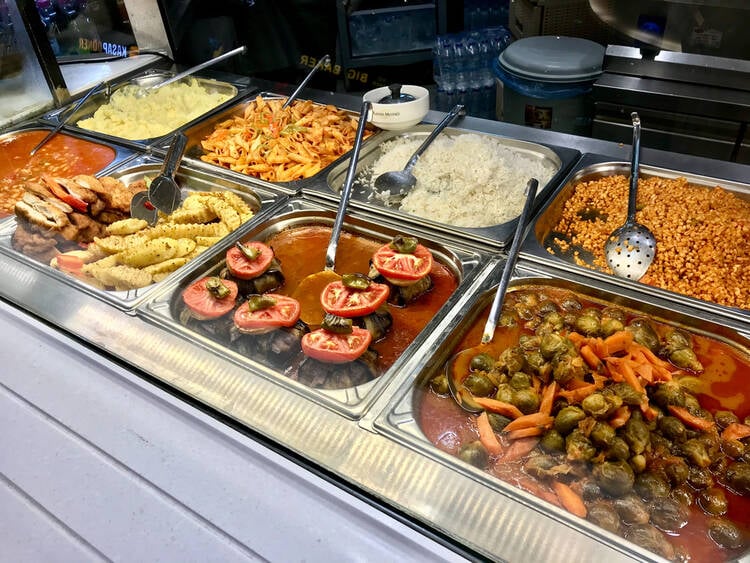
For example, a truck that specializes in smash burgers, loaded fries and homemade lemonade may be easier to operate and market than one selling burgers, sushi, pizza, tacos and noodles from the same kitchen.
If you are starting a food truck business, you should consider three things before choosing your menu: how much each item costs to produce, how quickly you can serve it during busy periods, and whether customers in your preferred location are willing to pay your asking price.
Here are 42 practical food truck menu ideas worth considering. You do not need to sell all of them.

Instead, use the list to identify a strong concept and build a focused menu around it.
Breakfast and Morning Food Truck Menu Ideas
Breakfast can be a good market if you operate near office buildings, transport stations, construction sites, universities or other places where people need something convenient before starting their day.
1. Breakfast Burritos

Breakfast burritos are a practical food truck item because they are filling, portable and easy for customers to eat without needing a table.
You can prepare them with scrambled eggs, potatoes, cheese, sausage, bacon, beans, vegetables and salsa. Rather than offering ten different combinations, start with three: a classic breakfast burrito, a spicy meat version and a vegetarian option.
The important thing is to keep your ingredients manageable. For example, the same eggs, cheese and cooked sausage can also be used for breakfast sandwiches.
Wrap the burritos securely in food-grade paper or foil, and make sure any preprepared ingredients are stored and reheated safely.
2. Bacon, Egg and Cheese Breakfast Sandwiches
If your food truck operates during the morning commute, bacon, egg and cheese sandwiches are worth considering.
You can serve them on toasted brioche buns, English muffins, bagels or sourdough bread. Add sausage, avocado or grilled vegetables as optional upgrades.
These sandwiches can be assembled quickly when your ingredients are organised properly.
They also pair naturally with coffee, making it easier to sell a breakfast-and-drink combination.
Keep your menu simple, especially if you are preparing eggs to order. A complicated breakfast menu can quickly create delays when several customers arrive at the same time.
3. Loaded Breakfast Bowls

Breakfast bowls are a useful alternative for customers who want a filling meal without bread or tortillas.
A typical bowl might include roasted potatoes, scrambled eggs, sausage, beans, cheese, peppers and a signature sauce.
You can create several versions using largely the same ingredients. For example, a vegetarian bowl can replace sausage with mushrooms and beans, while a protein-focused version can contain additional eggs or chicken.
Breakfast bowls are particularly suitable for trucks serving office workers or customers who prefer meals they can eat with a fork.
Use sturdy containers with secure lids, and avoid adding so much sauce that the potatoes become soggy before the customer starts eating.
4. Biscuits and Sausage Gravy

Biscuits and sausage gravy can work well for a Southern-style breakfast food truck, especially in locations where customers enjoy traditional American comfort food.
The dish consists of freshly baked or properly reheated biscuits topped with a savory sausage gravy.
One advantage is that the ingredients are relatively familiar and the gravy can be prepared in controlled batches. However, biscuits can become soggy when left sitting in gravy for too long.
Serve the gravy separately for takeaway orders when necessary, and consider offering an optional egg or breakfast potato side.
This is better suited to a truck that specializes in hearty breakfast meals than one focused on light grab-and-go snacks.
5. Yogurt Parfaits and Fresh Fruit Cups

Not every breakfast customer wants something hot, fried or heavy. Fresh fruit cups and yogurt parfaits give you an alternative.
You can offer cups containing seasonal fruit, with yogurt, granola, nuts or seeds as optional additions.
This item is particularly useful if you already operate a coffee, smoothie or breakfast truck because it requires relatively little additional cooking equipment.
However, fruit preparation, spoilage and refrigeration must be managed carefully.
Choose fruits that hold their appearance and texture reasonably well, and prepare quantities based on expected demand.
You can sell these as standalone snacks or as part of a breakfast combination.
6. Chicken and Waffles
Chicken and waffles combine crispy chicken with sweet waffles, usually accompanied by syrup, honey or a spicy sauce.
This can be an attractive signature item for a breakfast, brunch or comfort-food truck. Customers can order a full portion or a smaller handheld version.
To make service manageable, standardize your chicken portions and waffle sizes.
You should also decide whether your kitchen can handle preparing both products during peak periods.
The same chicken can potentially be used for a chicken sandwich, while the waffle equipment can support a limited dessert menu.
Keep sauces separate for takeaway orders to prevent the chicken and waffles from losing their texture.
Burgers, Sandwiches and Wraps
Burgers, sandwiches and wraps remain useful food truck products because customers recognize them, they are portable, and many can be prepared using a griddle, fryer or compact grill.
7. Smash Burgers
Smash burgers are an appealing option if you want to build a food truck around a small, focused menu.
They are made by pressing portions of ground beef onto a hot griddle to create thin patties with a browned crust.
You can start with a classic cheeseburger, a double smash burger and one signature burger featuring caramelized onions or a distinctive sauce.
Instead of adding many unrelated toppings, concentrate on beef quality, bun texture, proper seasoning and consistent cooking.
Smash burgers also work well with fries, making it easy to create a burger-and-fries combination.
However, griddle capacity and safe handling of raw ground meat are important operational considerations.
8. Crispy Chicken Sandwiches
Crispy chicken sandwiches are worth considering if you want an alternative to beef burgers.
You can offer a classic fried chicken sandwich with pickles and mayonnaise, a spicy version with hot sauce, and a grilled chicken option if your equipment allows.
Chicken sandwiches can generate repeat demand when the breading, seasoning and sauce are distinctive.
However, fried chicken requires careful management of cooking temperatures, oil quality and holding times.
You should not overload your fryer with several unrelated menu items if it slows service.
A focused chicken sandwich truck can also sell fries, coleslaw and a small selection of drinks.
9. Philly Cheesesteak Sandwiches

Philly cheesesteaks are made with thinly sliced beef, melted cheese and a long sandwich roll, often accompanied by onions and peppers. They are especially suitable for trucks equipped with a flat-top griddle.
You can offer a traditional cheesesteak, a mushroom cheesesteak and a spicy version using the same core ingredients.
The main commercial consideration is the cost of beef. Because meat is usually the dominant ingredient, your portion control and supplier prices will have a significant effect on the money you make from each sale.
These sandwiches can work particularly well around lunch, sporting events and evening entertainment locations.
10. Beef and Lamb Gyros

Gyros are a popular Mediterranean-style street food consisting of seasoned meat served in pita bread with vegetables and sauces such as tzatziki.
A gyro-focused truck can offer beef and lamb, chicken, or a vegetarian alternative.
Customers can order their gyros as wraps or plates with rice, salad and fries.
This gives you flexibility without requiring a completely different set of ingredients for each menu item.
However, you need to consider the equipment required for cooking and safely holding the meat.
A vertical rotisserie may make sense for a specialist gyro truck but could be impractical for a truck selling unrelated cuisines.
11. Chicken Shawarma Wraps

Chicken shawarma is another useful handheld street food option, particularly if you want to build a Middle Eastern-inspired menu.
You can serve marinated chicken in pita or flatbread with lettuce, tomatoes, pickled vegetables, garlic sauce and tahini.
Shawarma also gives you the opportunity to sell rice plates and loaded fries using the same prepared protein. That ingredient overlap can help control waste and simplify purchasing.
To differentiate your truck, develop a memorable marinade and one or two house sauces rather than relying on a long list of fillings.
12. Cuban Sandwiches

A traditional Cuban sandwich combines roast pork, ham, Swiss cheese, pickles and mustard in bread that is pressed and toasted.
This is a practical menu item for a sandwich-focused food truck because much of the preparation can be completed before service.
You can roast and portion the pork in advance, then assemble and press the sandwiches when customers order.
The main challenge is ensuring that the bread stays crisp and the fillings are heated appropriately without drying out.
A Cuban sandwich truck could also offer a vegetarian pressed sandwich and a small selection of sides.
13. Gourmet Hot Dogs
Hot dogs are relatively straightforward to prepare, making them worth considering for food trucks serving festivals, sports grounds and late-night customers.
The opportunity is to offer something more interesting than a plain sausage in a bun.
For example, you can sell a classic hot dog with mustard and onions, a chili-cheese dog or a specialty sausage topped with sauerkraut and pickles.
You can also offer vegetarian sausages if there is sufficient demand. Use a limited range of toppings that can be prepared ahead of time.
This allows customers to personalise their orders without creating a complicated kitchen operation.
14. Gourmet Grilled Cheese Sandwiches

Grilled cheese sandwiches are a good example of turning a familiar food into a specialty product.
You can offer a classic cheese melt, a chicken and caramelised onion melt, or a tomato and mozzarella sandwich.
The equipment requirements are relatively manageable if you already have a griddle or sandwich press.
What matters most is choosing suitable bread and cheese, ensuring consistent browning, and avoiding fillings that make the sandwich soggy.
Consider pairing your sandwiches with tomato soup during cooler months or serving them with fries for a more filling meal.
15. Falafel Pita Sandwiches

Falafel sandwiches are useful if you want a vegetarian-friendly food truck concept without depending on expensive meat substitutes.
Falafel is typically prepared from chickpeas or fava beans with herbs and spices.
It can be served in pita bread with vegetables, pickles, hummus and tahini sauce. You can also sell falafel bowls using the same ingredients.
For customers who avoid animal products, make sure your bread, sauces and preparation methods are suitable before advertising an item as vegan.
A falafel-focused truck can appeal to customers looking for filling plant-based meals, particularly around universities, business districts and food markets.
16. Lobster Rolls

Lobster rolls are a premium food truck item made with lobster meat served in a toasted, buttered roll.
They can work in coastal destinations, seafood markets, tourist areas and events where customers are willing to spend more on specialty food.
However, this is not an ideal choice for every truck. Lobster is expensive, highly perishable and sensitive to supply price fluctuations.
You should calculate your costs carefully and consider a limited daily quantity rather than buying more seafood than you can sell.
A seafood truck can also offer shrimp rolls or other products that use compatible ingredients, but the cold-chain and allergen-management requirements must be taken seriously.
Tacos, Pizza and International Street Food
17. Baja-Style Fish Tacos

Fish tacos are a practical menu option for a seafood or Mexican-inspired food truck.
You can use battered or grilled fish served in soft tortillas with cabbage slaw, salsa, lime and a creamy sauce.
The combination of crispy fish and fresh vegetables gives the product a distinctive texture without requiring a long list of ingredients.
However, the cost of fish can vary considerably. You should choose a suitable species based on quality, availability and the price your customers can afford.
Fish tacos are best assembled shortly before serving so the tortillas and coating do not become soggy.
18. Birria Tacos
Birria tacos are an option for a truck specialising in Mexican street food. They are commonly made with slow-cooked, seasoned meat served in tortillas, often with melted cheese and a small portion of cooking broth for dipping.
The main advantage is that much of the meat preparation takes place before service.
Once the meat is ready, individual orders can be assembled and finished on a griddle.
However, birria requires careful recipe development, portion control and safe handling of cooked meat and broth.
You can also use the same meat for birria quesadillas or rice bowls without introducing a completely separate protein.
19. Barbecue Chicken Pizza and Flatbreads
Pizza can work well from a food truck, particularly if you use equipment designed for fast cooking and a limited menu.
Barbecue chicken pizza is one option, with cooked chicken, barbecue sauce, cheese and red onions.
You can also sell classic cheese pizza, pepperoni pizza and vegetarian flatbreads.
Smaller flatbreads may be particularly suitable for food trucks because they can be easier to portion and package than large pizzas.
Before choosing this concept, examine your oven capacity, power requirements, preparation space and expected cooking time.
A pizza truck should usually focus on a few popular flavours rather than trying to reproduce the entire menu of a full-service pizzeria.
20. Quesadillas
Quesadillas are tortillas filled with cheese and optional ingredients such as chicken, beef, mushrooms or vegetables, then toasted until the cheese melts.
They are convenient for food trucks because they can be prepared on a griddle and cut into portions.
If you already operate a taco or burrito truck, quesadillas allow you to use existing tortillas, cheese, meat and sauces.
That makes them a useful additional product without creating a large number of new inventory items.
You can sell them with salsa, sour cream or guacamole, but portion your sauces carefully so the cost of extras does not erode the contribution from each sale.
21. Mini Meat Pies and Empanadas
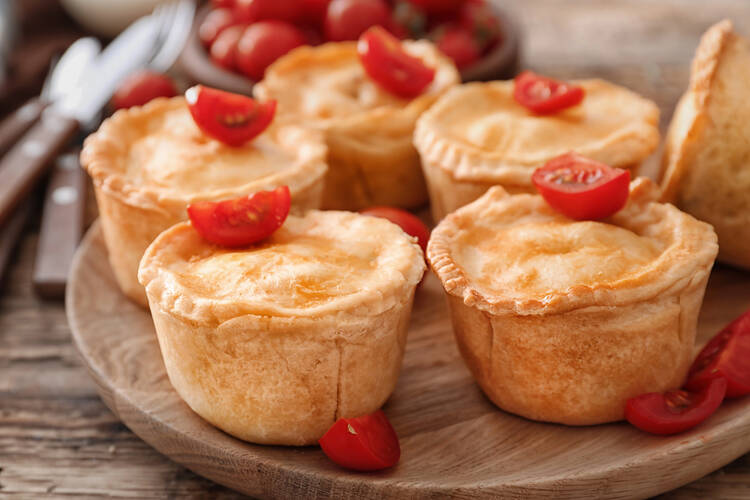
Handheld savory pastries are useful for trucks serving customers who want a filling snack they can eat while walking.
You can specialize in meat pies, empanadas or another regional pastry, depending on your target market.
Fillings might include seasoned beef, chicken, cheese, mushrooms or vegetables.
These products can be prepared in batches, although the pastry must be baked or fried correctly and held at safe temperatures.
You could sell individual pastries or create a meal deal with two pastries and a drink.
The main commercial consideration is consistency. Customers should receive enough filling in every portion without the pastry becoming greasy or soggy.
22. Chicken or Pork Satay Skewers
Satay skewers are a useful concept for a Southeast Asian-inspired food truck.
They consist of marinated meat threaded onto skewers and grilled, commonly served with peanut sauce and accompaniments such as rice or cucumber salad.
You can sell a small serving as a snack or a larger plate with rice as a complete meal.
However, skewers require preparation time, careful portioning and enough grill capacity to serve customers quickly.
Peanut sauce also presents an important allergen consideration. Your staff must know the ingredients and take steps to avoid cross-contact.
23. Chicken Tamales
Tamales are a traditional Mesoamerican food made using corn masa and fillings wrapped in corn husks or leaves before steaming.
Chicken, pork, cheese and vegetable fillings are common options.
They can work for a truck specializing in traditional Mexican food because much of the preparation is completed before the customer arrives.
However, tamales are labor-intensive, and you need to determine whether your selling price will adequately cover preparation time.
A sensible approach is to offer a limited number of fillings and prepare quantities based on expected demand.
24. Bao Buns
Bao buns are soft steamed buns that can be filled with ingredients such as braised pork, crispy chicken, mushrooms or vegetables.
They can make an attractive food truck concept because they are handheld and allow you to offer several flavor combinations using the same basic bun.
You can sell two or three buns as a meal, with a small side or drink. However, you will need reliable steaming and holding equipment to maintain the desired texture.
Focus on a limited range of fillings and sauces so orders can be assembled quickly.
25. Arepas
Arepas are corn-based flatbreads commonly associated with Venezuelan and Colombian cuisines.
Depending on the style, they can be split and filled with shredded meat, cheese, beans, avocado or vegetables.
They are worth considering if you want a distinctive handheld product that differs from conventional burgers and sandwiches.
A specialised arepa truck can offer a small menu built around three or four fillings, allowing you to reuse sauces and ingredients.
Do not assume customers are already familiar with the dish. Clear menu descriptions and photographs can help explain what you are selling.
Rice Bowls, Noodles and Hearty Meals
26. Korean Beef and Rice Bowls
Korean-inspired beef bowls are a practical lunch option built around rice, seasoned beef, vegetables and a savoury sauce.
You can use sliced beef or another appropriate cut, depending on your preferred recipe and food costs.
These bowls appeal to customers who want a filling meal that can be eaten from one container.
You can also offer chicken and tofu versions using compatible vegetables, rice and sauces.
The commercial advantage is the opportunity to prepare rice and vegetables in controlled batches while cooking or finishing proteins as orders arrive.
Good portion control is particularly important because adding extra meat to every serving can quickly increase your costs.
27. Caribbean Jerk Chicken Bowls
Jerk chicken is a useful product for a Caribbean-inspired food truck. You can serve seasoned grilled chicken over rice and peas with cabbage slaw, plantains or a suitable sauce.
A jerk chicken bowl provides a complete meal, and you can use the same prepared chicken for wraps or sandwiches if those products fit your concept.
The signature value comes from the seasoning and cooking method, so invest time in developing a consistent recipe.
You should also offer an appropriate heat level for customers who enjoy Caribbean flavours but prefer less spicy food.
28. Loaded Fries
Loaded fries can be a strong supporting product for burger, chicken, barbecue and Mexican-style food trucks.
Instead of selling plain fries alone, you top them with ingredients such as cheese sauce, seasoned beef, pulled chicken, jalapeños, onions or signature sauces.
The benefit is that you can create a distinctive product using ingredients already available for your main dishes.
For example, a burger truck can use its cheese sauce and cooked beef to create cheeseburger-loaded fries.
However, you should control the quantity of toppings and package the fries so they do not become soggy.
Loaded fries can work as either a side dish or a full meal, depending on the portion.
29. Canadian-Style Poutine
Poutine is a Canadian dish traditionally made with fries, cheese curds and gravy.
Although it shares some ingredients with loaded fries, it has a distinctive identity and can form the basis of a specialist comfort-food menu.
You can offer a traditional version and carefully chosen variations with pulled meat or mushrooms.
The main considerations are finding suitable cheese curds, preparing consistent gravy and serving the fries immediately.
If you cannot obtain the ingredients customers expect from authentic poutine, avoid marketing an unrelated cheese-and-gravy dish as the traditional version.
30. Gourmet Macaroni and Cheese
Macaroni and cheese is a familiar comfort food that can be turned into a food truck specialty.
You can sell a classic cheese version, a barbecue meat version and a spicy variation with jalapeños or other toppings.
One advantage is that pasta and cheese sauce can support several menu combinations without requiring completely different recipes.
However, you need to manage the consistency of the sauce and avoid keeping prepared pasta for so long that it becomes soft or dry. Smaller cups can also work as sides for barbecue or sandwich trucks.
31. Fish and Chips
Fish and chips remain a practical menu concept for coastal areas, tourist destinations and places where customers enjoy traditional fried seafood.
You can serve battered fish with fries, tartar sauce, lemon and a small side of coleslaw.
It is also possible to offer grilled fish for customers who prefer an alternative to fried seafood.
The biggest operational considerations are fish quality, fryer capacity, oil management and safe storage.
Because fish can be expensive and spoil quickly, plan your purchases carefully rather than preparing large quantities without a reliable estimate of demand.
32. Shrimp Pad Thai
Pad Thai is a Thai noodle dish prepared with rice noodles, sauce, vegetables and protein, often finished with lime and peanuts.
A shrimp version can be attractive for a truck specialising in Thai or Southeast Asian street food.
You can also offer chicken or tofu alternatives using the same noodles and core ingredients.
The challenge is cooking speed. A wok-based food truck must have enough heat, ventilation and preparation space to produce consistent dishes during busy periods.
Keep the menu narrow and prepare ingredients in measured portions before service.
Also consider the allergen risks associated with peanuts, shrimp and other ingredients used in the sauce.
33. Ramen and Noodle Bowls
Ramen and other noodle bowls can work for a truck serving lunch or evening meals, especially in cooler weather.
You can offer a chicken broth bowl, a spicy beef noodle bowl and a vegetarian version using suitable stock.
The attraction is the combination of noodles, broth, vegetables and protein in one satisfying meal.
However, a soup-based menu can be challenging for takeaway service. You need suitable containers that prevent leaks and allow customers to transport hot food safely.
Consider packaging the noodles and broth separately for orders that will not be eaten immediately.
34. Loaded Baked Potatoes
Loaded baked potatoes are a relatively simple food truck idea that can work well when you want to offer filling meals with customisable toppings.
You can serve large baked potatoes with cheese, beans, sour cream, barbecue chicken, chilli or vegetables.
Potatoes provide a consistent base, while toppings allow you to offer different meal options.
This model can be especially useful if you already sell barbecue meats or other prepared proteins that can also be used as potato fillings.
The important thing is to establish an efficient method for baking, holding and finishing potatoes without compromising food safety or quality.
35. Mediterranean Grain and Protein Bowls
If you want to serve customers looking for meals with vegetables, grains and protein, Mediterranean-style bowls are worth considering.
You can build them around rice, couscous or another suitable grain, adding chicken, chickpeas, roasted vegetables, salad and a dressing.
These bowls can be customized without requiring a completely separate kitchen setup for each version.
You might offer a grilled chicken bowl, a falafel bowl and a roasted vegetable bowl.
However, fresh produce can spoil quickly, so you should track demand and avoid preparing more salad ingredients than you can reasonably sell.
Clear ingredient and allergen information can also help customers choose suitable combinations.
Desserts, Sweet Treats and Drinks
Desserts and beverages can be useful additions to a focused food truck menu. Some can also support a dedicated dessert or coffee truck, particularly at festivals, parks, tourist attractions and evening events.
36. New Orleans-Style Beignets
Beignets are pieces of fried dough traditionally served with powdered sugar.
They can work for a dessert or coffee truck because customers often purchase them as a snack rather than a full meal.
Serving them fresh is particularly important. The texture is part of the experience, and beignets can become less appealing after sitting for too long.
You could sell them in small portions with coffee or hot chocolate. A specialist dessert truck can also offer a few dipping sauces, but there is no need to create a long menu of unrelated pastries.
37. Churros with Dipping Sauces
Churros are another fried dessert suitable for food trucks, particularly those serving customers at festivals, markets and entertainment events.
You can serve them coated in cinnamon sugar, with chocolate, caramel or another dipping sauce.
The basic product is relatively straightforward, but maintaining consistent texture is essential.
Churros are best sold fresh, so make sure your equipment can keep up with demand without creating long queues.
You can increase the average order value by offering a dessert-and-drink combination or a sharing portion.
38. Sweet Crêpes
Crêpes are thin pancakes that can be folded or rolled around sweet fillings.
Popular combinations include chocolate and banana, strawberries and cream, or caramelized apples.
A crêpe truck can be particularly suitable for tourist destinations, shopping areas and events where customers enjoy watching food being prepared.
However, crêpes require a suitable cooking surface and an operator who can prepare them consistently.
You should limit the number of fillings and consider how easily customers can carry the finished product.
For more options, you can explore additional food truck dessert menu ideas.
39. Ice Cream Sandwiches
Ice cream sandwiches are a practical dessert option for a truck operating in warm weather, at outdoor events or near tourist attractions.
You can serve ice cream between cookies, brownies, waffles or other suitable baked products.
The main attraction is customization. Customers can choose a flavor combination without requiring you to manufacture a large variety of desserts.
However, this concept depends on reliable frozen storage, suitable packaging and careful management of melting during service.
If your truck has limited refrigeration capacity, a simpler dessert may be more practical.
40. Fresh Lemonade and Flavored Iced Tea
Cold drinks can be a useful addition to food truck menus, particularly at summer festivals, outdoor markets and sporting events.
Fresh lemonade and iced tea allow you to offer alternatives to bottled soft drinks.
You can start with classic lemonade, strawberry lemonade and a lightly sweetened iced tea.
Rather than stocking many different syrups and flavors, choose a few combinations that customers can understand quickly.
You should also consider cup sizes, ice costs, safe water supplies and the time required to prepare each drink.
Drinks can be bundled with meals, helping you make better use of customers who are already purchasing food.
41. Specialty Coffee and Cold Brew
Coffee can be a strong food truck concept if you operate near offices, commuter routes, markets or events where people regularly purchase hot beverages.
You can sell espresso, cappuccino, latte and cold brew, with a limited range of milk alternatives.
A coffee-focused truck can also offer breakfast sandwiches, pastries and other simple complementary products.
The important considerations are equipment reliability, water supply, power requirements and the skill needed to prepare consistent drinks.
You should also calculate how many drinks your machine and staff can realistically produce during the busiest part of the morning.
42. Smoothies and Açaí Bowls

Smoothies and açaí bowls can appeal to customers who prefer fruit-based snacks, breakfast options or lighter meals.
You can offer combinations using fruit, yogurt, milk alternatives and suitable toppings.
Açaí bowls generally contain a thick blended açaí base with toppings such as fruit and granola.
However, frozen ingredients, specialist products and fresh fruit can be expensive.
They also require reliable refrigeration and blending equipment. You should avoid offering too many combinations at once.
A small selection of popular flavors and optional add-ons will usually be easier to manage than a long customization menu.
Which Food Truck Menu Ideas Are Best for Your Budget and Equipment?
Before choosing a menu, consider what your truck can realistically prepare and how much equipment you will need. The table below compares several food truck concepts based on their operating requirements.
| Menu Concept | Main Equipment | Best Customer Market | Main Business Consideration |
|---|---|---|---|
| Smash burgers and fries | Griddle, fryer and refrigeration | Lunch, festivals and evening crowds | Competition, meat costs and cooking capacity |
| Breakfast sandwiches and burritos | Griddle, toaster and refrigeration | Office workers and commuters | Fast morning service and location |
| Gyros and shawarma | Suitable meat-cooking equipment and refrigeration | Lunch, markets and late-night customers | Meat preparation, equipment and holding procedures |
| Rice bowls | Rice cookers, hot holding and cooking equipment | Office lunches and business districts | Portion control and safe cooked-rice handling |
| Pizza and flatbreads | Commercial pizza oven and preparation station | Events, evening trade and family markets | Oven capacity, power and preparation time |
| Loaded fries and comfort food | Fryer, hot holding and sauce equipment | Festivals, sports and late-night trade | Topping costs and maintaining food texture |
| Coffee and pastries | Espresso machine, grinder and refrigeration | Commuters, offices and morning markets | Power, water supply and fast drink preparation |
| Smoothies and açaí bowls | Blenders, freezers and refrigeration | Fitness areas, markets and warm-weather locations | Frozen storage, fruit costs and seasonality |
| Churros and dessert crêpes | Fryer or crêpe griddle and topping station | Festivals, tourist areas and evening events | Fresh preparation and event-dependent sales |
How to Choose Food Truck Menu Items That Actually Make Money
A food truck menu should not be judged only by how delicious the food looks.
You also need to understand what it costs to produce each item and whether you can serve enough customers to cover your operating expenses.
Here are five practical steps to follow:
1. Start with a focused menu
Choose approximately four to eight core items rather than attempting to sell every dish on this list. You can introduce specials once you understand customer demand.
2. Use ingredients across several products
If you already buy chicken for sandwiches, consider whether it can also support a rice bowl or loaded fries. This reduces the number of separate ingredients you need to stock.
3. Calculate the cost of every serving
Include ingredients, sauces, cooking losses, packaging and payment-processing charges.
Compare the selling price with these direct costs before accounting for labor, rent, fuel, permits, insurance and other overheads.
4. Test how quickly you can serve customers
A dish that takes too long to prepare may become a problem at festivals and lunch locations where customers expect fast service.
5. Track sales and waste
Record which products customers buy most often, which generate a useful contribution toward overheads, and which leave you with unsold ingredients.
You should also make sure your food preparation, storage, handwashing facilities and handling procedures comply with the requirements of the local health authority.
Proper temperature control, allergen management and protection against cross-contamination are essential, particularly when working with meat, seafood, cooked rice, dairy products and other perishable ingredients.
If your main customers are festival visitors, you can also explore ways to develop a distinctive street food concept.
If you intend to specialise in plant-based meals, consider additional vegan food truck menu ideas before finalising your menu.