If you came to me asking what type of green business you should start today, I would advise you not to choose a business simply because it sounds environmentally friendly.
Look for an environmental problem that people or businesses already spend money trying to solve. That distinction matters.
A business that reduces a factory’s electricity bill, helps a landlord install solar power, repairs expensive electronics, collects commercial waste, maintains EV chargers or cuts a hotel’s water consumption has a clear financial reason for customers to pay.
That is where many of the strongest green business opportunities are moving.

The green economy is also much broader than renewable energy. It now includes energy efficiency, electric transportation, battery storage, recycling, refurbishment, sustainable cooling, water conservation, low-waste packaging, environmentally friendly construction and software that helps businesses manage their energy and waste.
So, if you want to build a business with relevance beyond the next few years, I would pay particular attention to businesses that help customers save energy, reduce waste, extend the life of products, comply with environmental requirements or operate more efficiently.
Are Green Businesses Still Worth Starting?
Yes, but some green businesses have much better commercial prospects than others.
For example, simply opening a shop and selling products labelled “eco-friendly” does not automatically give you a strong business. Customers still care about price, convenience, quality and whether the product solves a real problem.
On the other hand, businesses connected to solar power, battery storage, efficient cooling, building retrofits, recycling, refurbishment and electric transportation have something important working in their favor: they can often save the customer money as well as reduce environmental impact.
That makes them easier to sell. My advice is to think about green businesses in three groups:
- Businesses that save customers money: solar installation, energy auditing, insulation, efficient HVAC systems and water-saving services.
- Businesses that recover value from waste: electronics refurbishment, recycling, composting, furniture restoration and reusable packaging.
- Businesses positioned around changing infrastructure: EV charging, battery storage, smart buildings and distributed energy systems.
Those are the areas I would study first if you want a business with long-term potential.
50 Profitable Green and Eco-Friendly Business Ideas
Renewable Energy and Energy-Efficiency Business Ideas
1. Solar Panel Installation Business
If you have enough capital to build a technical team, solar installation is one of the first green businesses I would investigate.
You can install systems for homes, offices, shops, factories, farms, schools and other properties.
You do not necessarily need to manufacture panels. Your business can make money from system design, equipment sales, installation, electrical work and after-sales maintenance.
For a beginner, I would recommend concentrating on one customer segment first instead of trying to serve everyone.
Small businesses with expensive or unreliable electricity, for example, can be a particularly attractive market.
2. Battery Energy Storage Installation Business
Solar power increasingly goes hand in hand with batteries. Customers want to store electricity generated during the day and use it at night or during outages.
You can build a business designing and installing battery systems for homes, commercial buildings, warehouses and industrial customers.
This is more technical than merely reselling batteries. Proper sizing, electrical protection, battery management and installation quality will determine whether customers trust you.
3. Solar Panel Cleaning and Maintenance Business
If a full solar installation company requires more capital than you want to invest, consider servicing systems that have already been installed.
Solar panels, inverters, wiring, batteries and mounting systems require inspection and maintenance.
Commercial solar installations can be particularly attractive because one customer may have hundreds or thousands of panels.
A recurring maintenance contract gives you something many installation businesses lack: predictable repeat revenue.
4. Home and Commercial Energy Auditing
An energy auditor examines a property and identifies where electricity or heating and cooling costs are being wasted.
You might inspect insulation, lighting, air conditioning, appliances, windows, building controls and other systems before recommending improvements.
The better business model is not simply charging for the inspection. You can also earn by coordinating or supplying the recommended upgrades.
5. Energy-Efficient Building Retrofit Business
Millions of existing buildings were constructed before modern energy-efficient technologies became common. That creates a business opportunity.
You can upgrade lighting, insulation, windows, controls, ventilation and other building systems to reduce energy consumption.
I particularly like this business when it targets commercial properties because you can sell the upgrade based on operating-cost savings rather than environmental benefits alone.
6. Energy-Efficient HVAC and Cooling Business
Cooling is becoming an increasingly important business opportunity, especially in hot countries and rapidly growing cities.
You could install and maintain high-efficiency air-conditioning equipment, smart thermostats, variable-speed systems and other cooling technologies that lower electricity consumption.
Hotels, supermarkets, offices, hospitals and cold-storage businesses can make particularly attractive customers because cooling represents a significant operating expense.
7. Smart Building Energy Management Business
Instead of simply installing equipment, you can help building owners monitor exactly where their energy is being consumed.
Smart meters, sensors and building-management software can identify unnecessary lighting, excessive cooling, equipment running after hours and unusual energy consumption.
This creates opportunities for businesses that install monitoring hardware and charge monthly fees for energy-management services.
8. Solar Cold Room Business
Cold storage presents a particularly interesting opportunity in areas where farmers, food distributors and retailers struggle with unreliable electricity.
A solar-powered cold room can help preserve vegetables, fruits, fish, meat, dairy products and medicines.
You could sell and install systems or operate the cold room yourself and charge customers according to the quantity stored or number of crates used.
9. Off-Grid Power Systems Business
Not every customer can depend on the conventional electricity grid.
Farms, remote businesses, tourism sites, construction operations, telecommunications sites and rural communities may need standalone energy systems combining solar panels, batteries, inverters and backup equipment.
This is a more specialized business than residential solar installation, but project values can also be considerably higher.
10. Renewable Energy Project Consulting
If you have an engineering, financial or energy background, you do not necessarily need to install equipment yourself.
Businesses, property owners and investors need people who can evaluate projects, compare technologies, calculate projected savings, assess sites and supervise contractors.
Your reputation will depend heavily on expertise, so I would only recommend this opportunity if you are prepared to acquire the technical knowledge and certifications your market requires.
Recycling, Repair and Circular Economy Business Ideas
11. Electronics Repair Business
One of the simplest principles behind a greener economy is keeping useful products in service for longer.
Phones, laptops, televisions, appliances and other electronics are expensive to replace.
A reliable repair business therefore gives customers an economic reason to choose the environmentally preferable option.
You can specialize in one category and later add parts sales, refurbishment, trade-ins and resale.
12. Refurbished Smartphone and Tablet Business
There is a major difference between simply selling random used phones and running a professional refurbishment business.
A good operator buys devices, tests them, replaces faulty components, wipes personal data, grades their cosmetic condition and resells them with a limited warranty.
The warranty and quality-control process are what allow you to charge more than an ordinary used-device seller.
13. Refurbished Computer and Laptop Business
The same business model works with computers. You can buy computers coming out of businesses, schools and corporate upgrade programs, refurbish them and sell them to students, small businesses, schools and budget-conscious consumers.
There is also an opportunity to supply complete batches of refurbished computers rather than relying entirely on individual retail customers.
14. Electronic Waste Collection Business
You do not need to build an expensive recycling plant to make money from electronic waste.
Instead, you can collect unwanted electronics from homes, offices and institutions, sort them and supply qualified refurbishment or recycling operators.
Business customers may also pay for secure collection, asset documentation and data-destruction services.
15. Plastic Waste Collection and Sorting Business

One mistake beginners make is assuming they need their own plastic recycling factory. You can enter the value chain much earlier.
Collecting, separating, cleaning and baling recyclable plastics can itself be a business if processors in your region need reliable raw material.
Before buying trucks or machinery, find out exactly which types and grades of plastic nearby processors purchase. The buyer should come before the equipment.
16. Recycled Plastic Products Business
If you want to move beyond collecting plastic, you can convert suitable recycled material into products such as bins, outdoor furniture, pallets, construction products or other durable items.
The opportunity is strongest when you identify a specific product with existing demand instead of recycling plastic first and wondering what to make from it later.
17. Paper and Cardboard Recycling Business
The growth of deliveries and packaged goods continues to create large quantities of cardboard.
You can collect cardboard from supermarkets, warehouses, offices and retailers and supply it to recycling mills or operate your own processing facility at a larger scale.
For a smaller business, route density is important. Concentrating customers within a compact area can reduce the cost of collecting bulky material.
18. Aluminum Can and Scrap Metal Collection

Metals are attractive recycling materials because recovered material has an established commodity value.
You can buy or collect aluminum cans and other approved scrap, sort the material and sell it in larger quantities to processors.
The business becomes more attractive when you secure regular collection arrangements with restaurants, factories, events, contractors and other organizations producing predictable quantities of scrap.
19. Construction Material Salvage Business
Renovation and demolition projects can produce doors, timber, bricks, fixtures, metal, flooring and other materials that are still usable.
A salvage company removes useful items before demolition, cleans or refurbishes them and resells them.
You can also work directly with contractors that would otherwise pay to dispose of the material.
20. Furniture Restoration and Upcycling Business
Instead of selling vaguely defined “recycled furniture,” I would make the opportunity more specific: acquire damaged or unfashionable furniture, restore it and resell it.
Good photographs and attractive finishing can transform relatively inexpensive used furniture into desirable pieces.
You can also offer restoration services directly to hotels, restaurants, offices and homeowners.
21. Reusable Packaging Business
A promising circular-economy model is to replace disposable transport packaging with containers that can be collected, cleaned and reused.
Potential customers include food companies, caterers, online retailers, wholesalers and business-to-business distribution companies.
The real business is not necessarily manufacturing the containers. It can be operating the collection, tracking, cleaning and redistribution network.
22. Second-Hand and Consignment Store
Resale is one of the easiest circular businesses to understand: good products get another owner instead of becoming waste.
You could specialize in clothing, furniture, children’s products, sporting equipment, luxury goods or homeware.
I would strongly recommend choosing a niche. A well-branded specialist resale store is generally easier to market than a shop filled with unrelated used items.
Electric Transportation and Mobility Business Ideas
23. EV Charging Station Business

If you are looking for a green infrastructure business with long-term potential, electric vehicle charging deserves serious research.
However, location can make or break the business. A charger that receives little traffic will not become profitable simply because electric vehicles are growing in popularity.
Look at shopping centers, highway stops, hotels, apartment developments, workplaces, fleet depots and other locations where vehicles naturally remain parked long enough to charge.
24. EV Charger Installation Business
You can participate in electric vehicle growth without owning public charging stations.
Homes, apartment buildings, offices, hotels and fleet operators need qualified companies to install chargers, upgrade electrical panels and maintain equipment.
This makes EV charger installation a natural expansion area for electricians and electrical contractors.
25. EV Charger Maintenance Business
The more charging equipment that gets installed, the greater the eventual need for technicians who can keep it operational.
Your company could inspect chargers, diagnose faults, replace components and provide scheduled maintenance under contract.
The recurring-service side of EV infrastructure may ultimately prove more attractive to some small businesses than owning charging sites themselves.
26. Electric Bicycle Sales and Repair Business

Traditional bicycle repair remains useful, but I would update the opportunity to include electric bicycles.
An e-bike shop can earn from bicycle sales, batteries, accessories, servicing, tires, brakes and replacement components.
Technical knowledge of electrical systems and batteries can also help distinguish you from ordinary bicycle shops.
27. Cargo Bike Delivery Business
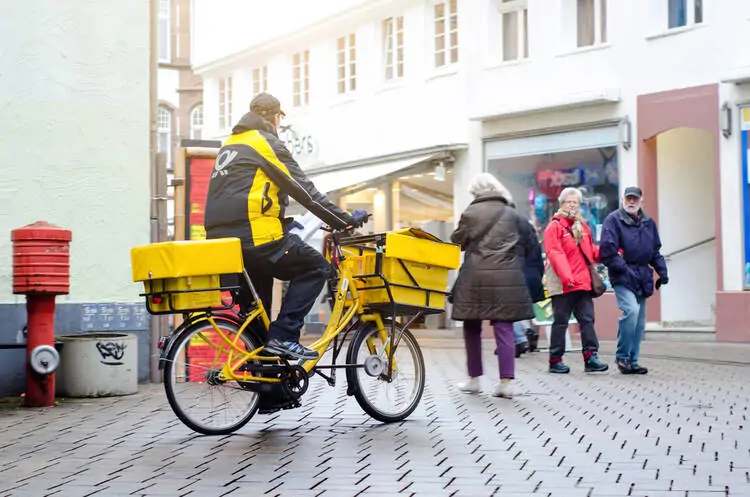
In dense urban areas, electric cargo bicycles can handle certain short-distance deliveries without requiring a van.
A business could provide last-mile deliveries for restaurants, pharmacies, retailers and online stores.
This opportunity is extremely location-dependent, so I would only consider it where traffic density, delivery volume and local infrastructure make the economics work.
28. Electric Fleet Charging Service
Commercial fleets create a different opportunity from public charging. Delivery companies, taxi businesses and other fleet operators may eventually need help selecting chargers, planning electrical capacity, scheduling vehicles and managing charging costs.
A specialist company can provide design, installation and ongoing fleet-charging management.
29. Electric Vehicle Repair and Diagnostics
As more electric vehicles age, independent repair businesses will need technicians who understand high-voltage systems, batteries, electronics and specialized diagnostics.
This is not a business to enter without training and the appropriate safety equipment.
However, building expertise early could create a strong specialist position as the number of electric vehicles outside manufacturer warranties increases.
30. Car-Sharing or Vehicle Subscription Service
The old concept of simply matching commuters who want to share rides has largely been absorbed by digital platforms.
A more interesting modern opportunity is operating a small shared vehicle fleet for apartment developments, universities, resorts, businesses or neighborhoods where customers occasionally need a car but do not necessarily want to own one.
This is a capital-intensive model, so utilization needs to be carefully tested before expanding the fleet.
Green Building, Water and Sustainable Cooling Business Ideas
31. Green Building Materials Business
Builders increasingly have access to insulation, recycled materials, low-energy lighting, water-efficient fixtures and other products designed to improve building performance.
Rather than opening a general construction-supply shop, consider becoming a specialist distributor for a carefully selected range of energy- and resource-efficient products.
32. Building Insulation Business
Insulation is not glamorous, but businesses do not need to be glamorous to make money.
Improving roofs, walls, ceilings and other parts of a building envelope can reduce the amount of energy required for heating or cooling.
Your potential customers include homeowners, landlords, commercial buildings and property developers.
33. Cool Roof Installation Business
In hot climates, roofs designed or coated to reflect more solar heat can help reduce indoor temperatures and cooling demand.
A roofing or painting contractor can specialize in reflective roof coatings and related heat-management improvements.
Schools, warehouses, factories, commercial buildings and large residential properties can be useful markets because they have substantial roof areas.
34. Rainwater Harvesting System Installation
You can install tanks, gutters, pumps, filtration equipment and distribution systems that capture rainwater for irrigation, cleaning and other appropriate uses.
The business can work particularly well in markets facing water shortages, high water costs or unreliable supply.
Local regulations and permitted uses of collected water should always be considered.
35. Water-Efficiency Retrofit Business
Hotels, apartment complexes, restaurants, schools and commercial buildings can lose significant amounts of water through old fixtures, leaking systems and inefficient operations.
Your business can conduct water audits and install efficient toilets, taps, shower fittings, meters and leak-monitoring equipment.
Like energy efficiency, water conservation becomes easier to sell when you can demonstrate potential savings on the customer’s utility bills.
36. Smart Leak Detection Business
Sensors can identify abnormal water usage before a hidden leak causes extensive damage.
You could install monitoring systems for apartment buildings, hotels, offices, warehouses and high-value homes and charge for equipment, installation and ongoing monitoring.
This is an example of a green business where the environmental benefit and financial benefit are closely aligned.
37. Sustainable Landscaping Business

A modern green landscaping business should offer more than mowing lawns.
You can specialize in drought-tolerant landscaping, native plants, efficient irrigation, compost use, erosion control and designs requiring less water and maintenance.
Property developers, hotels, offices, municipalities and homeowners can all become customers.
38. Native Plant Nursery

If sustainable landscaping grows in your area, somebody has to supply the plants.
A specialist nursery can propagate native trees, shrubs, grasses and flowers suited to local conditions.
Rather than depending entirely on walk-in retail customers, build relationships with landscapers, developers, restoration contractors and institutions that purchase plants in larger quantities.
39. Refrigerant Recovery and HVAC Servicing
Cooling equipment represents a large installed market, and poor servicing can waste electricity and allow refrigerants to escape.
A properly trained company can provide leak detection, preventive servicing, refrigerant recovery and equipment upgrades.
This area requires knowledge of the refrigerant and technician-certification rules applicable in your jurisdiction.
40. Air-Duct and HVAC Efficiency Services
Instead of marketing air-duct cleaning as automatically producing dramatic energy savings, position the business more carefully around HVAC maintenance and indoor-air-system performance.
Services can include inspection, appropriate duct cleaning, filter replacement, airflow testing and identifying damaged or leaking ductwork.
Recurring maintenance agreements with offices and commercial properties can provide a more dependable revenue stream than one-off residential jobs.
Food, Agriculture and Nature-Based Green Business Ideas
41. Commercial Composting Business

Restaurants, food processors, markets, hotels and landscaping companies produce organic waste that can potentially be diverted from disposal and converted into compost.
You can earn from collection fees and again from selling finished compost or soil products.
Before investing, check local rules governing organic-waste collection and composting sites because odor, drainage and contamination must be carefully managed.
42. Food Waste Collection Business
You do not necessarily have to operate the composting facility yourself. A smaller entrepreneur can collect separated food waste from restaurants, hotels and other commercial kitchens and transport it to approved composting or anaerobic-digestion facilities.
Route density and long-term commercial contracts are key to making the collection economics work.
43. Used Cooking Oil Collection Business
Restaurants and commercial kitchens regularly generate used cooking oil. A collection company can provide containers, pick up the oil and sell it into appropriate recycling or processing channels.
The important part is securing legitimate buyers and complying with local waste, transport and food-safety regulations.
44. Solar Irrigation Business
Farmers who depend on fuel-powered water pumps may be potential customers for solar pumping systems.
Your company can design and install solar-powered irrigation equipment and provide maintenance.
The opportunity is especially worth investigating in sunny agricultural regions where irrigation demand is high and grid electricity is expensive or unreliable.
45. Tree Nursery and Urban Tree-Planting Business
Tree planting does not have to be structured as a nonprofit organization. You can operate a:
Commercial nursery and sell planting, replacement, pruning and maintenance services to homeowners, developers, businesses and public institutions.
The maintenance contract is particularly important because newly planted trees often need ongoing care before they become established.
Green Services, Technology and Compliance Business Ideas
46. Environmental Compliance Consulting
Businesses frequently need help understanding waste handling, permits, emissions, environmental assessments and other regulatory obligations.
If you have the right professional background, you can provide audits, documentation, compliance support and environmental-management services.
This is knowledge-intensive rather than capital-intensive, making expertise your main competitive advantage.
47. Sustainability and Energy Management Software

If you are a software entrepreneur, I would not recommend building a generic app that simply teaches people to “save the planet.” There are countless informational apps competing for attention.
A stronger opportunity is software that solves a measurable business problem.
You might build tools that monitor electricity consumption, track waste collections, manage solar installations, schedule maintenance, track reusable containers or produce environmental reports for businesses.
Business software also gives you the possibility of recurring subscription revenue.
48. Waste Management Software Business
Waste companies themselves increasingly need better operational tools. Software can help schedule collection routes, track bins, record weights, manage recycling customers, monitor vehicles and generate invoices.
If you understand both software development and the operational problems faced by waste companies, this can become a highly specialized business with customers paying monthly or annual subscriptions.
49. Green Cleaning Business
A cleaning business can differentiate itself by using carefully selected products, reusable cleaning materials, efficient dosing systems and operating practices designed to reduce unnecessary chemicals and waste.
The business model becomes more attractive when you target offices, vacation rentals, schools or commercial buildings and secure recurring contracts rather than depending exclusively on occasional residential work.
50. Specialized Recycling and Waste Management Business

Lastly, you can build a business around a waste stream that ordinary municipal collection services do not handle particularly well.
Depending on local regulations and available processors, possibilities can include electronics, commercial cardboard, construction waste, batteries, tires, used oil or certain industrial materials.
Do not begin by buying expensive trucks and processing machinery. First identify the waste producer, the processor that wants the recovered material and the amount each side is prepared to pay.
Once you have those two ends of the transaction, you can design the collection business between them.