
A nursing home skills fair is an engaging and educational event designed to showcase the talents, expertise, and essential caregiving skills of nursing staff.
It provides an opportunity not only for staff to demonstrate their clinical abilities but also for residents, families, and community members to learn more about the quality of care provided.
From basic first aid demonstrations to advanced techniques in patient mobility, nutrition, and dementia care, the fair fosters both professional growth and community trust.

In this article, we are going to look at some of the best nursing home skills fair ideas that will help you create an interactive, informative, and memorable experience.
Best Nursing Home Skills Fair Ideas
-
First Aid and CPR Demonstrations
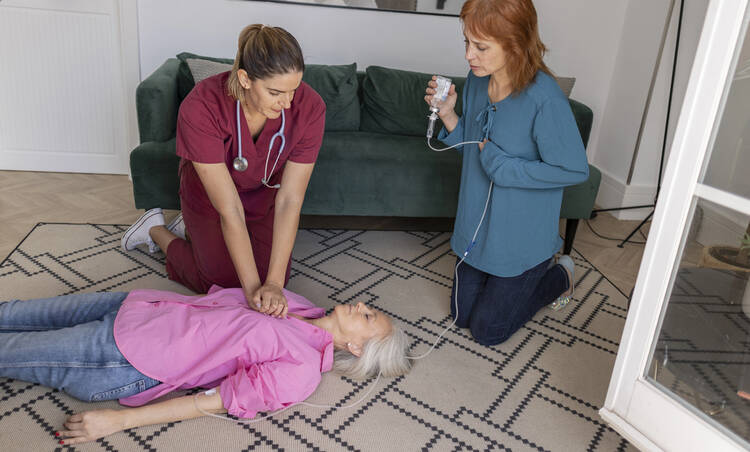
Organizing first aid and CPR stations during a nursing home skills fair is highly effective.
Staff can showcase life-saving techniques such as chest compressions, airway clearance, and wound care.
This not only refreshes employee skills but also allows families and residents to understand the importance of quick responses during emergencies.
You can invite local paramedics or certified trainers to lead the demonstrations, making the learning more interactive and professional.
Adding practice mannequins for hands-on training ensures attendees leave with practical knowledge they can apply in real-life situations.
-
Safe Patient Handling and Mobility Training
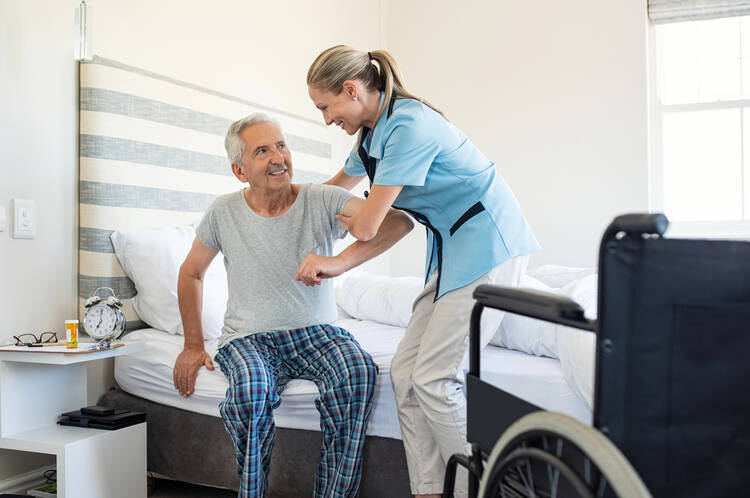
Staff can demonstrate proper lifting techniques, use of transfer belts, and operation of mobility equipment like wheelchairs or mechanical lifts.
These demonstrations emphasize preventing staff injuries while promoting resident comfort and safety.
Interactive practice sessions help caregivers refine their skills in real time. Families can also observe how staff carefully assist their loved ones, which builds trust and confidence in the facility.

Offering hands-on activities with supervision ensures participants understand safety protocols thoroughly.
-
Dementia Care and Communication Skills
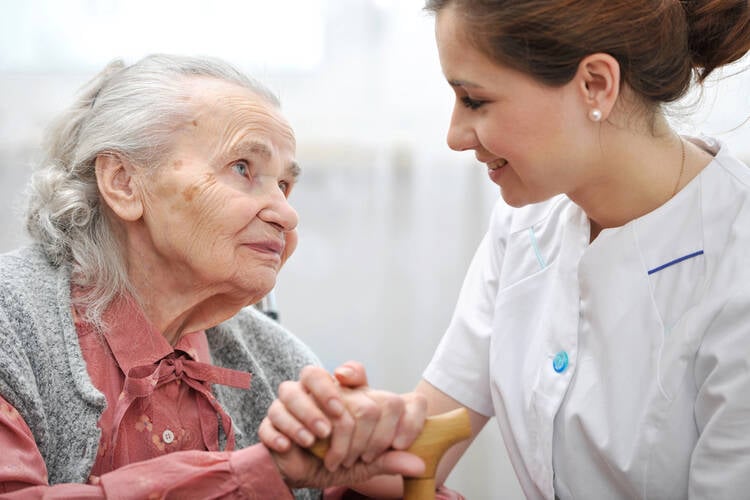
Staff can demonstrate how to communicate effectively with residents experiencing memory loss, confusion, or agitation.
Role-playing scenarios allow caregivers to show empathy, patience, and redirection techniques in real-life settings.
Families can learn strategies to better connect with loved ones at home, making this station valuable beyond the fair itself.
Including resources such as memory tools, activity kits, and training handouts enriches the experience.
-
Nutrition and Meal Preparation Education
Staff can demonstrate preparing soft diets, diabetic-friendly options, or meals for individuals with swallowing difficulties.
This allows families and visitors to see how dietary needs are carefully considered in daily operations.
Sample tastings of nutritious snacks can make the experience interactive and enjoyable.
Displaying meal plans and diet charts adds value, while nutritionists or dietitians can provide insights into maintaining balanced diets for seniors.
-
Infection Control and Hand Hygiene Station
Staff can set up a handwashing station with UV lights that reveal germs left behind, making it an eye-opening activity for participants.
Demonstrations on using personal protective equipment (PPE), cleaning protocols, and proper waste disposal can also be included.
Visitors gain an appreciation for the behind-the-scenes efforts that ensure safety within the facility.
Interactive activities, such as a “germ challenge” game, keep the learning fun while reinforcing critical practices that protect both residents and staff.
-
Fall Prevention and Safety Awareness

Staff can demonstrate how to spot hazards, such as loose rugs or poor lighting, and how to implement safety measures like grab bars or non-slip footwear.
They can also show how to properly assist residents when walking or transferring to minimize risks.
Interactive demonstrations using walkers, canes, or gait belts make the session engaging.
Families and residents benefit from learning practical ways to prevent accidents, ensuring safer environments both in the facility and at home.
-
Wound Care and Skin Integrity
Nurses can demonstrate proper wound dressing, skincare routines, and how to check for early signs of pressure ulcers.
Hands-on practice with dummy models allows caregivers to learn correct dressing application techniques.
Families gain reassurance about the facility’s high standards of resident care.
Providing informational brochures or sample skincare products enhances the station.
This activity showcases the staff’s expertise in protecting residents’ health and maintaining comfort, while educating all participants on best practices.
-
Medication Management and Safety

At this station, staff can demonstrate how prescriptions are properly labeled, stored, and administered.
They can explain the importance of dosage accuracy, timing, and monitoring side effects.
Visitors can engage in mock scenarios, such as sorting pills into medication organizers, to understand how staff stay organized and precise.

Including a pharmacist or nurse practitioner can make the station more interactive and credible.
Families leave with a stronger appreciation for the thorough systems in place to ensure residents receive the right medication at the right time.
-
Emergency Preparedness Drills
Staff can showcase how residents are safely evacuated, oxygen tanks are secured, or backup generators are used.
Demonstrations can also include how emergency kits are assembled and maintained.
Interactive activities, like a mini fire extinguisher practice or evacuation role-play, keep the session engaging.
Families and residents gain confidence knowing that the facility prioritizes safety during unexpected situations.
This station not only educates but also reassures the community of the nursing home’s readiness to handle crises effectively.
-
Resident Activity and Engagement Programs
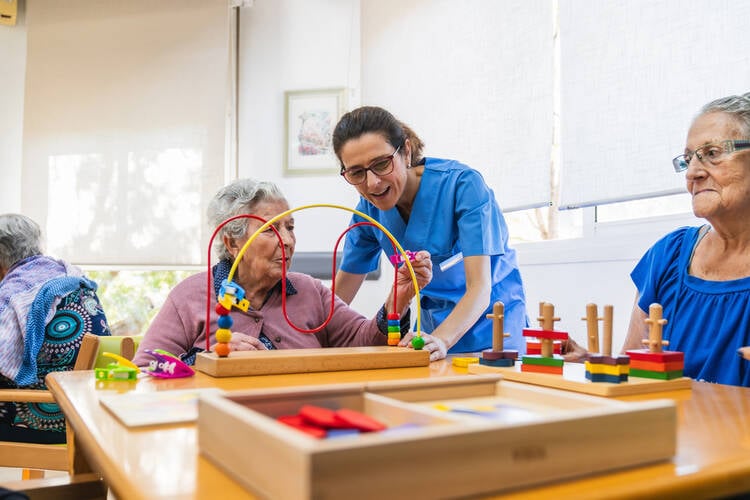
Staff can showcase popular activities like arts and crafts, music therapy, chair yoga, or memory games.
Demonstrations allow visitors to join in, giving them firsthand experience of the programs residents enjoy.
Display boards with activity calendars, photos, or videos can show the variety of offerings.
Families love seeing how their loved ones are supported socially and emotionally, while staff get to share their creativity.
-
Stress Management and Self-Care for Caregivers
Techniques such as guided breathing, short meditation exercises, or stretches can be demonstrated.
Providing information on mental health resources and self-care practices helps caregivers stay balanced and effective.
Visitors can participate in stress-relief activities like coloring, aromatherapy, or quick mindfulness breaks.
This station emphasizes the importance of caregiver well-being, reminding participants that healthy caregivers provide better care.
It also reflects the facility’s commitment to supporting both employees and families holistically.
-
Communication and Conflict Resolution Skills
Through role-playing exercises, participants can learn active listening, empathy, and de-escalation techniques.
Scenarios might include addressing misunderstandings, calming frustrations, or handling end-of-life discussions.
Trainers can also demonstrate the use of body language and tone in creating positive interactions.
Families benefit by learning how to better communicate with staff and residents, while employees gain confidence in their approach.
This type of station strengthens relationships and builds trust, improving the overall care environment.
-
Cultural Competency and Inclusion Awareness
At this station, staff can present ways they respect cultural, religious, and dietary preferences.
Demonstrations may include how meal plans are adjusted for cultural traditions or how holidays are celebrated inclusively.
Families can engage in discussions about honoring traditions while ensuring quality care.
Interactive displays with cultural items, music, or stories make the experience lively.
This idea helps strengthen the bond between residents and staff by showcasing the facility’s commitment to dignity, respect, and individualized care for everyone.
-
Technology in Senior Care
This station can showcase tools like electronic health records (EHRs), fall-detection devices, or communication tablets for residents to connect with family.
Demonstrations allow participants to see how these technologies improve efficiency, safety, and quality of life.
Families can try using video call devices or learn how remote monitoring works.
Staff can also explain how technology helps track medications and health updates.
This activity emphasizes the facility’s forward-thinking approach and reassures visitors that residents benefit from both traditional care and modern innovations.
-
Palliative and End-of-Life Care Education
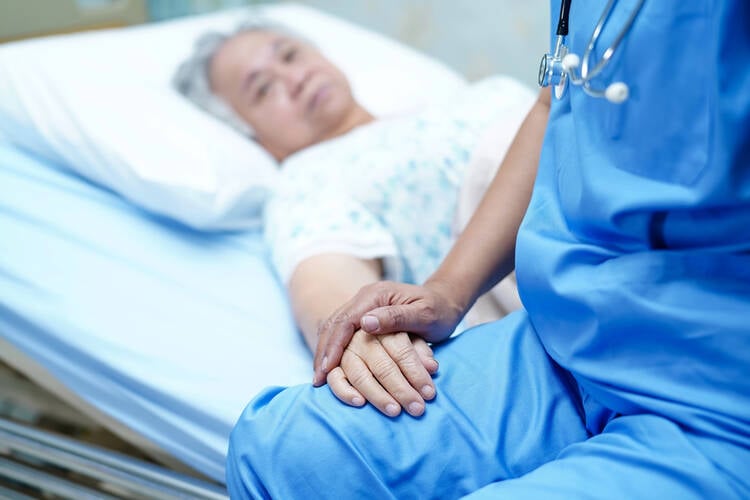
Staff can demonstrate comfort care techniques, discuss pain management, and explain how emotional and spiritual needs are addressed.
Families can learn about advance directives, hospice options, and ways to support their loved ones during this stage.
Including interactive elements, such as journaling exercises, memory-building activities, or discussions with chaplains, adds depth.
This station showcases the compassionate side of nursing care and demonstrates the facility’s commitment to upholding dignity and peace during residents’ final moments.