

If you want to start a food truck business, you should spend almost as much time choosing the right concept as you spend choosing the truck.
A food truck gives you something a conventional restaurant cannot easily offer: “Mobility.”
You can take your kitchen closer to office workers during lunch, move to a festival on the weekend, cater a private event in the evening, or build a regular route around campuses, industrial areas and residential communities.

But mobility alone will not make your business profitable. You still need a menu people want, prices that cover your food and operating costs, fast service, a recognizable brand and enough customers at each location to justify parking there.
More importantly, you should avoid trying to sell everything. A truck that serves burgers, sushi, pizza, tacos, smoothies, barbecue and cupcakes from the same tiny kitchen will usually be harder to operate efficiently than one built around a focused concept.
So, before starting a food truck business, you should identify the customers you intend to serve, where you can legally operate and what type of food can be prepared quickly and consistently inside your available kitchen space.

Are Food Truck Businesses Still Worth Starting?
Yes, but you need to approach the business differently from someone who simply buys a truck, parks on a street and hopes customers appear.
Convenience remains one of the food truck industry’s biggest advantages.
Customers increasingly expect food to be quick to order, easy to collect and suitable for eating away from a dining room. Food trucks fit naturally into that demand.
You should also think beyond ordinary street sales. A good truck can earn money from:
- Daily lunch routes
- Festivals and fairs
- Corporate catering
- Weddings and private parties
- Breweries and entertainment venues
- Farmers’ markets
- Sporting events
- College campuses
- Residential developments
- Pre-orders and pickup

The best concept for you will depend on your location. A breakfast truck may perform exceptionally well around office buildings but poorly outside a nightclub at midnight.
A dessert truck may thrive at festivals but struggle inside an industrial park during lunch.
You should therefore match the food, customer and location before investing heavily in the truck.
Breakfast, Drinks and Snack Food Truck Ideas
1. Coffee Truck Business

A coffee truck is one of the food truck ideas you should consider if you want a relatively focused menu with strong repeat-purchase potential.
You can sell espresso, cappuccino, lattes, cold brew, iced coffee, tea and a small selection of pastries. The key is location and timing.
You should target office districts, commuter areas, campuses, construction sites, hospitals and morning events where people routinely purchase drinks before starting their day.
You can also book the truck for weddings, conferences and corporate events.
2. Mobile Juice and Smoothie Truck

Fresh juice and smoothies can work particularly well around gyms, parks, beaches, universities, business districts and sporting events.
You should keep the menu manageable. Instead of stocking ingredients for thirty different drinks, develop several signature combinations and allow a few useful add-ons.
You can also sell fruit cups, yogurt parfaits and simple healthy snacks. Fresh ingredients are perishable, so careful purchasing and portion control will have a significant effect on your profitability.
3. Breakfast and Brunch Food Truck
Breakfast gives you the opportunity to generate revenue before many other food trucks have even opened.
You can serve breakfast sandwiches, breakfast burritos, pancakes, waffles, eggs, pastries, oatmeal and coffee.
You should concentrate on foods customers can receive quickly because your morning customer is often on the way to work.
Office parks, hospitals, transportation hubs, industrial areas and college campuses can make useful locations.
You can also develop weekend brunch packages for markets and private events.
4. Gourmet Popcorn Truck
Gourmet popcorn can work because the product is portable, easy to serve and lends itself to creative flavors.
You can sell caramel, cheddar, spicy, chocolate-coated and seasonal varieties.
This type of truck is better suited to festivals, fairs, sports venues, tourist areas and family events than an ordinary lunch route.
You can also package larger quantities for customers to take home. Because popcorn itself can be inexpensive compared with many prepared foods, branding and presentation are especially important.
5. Bubble Tea and Specialty Drinks Truck
A bubble tea truck can serve milk teas, fruit teas, flavored iced teas, popping boba and related drinks.
You should locate near younger customers, campuses, shopping areas, entertainment districts and community events.
Speed matters because customers may want heavily customized drinks. Create a menu that provides enough choice without making every order excessively complicated.
You can increase the average sale with pastries, Asian snacks or small desserts that pair naturally with the beverages.
6. Kombucha and Fermented Drinks Truck
If there is sufficient demand in your location, you can specialize in kombucha and other non-alcoholic specialty drinks.
Rather than making questionable health claims, you should sell the products on taste, variety and refreshment.
Consider offering several rotating flavors alongside sparkling drinks, teas and light snacks.
Farmers’ markets, fitness events, wellness-oriented communities and festivals may provide a better market than ordinary roadside locations.
Classic Street Food and Comfort Food Truck Ideas
7. BBQ Food Truck

A barbecue truck can sell smoked or grilled chicken, beef, pork, ribs, sausages and sandwiches with simple side dishes.
You should keep preparation time in mind because some barbecue items require hours of cooking.
A commissary or commercial kitchen may therefore form an important part of your operation.
You can make the truck more distinctive with signature sauces, regional barbecue styles and combination platters.
Barbecue also translates well into catering, making weddings, birthdays and corporate events useful additional revenue sources.
8. Hot Dog and Sausage Food Truck

Hot dogs are simple, familiar and fast to serve. But you should give customers a reason to choose your truck instead of an ordinary hot dog stand.
You can specialize in gourmet sausages, regional hot dogs or unusual topping combinations.
A short menu also makes service faster during festivals and busy lunch periods.
Add fries, chips and drinks rather than turning the truck into a general fast-food restaurant.
9. Gourmet Burger Food Truck
Burgers are highly competitive, so an ordinary burger with ordinary toppings may not be enough to build a recognizable brand. You should develop a focused menu around several memorable burgers.
That might include a classic cheeseburger, spicy chicken burger, mushroom burger and a plant-based option. You can also use signature sauces and distinctive toppings.
Your kitchen layout should allow you to cook quickly during peak periods because long lines become a problem if customers have to wait too long for each burger.
10. Grilled Cheese Food Truck

Grilled cheese works well because it uses familiar ingredients while allowing plenty of customization.
You can offer classic grilled cheese alongside combinations containing pulled meat, tomatoes, peppers, mushrooms or specialty cheeses.
Soup can also be added during colder months. You should pay attention to speed and consistency because the concept loses much of its advantage if sandwiches take too long to prepare.
11. Sandwich Food Truck

Sandwiches are ideal for food trucks because they are portable and can serve both lunch and dinner customers.
You can specialize in Cuban sandwiches, cheesesteaks, chicken sandwiches, meatball subs, banh mi or another distinctive style. You should avoid building a menu with dozens of unrelated sandwiches.
Choose several that share ingredients so you can reduce inventory and make preparation easier. Combos with fries and drinks can help increase the average transaction.
12. Loaded Fries Food Truck

Rather than selling plain fries alone, you can build an entire concept around loaded fries.
Possible toppings include pulled barbecue meat, cheese sauce, chili, grilled chicken, vegetables and specialty sauces.
The ingredients can often be cross-utilized across several menu items, which helps control inventory.
You should use packaging that keeps the fries as crisp as possible because poor texture can quickly ruin the product.
13. Pizza Food Truck

Pizza gives you broad customer appeal and considerable room for customization.
You can sell individual pizzas, slices or compact personal-sized pizzas depending on your oven and service model.
You should design the truck around your cooking method because a pizza operation may need specialized ovens and ventilation.
A focused menu of several signature pizzas can produce faster service than allowing unlimited combinations.
Pizza trucks can also work well for breweries, weddings and private events.
14. Mac and Cheese Food Truck
Mac and cheese can serve as a complete food truck concept when you treat it as a customizable bowl rather than merely a side dish.
You can add barbecue meat, buffalo chicken, bacon, vegetables, seafood or spicy toppings.
You should build the menu around a consistent base recipe and a limited group of add-ons. That keeps the operation simple while still giving customers variety.
International and Ethnic Food Truck Ideas
15. Taco and Mexican Food Truck

Tacos remain particularly well suited to food trucks because they can be prepared quickly, eaten without much equipment and customized with different proteins and toppings.
You can serve tacos, quesadillas, burritos and perhaps one or two sides without creating an oversized menu.
Your recipes should be distinctive enough to stop customers from viewing you as just another taco truck.
Birria, grilled fish, slow-cooked meats or regional Mexican specialties can help create that distinction.
16. Shawarma and Mediterranean Food Truck

Shawarma, falafel, hummus, rice bowls and pita wraps make Mediterranean and Middle Eastern food particularly suitable for mobile service.
You can offer meat and vegetarian options using many of the same vegetables, sauces and breads.
That helps keep the menu efficient. You should develop one or two signature sauces because a memorable sauce can become a major part of your brand.
17. Chicken and Waffles Food Truck
Chicken and waffles combines sweet and savory flavors and works particularly well for brunch, festivals and late-night service.
You can sell the traditional version alongside spicy chicken, waffle sandwiches and bite-sized combinations.
You should pay close attention to fryer capacity because chicken can slow service during a rush if the kitchen is not designed properly.
The concept also lends itself to visually attractive food that customers are likely to photograph and share.
18. Chicken Kebab and Skewer Food Truck
Chicken kebabs, beef skewers and grilled vegetables give you a simple concept that can be served as wraps, plates or rice bowls.
You should prepare ingredients in advance so orders can be assembled quickly.
The same proteins can be paired with several sauces and sides, giving customers choice without forcing you to carry dozens of ingredients.
Markets, lunch districts and evening events can all work for this type of truck.
19. Sushi Food Truck

Sushi gives you a premium food truck concept, but you need excellent food handling and temperature control.
You can concentrate on a limited number of popular rolls rather than trying to reproduce a full sushi restaurant inside the truck.
Pre-preparation needs to be balanced carefully with freshness and food-safety requirements.
You should also evaluate whether your local customer base is willing to purchase sushi from a mobile operation before investing heavily in specialized refrigeration and equipment.
20. Hawaiian Poke Bowl Truck
Poke bowls combine rice, seafood or alternative proteins, vegetables and sauces in a format that is easy to customize. You can offer several preset combinations and a build-your-own option.
You should keep cold ingredients properly controlled and design the preparation line for quick assembly.
A poke concept can appeal to lunch customers who want something lighter than conventional fast food.
21. Chinese Street Food Truck
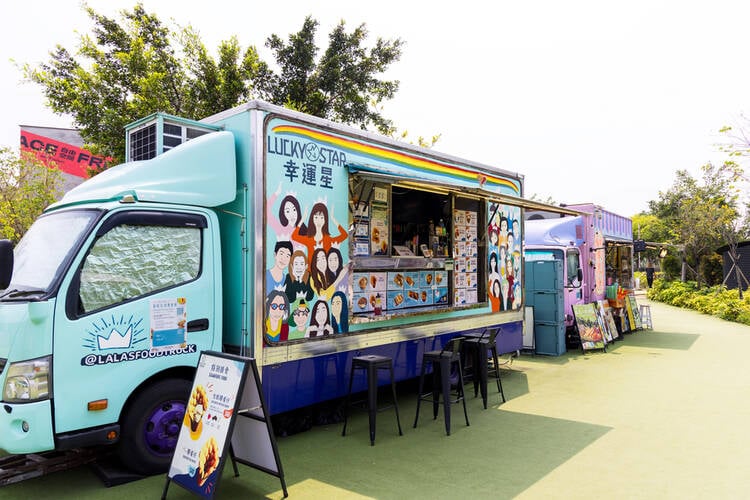
Instead of trying to reproduce a large Chinese restaurant menu, you should concentrate on a handful of dishes that work well from a truck.
Dumplings, noodles, rice bowls and bao can make a more focused concept. Choose dishes that share ingredients and can be prepared quickly.
The opportunity is not limited to customers of Chinese heritage; well-executed street food can appeal to a broad local market.
22. Korean Street Food Truck
Korean fried chicken, bulgogi bowls, Korean barbecue tacos, rice dishes and dumplings give you several strong menu directions.
You should avoid trying to offer all of them at once.
Choose a clear identity, such as Korean fried chicken or Korean barbecue bowls, and build the truck around it.
Bold sauces and distinctive flavors can help the business stand apart at food truck parks and festivals.
23. Southeast Asian Street Food Truck

Vietnamese banh mi, Thai-inspired noodles, rice bowls and other Southeast Asian street foods can translate well to mobile dining.
You should consider specializing in one cuisine rather than using “Asian” as an overly broad concept.
A Vietnamese banh mi truck, for example, is easier for customers to understand and easier for you to operate consistently than a menu mixing dishes from ten countries.
24. Indian Food Truck
Indian cuisine offers several dishes that work well in a food truck, including curries, biryani, wraps, samosas and grilled meats.
You should develop a menu that is easy for customers to understand, particularly if you are serving an area where some customers may be unfamiliar with the dishes.
Combo meals can make ordering easier. Vegetarian options can also be incorporated naturally into the menu.
25. African Food Truck
African food gives you an opportunity to introduce customers to distinctive regional cuisines.
Instead of advertising a truck simply as “African food,” you should decide what culinary identity you want to represent.
You might focus on West African jollof rice and grilled meats, Ethiopian dishes, South African street food or another regional style.
A clear concept makes your marketing stronger and helps customers know what to expect.
26. Caribbean Food Truck
Jerk chicken, rice and peas, patties, plantains, seafood and other Caribbean dishes work well in casual mobile dining.
You should develop several signature combinations rather than a huge restaurant-style menu.
Caribbean flavors can attract both customers familiar with the cuisine and diners who want something different from ordinary burgers and tacos. Festivals and music events can be especially useful locations.
27. Latin American Street Food Truck
Latin American cuisine extends far beyond tacos. You can build a truck around arepas, empanadas, Cuban sandwiches, pupusas or another regional specialty.
You should choose a concept with a strong identity rather than trying to represent every Latin American country on one menu. Specialization can make your truck easier to remember.
Health-Conscious Food Truck Ideas
28. Vegan and Plant-Based Food Truck

A plant-based truck can serve vegan burgers, wraps, grain bowls, tacos, cauliflower dishes and dairy-free desserts.
You should make flavor the primary selling point rather than expecting customers to buy solely because something is vegan.
A strong plant-based truck can attract vegans, vegetarians and customers who simply want an occasional meat-free meal.
You should also make menu labeling clear so customers can easily understand what they are ordering.
29. Fresh Salad Food Truck

A salad truck can target office workers, gym customers and customers looking for lighter lunch options.
You can offer several signature salads alongside optional proteins such as chicken, shrimp or plant-based alternatives. The challenge is ingredient management.
You should design the menu so the same vegetables and toppings appear in several dishes, reducing the amount of produce that becomes waste.
30. Grain and Protein Bowl Food Truck
Bowls are convenient for both customers and operators. You can build them around rice, quinoa or another grain and add vegetables, beans, meat, seafood or plant-based proteins. You should offer several preset bowls plus limited customization.
This format works especially well around offices, universities and fitness-oriented locations because customers can choose meals that feel substantial without relying on fried food.
31. Organic and Locally Sourced Food Truck
If customers in your area value local ingredients, you can build the truck around seasonal produce, locally sourced meat and partnerships with nearby farms.
You should not use “organic” loosely; products described that way need to comply with the relevant rules in your market.
A seasonal menu can also help you purchase ingredients when they are plentiful.
Farmers’ markets and community events are natural venues for this concept.
32. Gluten-Free Food Truck
A gluten-free truck can serve customers who actively seek suitable alternatives, but you need to take the concept seriously.
Simply removing bread from a few dishes is not enough if cross-contact occurs throughout the kitchen.
You should understand appropriate food-handling practices and be accurate about what your operation can guarantee.
Rice bowls, tacos made with suitable ingredients and other naturally gluten-free dishes can form the foundation of the menu.
33. Fitness Meal Food Truck
You can target gyms, sports complexes and office districts with meals built around clearly portioned proteins, vegetables and carbohydrates.
Rather than relying on vague claims that food is “healthy,” you should provide customers with straightforward ingredient information.
Pre-ordering can also work well because regular customers may want lunch several days each week.
A recurring route around gyms and fitness facilities can provide more dependable traffic than constantly changing locations.
Dessert and Bakery Food Truck Ideas
34. Bakery and Pastry Food Truck
A bakery truck can sell croissants, cinnamon rolls, muffins, hand pies, cookies and other portable baked goods.
You can combine pastries with coffee to serve morning customers and continue selling desserts later in the day.
You should decide which products will actually be baked on the truck and which will be prepared in an approved commercial kitchen.
The aroma and visual presentation of baked goods can become powerful marketing tools.
35. Donut Food Truck
Donuts give you a focused concept with plenty of room for premium toppings and seasonal flavors.
You can sell traditional glazed donuts, filled varieties and small made-to-order donuts.
Coffee is an obvious add-on. Because donuts are highly visual, attractive presentation can also help your social media marketing.
You should avoid creating so many flavors that production becomes inefficient or waste becomes excessive.
36. Cupcake and Mini Cake Truck
Cupcakes work well for a mobile business because they are individually portioned and easy to package.
You can sell standard flavors alongside seasonal products and premium decorated cupcakes.
The truck can also accept orders for birthdays, weddings and corporate events.
That catering element is important because relying only on spontaneous street purchases can make demand unpredictable.
37. Dessert Food Truck

A dessert truck gives you flexibility to serve cookies, brownies, cheesecake portions, churros or another tightly selected range of sweets.
You should still build the truck around a recognizable specialty. A generic truck selling every dessert imaginable will usually be harder to brand.
Evening entertainment areas, festivals and private events can be particularly suitable because dessert purchases often occur outside normal lunch periods.
38. Ice Cream Truck

Ice cream is one of the classic mobile-food businesses. You can modernize the concept with premium scoops, sundaes, ice cream sandwiches or specialty toppings rather than depending only on packaged products.
Warm-weather markets, parks, beaches, festivals and residential neighborhoods can be strong locations.
You should plan carefully for seasonality if you operate in a climate where cold-weather demand falls sharply.
39. Shaved Ice and Snow Cone Truck
Instead of treating shaved ice and snow cones as two nearly identical businesses, you can build one focused frozen-dessert truck around flavored ice.
You can offer syrups, fruit toppings, condensed milk or regional variations. This is especially suitable for hot climates, fairs, beaches and outdoor events.
Your truck can operate with a relatively simple menu, which helps speed service when a large crowd arrives.
40. Frozen Yogurt and Gelato Truck

Frozen yogurt, gelato and frozen custard appeal to customers who want a cold dessert but something different from a traditional ice cream truck.
You should choose one primary identity rather than trying to sell every type of frozen dessert.
Toppings can increase the average transaction, but your service line needs to remain efficient.
A truck positioned around events and entertainment venues may perform better than one relying solely on random street traffic.
41. Waffle and Crepe Truck
Waffles and crepes give you both sweet and savory possibilities. You can sell fruit-and-cream crepes, chocolate combinations, breakfast waffles or savory versions with chicken and cheese.
The visual preparation can attract customers at events. You should design the menu so ingredients overlap rather than carrying completely different inventories for sweet and savory customers.
Specialty Meal Food Truck Ideas
42. Seafood Food Truck

A seafood truck can sell fish sandwiches, shrimp, fish tacos, lobster rolls or fried seafood baskets.
Because seafood can be expensive and highly perishable, you should manage purchasing particularly carefully.
A short menu may be more profitable than stocking many different species.
Food safety and refrigeration are also critical, so the truck needs to be designed accordingly.
43. Rice Bowl Food Truck
Rice bowls give you a flexible business model that can be adapted to many cuisines.
You can pair rice with grilled chicken, beef, vegetables, seafood or sauces inspired by Asian, Caribbean, African or Latin American cooking. The advantage is operational simplicity.
Many ingredients can be prepared in batches and assembled quickly when customers order. This makes rice bowls particularly suitable for busy lunch service.
44. Pasta Food Truck
You can serve pasta successfully from a truck if you choose dishes that can be finished quickly.
Mac and cheese, baked pasta, fresh sauces and pasta bowls can form a compact menu.
You should avoid dishes that require lengthy preparation for each customer.
Pre-portioned ingredients and several signature sauces can keep service moving while still allowing customization.
45. Halal Street Food Truck
A halal food truck can serve rice platters, grilled chicken, kebabs, wraps and other dishes prepared according to appropriate halal requirements.
You should understand your customers’ expectations and source ingredients carefully if you intend to market the food specifically as halal.
This concept can perform well around campuses, commercial districts and diverse urban communities.
Clear certification or sourcing information can help build customer trust where applicable.
46. Late-Night Comfort Food Truck
Not every truck needs to compete for the lunch crowd. You can operate around nightlife districts, entertainment venues and late events with food specifically designed for customers looking for a substantial meal late at night.
Burgers, fries, tacos, grilled sandwiches and chicken can work well. You should first confirm local operating hours, parking rules and security considerations before building the business around nighttime service.
Event and Contract Food Truck Business Ideas
47. Food Truck Catering Business
You do not have to depend entirely on customers finding your truck on the street.
You can build a food truck primarily around catering birthdays, employee events, school functions and private parties.
The advantage is that you often know approximately how many people you are serving before you arrive.
That can make purchasing and staffing easier. You should develop catering packages with clear minimum guest counts, menu options and pricing rather than negotiating every event from zero.
48. Wedding Food Truck Business
Food trucks can serve as the main caterer at informal weddings or provide late-night food after the main reception.
You should create a wedding-specific service rather than treating the booking like an ordinary street stop.
Couples may want a customized menu, coordinated arrival time, attractive presentation and guaranteed service for a particular number of guests.
Building relationships with wedding planners and venues can produce repeat referrals.
49. Corporate Lunch Food Truck
A corporate-focused truck can establish regular stops outside office complexes, industrial parks, hospitals and business campuses. The goal is consistency.
If employees know your truck arrives every Wednesday at noon, you have a better chance of building repeat customers than if your location changes unpredictably every day.
You can also accept office pre-orders so employees spend less of their lunch break waiting in line.
Large companies may eventually hire you for staff appreciation days and corporate events.
50. Festival and Seasonal Food Truck
You can build a food truck around fairs, concerts, sports competitions, Christmas markets, summer festivals and other high-traffic events.
This model requires careful planning because a very busy weekend may be followed by several quiet days.
You should maintain an event calendar months in advance and calculate every event fee before committing.
A huge crowd does not automatically mean a profitable event if vendor fees are high, competition is heavy or customers spend most of their money elsewhere.
Which Food Truck Business Idea Should You Choose?
You should not choose your concept only because you personally enjoy the food. You should start with the customer and location.
If you want to serve office workers, your food should be fast, portable and reasonably easy to eat during a short lunch break.
If you want to work festivals, visually attractive food, snacks and drinks may perform better.
If weddings and private events are your target market, presentation, catering capacity and advance bookings become more important.
You should also consider how complicated the menu will be to execute inside the truck.
If You Have Limited Startup Capital
You should look at concepts with relatively focused equipment and inventory requirements.
Coffee, popcorn, hot dogs, drinks, shaved ice and some bakery concepts can be worth researching.
Your actual costs will still depend heavily on the vehicle, local permits and whether food preparation must take place in a commissary kitchen.
If You Have Moderate Startup Capital
You can consider tacos, burgers, sandwiches, shawarma, loaded fries, rice bowls, salads and similar concepts requiring a more complete mobile kitchen.
You should invest heavily in workflow. A badly designed kitchen can limit how many customers you serve during your busiest hour.
If You Have More Capital
You can consider equipment-intensive businesses such as pizza, barbecue, seafood or premium event-catering trucks. But you should not spend additional money simply because you have it.
A $200,000 truck serving the wrong menu in the wrong location can perform worse than a simpler truck with strong customer demand.