
Do you want to start a physical therapy business but prefer to specialize in a profitable niche?
If YES, here are 20 physical therapy business ideas and opportunities worth considering.
Physical therapy is no longer limited to opening a general clinic where patients come after an injury.

Today’s physical therapists can build businesses around sports performance, older adults, neurological rehabilitation, pelvic health, workplace injuries, home visits, telehealth and several other specialties.
That creates opportunities to build a practice around a particular type of patient instead of trying to treat everybody. Specialization can also make marketing easier.
A runner with a recurring knee injury is more likely to seek out a therapist known for treating runners than a clinic that simply advertises “physical therapy.”
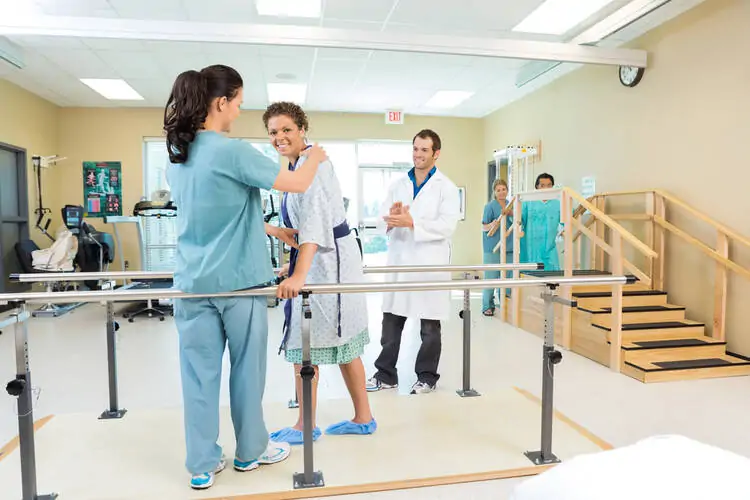
The same applies to a new mother looking for pelvic-floor rehabilitation or an older adult worried about balance and falling.
If you intend to provide clinical physical therapy services in the United States, make sure the services are delivered by appropriately licensed professionals. Licensing, business ownership, referral and scope-of-practice rules can vary by state.
If you are still researching the profession itself, you can also read our guide on how to become a physical therapist.
best Physical Therapy Business Ideas
1. General Outpatient Physical Therapy Clinic
This is the traditional physical therapy business model and remains a viable option. You can treat patients recovering from:
- Musculoskeletal injuries
- Surgery
- Joint pain
- Back and neck problems
- Mobility problems
- Sports injuries
The advantage of a general clinic is that you can serve a broad patient population.
The disadvantage is that you may face more competition because there is less to distinguish your practice from other clinics.
If this is the route you prefer, our guide to starting a physical therapy practice provides a useful starting point.
2. Cash-Pay Physical Therapy Practice
Instead of relying primarily on insurance reimbursement, you can operate a practice where patients pay you directly.
This model works particularly well when you offer something customers perceive as difficult to obtain through ordinary insurance-based care. Examples include:
- Longer one-on-one appointments
- Sports rehabilitation
- Running assessments
- Performance programs
- Pelvic health
- Specialized manual therapy
- Wellness and prevention programs
A cash-pay model can reduce some of the administrative burden associated with insurance billing, but it does not remove your legal, documentation or patient-disclosure responsibilities.
The business succeeds when patients believe the result and experience justify paying out of pocket.
3. Mobile Physical Therapy Business
You do not necessarily need an expensive clinic to start treating patients. A mobile physical therapist travels to the patient’s:
- Home
- Office
- Gym
- Assisted-living facility
- Sports facility
This can dramatically reduce your initial overhead because you may not need a large commercial lease.
It can also appeal to patients who have difficulty traveling because of age, mobility limitations, surgery or busy schedules.
Travel time can reduce the number of patients you can see in a day, so successful mobile practices normally keep their service territory relatively compact and price accordingly.
4. Sports Physical Therapy Clinic
If you enjoy working with active people, you can specialize in athletes. Your clients might include:
- Runners
- Football players
- Basketball players
- Tennis players
- Golfers
- Cyclists
- Weightlifters
Do not limit the business to professional athletes. Recreational athletes can provide a much larger customer base.
You can build referral relationships with gyms, coaches, sports clubs, schools and personal trainers.
Services can extend beyond injury rehabilitation into movement assessment, injury prevention and return-to-sport programs where these services fall within your professional scope.
5. Orthopedic and Post-Surgical Rehabilitation Clinic
Patients undergoing orthopedic surgery often require weeks or months of rehabilitation. You can build a clinic around people recovering from procedures involving:
- Knees
- Hips
- Shoulders
- Spine
- Ligaments
- Tendons
- Joint replacements
A strong relationship with orthopedic practices can become an important referral source.
However, do not build the business entirely around one surgeon or medical group.
Diversifying referral sources reduces the risk of suddenly losing a large percentage of patients.
6. Geriatric Physical Therapy Practice
Older adults can require physical therapy for far more than recovery after surgery. A geriatric-focused practice may help patients with:
- Balance
- Strength
- Walking
- Arthritis
- Joint replacements
- Mobility limitations
- Fall prevention
- Deconditioning
You can operate your own clinic or provide services at assisted-living facilities, senior communities and patients’ homes.
A fall-prevention program can be particularly valuable because preserving someone’s ability to move safely can help them remain independent for longer.
7. Pediatric Physical Therapy Center
Pediatric physical therapists work with infants, children and adolescents experiencing conditions that affect movement and development. Your practice may serve children with:
- Developmental delays
- Cerebral palsy
- Neuromuscular conditions
- Congenital conditions
- Orthopedic problems
- Sports injuries
A pediatric clinic needs to feel different from an adult rehabilitation center. Equipment, treatment spaces and exercises should be appropriate for children, and therapists need excellent communication skills when working with parents and caregivers.
8. Neurological Physical Therapy Center
Neurological rehabilitation is another strong specialization. Patients may require therapy after or because of conditions such as:
- Stroke
- Spinal cord injury
- Brain injury
- Multiple sclerosis
- Parkinson’s disease
- Cerebral palsy
- Other neurological disorders
These patients may need help improving balance, walking, transfers, strength and functional independence.
Because some patients require long-term rehabilitation, a strong neurologic program can generate continuing relationships rather than relying entirely on short episodes of care.
9. Pelvic Health Physical Therapy Clinic
Pelvic health has developed into an important specialty within physical therapy.
A properly trained pelvic-health physical therapist may work with patients experiencing conditions involving:
- Pelvic pain
- Urinary dysfunction
- Bowel dysfunction
- Pregnancy-related problems
- Postpartum recovery
- Pelvic surgery recovery
- Other pelvic-floor conditions
The market is broader than many entrepreneurs assume. Although pelvic therapy is commonly associated with women and postpartum care, pelvic-health problems can affect people of different ages and genders.
Because this is specialized clinical work, make sure therapists have appropriate education and training for the services they provide.
10. Vestibular and Balance Rehabilitation Clinic
Dizziness and balance problems can significantly interfere with everyday life.
A vestibular physical therapy practice focuses on patients experiencing problems involving balance, movement and certain causes of dizziness. You might receive referrals from:
- Primary-care physicians
- ENT specialists
- Neurologists
- Geriatric specialists
The practice can also overlap with fall-prevention services for older adults. This is an attractive example of a narrow specialization where expertise can differentiate your clinic from a general physical therapy practice.
11. Aquatic Physical Therapy Center
Water can allow some patients to exercise with less weight and stress on painful joints.
Aquatic therapy can therefore be useful in carefully selected rehabilitation programs. You do not necessarily have to construct your own swimming pool.
A smaller practice may partner with an appropriate fitness center, rehabilitation facility or other organization with suitable pool facilities.
Building your own aquatic center requires considerably more capital because of construction, maintenance, water quality, accessibility and insurance requirements.
12. Work Injury and Industrial Rehabilitation Center
Companies lose money when employees are injured and cannot return to work safely.
You can build a physical therapy practice around occupational injuries and work rehabilitation. Possible services may include:
- Work conditioning
- Functional rehabilitation
- Return-to-work programs
- Job-demand assessment
- Injury-prevention programs
Your customers and referral partners can include employers, occupational-health providers and other organizations involved in workplace injury management.
This is one of the niches where developing B2B relationships can be just as important as marketing directly to patients.
13. Corporate Ergonomics and Injury-Prevention Consulting
You do not always have to wait for people to become injured before earning money from your physical therapy expertise.
Businesses may hire a suitably qualified physical therapist to examine how employees perform physical tasks and recommend ways to reduce strain and injury risk.
Possible clients include:
- Warehouses
- Manufacturers
- Offices
- Hospitals
- Distribution centers
- Construction companies
You can charge for workplace assessments, employee education and ongoing injury-prevention programs.
This can also become an additional revenue stream for an existing physical therapy clinic.
14. Telehealth and Hybrid Physical Therapy Practice
Not every physical therapy interaction requires the patient and therapist to be in the same room.
A hybrid practice combines in-person treatment with appropriate virtual appointments. Telehealth can be particularly useful for:
- Exercise progression
- Education
- Follow-up appointments
- Home-program review
- Patients living far from the clinic
It can also expand the geographic reach of your practice where licensing and telehealth laws permit.
Do not view virtual care as a complete replacement for hands-on physical therapy.
Instead, design the business around deciding which appointments genuinely require physical presence and which can safely and legally be handled remotely.
15. Chronic Pain and Musculoskeletal Rehabilitation Practice
Back pain, neck pain and other persistent musculoskeletal problems affect a huge variety of patients.
A specialized practice can combine movement, exercise, education and other appropriate interventions to help patients improve function. The commercial advantage is that your potential market includes:
- Office workers
- Manual workers
- Older adults
- Athletes
- People recovering from previous injuries
A clinic positioned around restoring movement and activity can also distinguish itself from practices marketed only around short-term pain relief.
16. Lymphedema and Oncology Rehabilitation Practice
Cancer treatment can leave some patients dealing with weakness, reduced mobility, fatigue, balance issues, pain or lymphedema.
Physical therapists with appropriate specialty training can develop rehabilitation programs around those needs. A practice can establish referral relationships with:
- Oncology practices
- Hospitals
- Breast-care centers
- Surgeons
- Primary-care providers
This is a highly specialized clinical niche, so therapists should have the necessary skills and credentials for any advanced services being offered.
17. Cardiopulmonary Physical Therapy Practice
Some physical therapists specialize in helping people whose mobility and physical endurance are affected by cardiovascular or pulmonary conditions.
Potential patients can include people recovering from serious illness, surgery or prolonged hospitalization. Programs may focus on safely rebuilding:
- Endurance
- Strength
- Mobility
- Functional activity
Because these patients may have significant medical conditions, close coordination with physicians and other healthcare professionals can be particularly important.
18. Physical Therapy Staffing and Recruitment Agency
You can also build a business around the profession without personally treating every patient.
Hospitals, rehabilitation facilities, nursing facilities, home-health providers and private practices sometimes need temporary or permanent physical therapists and physical therapist assistants.
A specialist staffing company can recruit qualified professionals and connect them with healthcare employers.
You can earn through placement fees or staffing contracts depending on the business model.
This type of company requires a good understanding of healthcare credentialing, employment law, insurance and state requirements.
19. Physical Therapy Equipment and Supplies Business
Every physical therapy practice needs equipment and supplies. Instead of providing treatment yourself, you can sell products to clinics, hospitals, therapists and patients.
Possible products include:
- Treatment tables
- Resistance bands
- Exercise balls
- Balance equipment
- Foam rollers
- Mobility aids
- Exercise equipment
- Hot and cold therapy products
- Rehabilitation accessories
You can operate as a distributor rather than manufacturing everything yourself.
If you eventually manufacture medical or therapeutic equipment, make sure you understand the regulatory requirements that apply to the specific products.
20. Physical Therapy Continuing-Education Business
Experienced physical therapists can turn specialist knowledge into an education business. You can provide:
- Hands-on workshops
- Online courses
- Clinical seminars
- Business training
- Documentation training
- Specialty skills courses
Your target customers are other physical therapists and rehabilitation professionals who want to improve their skills or satisfy continuing-education requirements.
If you advertise courses as qualifying for professional continuing-education credit, make sure the program meets any applicable provider-approval requirements rather than simply calling an ordinary course “CE.”
Which Physical Therapy Business Is Best to Start?
There is no single best niche. Your choice should depend on your clinical expertise, local demand and how much money you can invest.
If capital is limited, a mobile or small cash-pay practice can be easier to establish than a large outpatient facility.
If you already have significant experience in a specialty such as sports, pelvic health, pediatrics or neurological rehabilitation, building your business around that expertise can give you a much clearer competitive position.
If you are not a physical therapist, businesses such as equipment supply or healthcare staffing may provide ways to participate in the industry without personally providing physical therapy treatment.